


What is Half-Batch Cooking?
Half-batch cooking is a strategic middle ground between cooking a single portion and full-scale weekly meal prep. Instead of preparing one meal from scratch every night, or cooking seven identical portions on a Sunday, you intentionally make enough for
two or three servings. The core idea is to cook once and eat twice (or thrice), but with a planned purpose for each portion. For example, a half-batch of chilli could be dinner tonight, lunch tomorrow, and the base for a loaded baked potato the day after. This approach immediately reduces daily cooking time without locking you into a monotonous menu. It is less about rigid planning and more about creating flexible meal components that can be used over the next few days.
The Benefits Over Full-Scale Meal Prep
While traditional meal prep has its merits, it can be overwhelming for a single-person household. It often requires significant upfront time, a lot of storage space, and can lead to 'flavour fatigue' by midweek. Half-batching offers a more agile alternative. It drastically cuts down on food waste, as you are less likely to have forgotten leftovers spoiling in the back of the fridge. It also allows for more variety and spontaneity. Since you are only planning a couple of days ahead, you can easily adapt to a sudden craving or a last-minute dinner invitation. This method avoids the pressure of having a fridge full of pre-portioned containers that you might not be in the mood to eat. It is about making your kitchen work for you, not the other way around.
How to Get Started
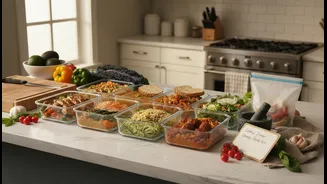
Easing into half-batch cooking is simple. Start by choosing recipes that scale down easily or that you know reheat well. Soups, stews, curries, pasta sauces, and grain dishes are perfect candidates. When you go grocery shopping, think in pairs. Instead of a large family pack of chicken, buy two breasts. Use one tonight and the other for lunch tomorrow. Invest in smaller food storage containers; having the right size helps with portion control and keeps your fridge organised. The most important step is a mental shift: start thinking of your cooking not as single meals, but as creating building blocks for future ones. That half an onion left over is not waste; it is the start of your next meal.
Mastering Component Prep
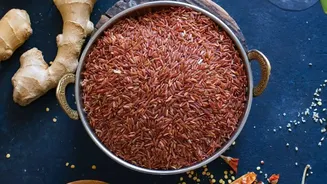
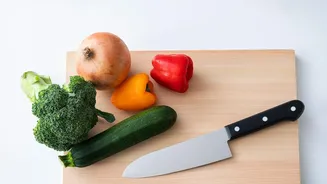
Effective half-batching is not just about cooked dishes; it's also about prepping components. This is where you can save the most time during the week. When you get home from the shops, wash all your lettuce at once. Chop a whole onion, but only use half in your recipe, storing the rest in an airtight container. Cook a larger portion of a base grain like rice or quinoa. These prepared elements can then be quickly assembled into different meals. A scoop of pre-cooked rice, some leftover roasted vegetables, and a quick-fried egg can become a satisfying meal in under ten minutes. This 'component prep' method provides the ultimate flexibility, allowing you to mix and match ingredients to create genuinely different dishes throughout the week.
A Sample Half-Batch Plan
To see it in action, consider this simple plan. On Monday night, cook a half-batch of a versatile protein, like a lentil soup or some shredded chicken. Have one portion for dinner. On Tuesday, use a portion of the leftovers for a quick and easy lunch. For dinner, you might make a small pasta dish, using some pre-chopped vegetables from your component prep. On Wednesday, you could use the last of the initial protein to top a salad for lunch. By cooking just two main 'half-batches' at the start of the week, you have created enough components for several distinct meals with minimal daily effort. The key is that each meal feels fresh and intentional, not like a tired leftover.