

The Contenders: A Tale of Two Grains
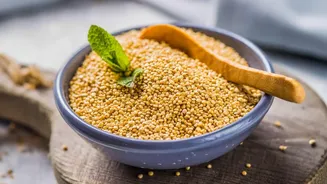
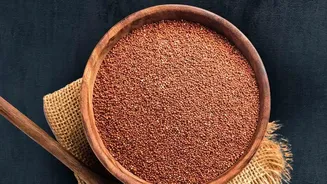
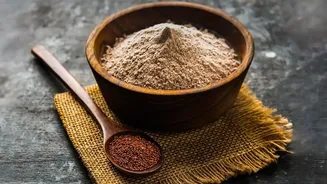
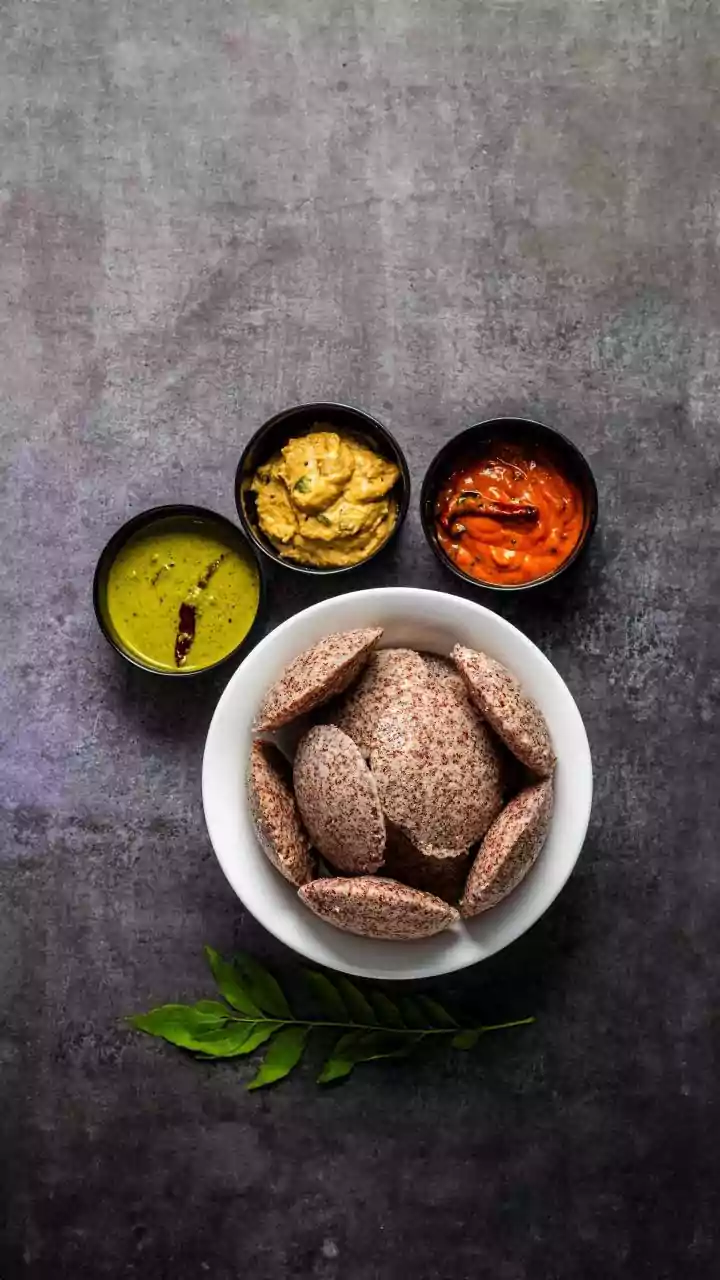
Ragi, also known as finger millet, is a humble grain that has been a cornerstone of Indian and African diets for thousands of years. Revered for its ability to thrive in harsh conditions, this reddish-brown millet has long been a source of nourishment
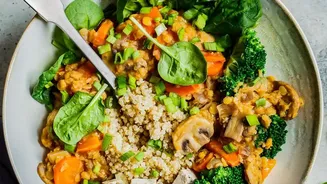
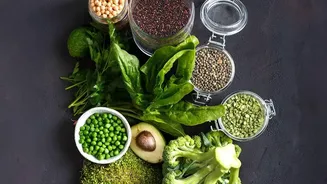
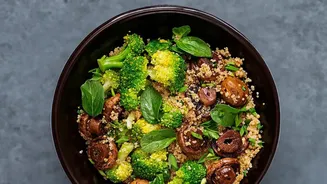
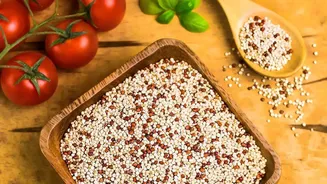
in rural households, often made into rotis, porridge, and dosas. On the other side, we have quinoa, a seed from South America that is consumed like a grain. Dubbed 'the mother of all grains' by the Incas, quinoa has surged in global popularity over the last two decades, celebrated for its unique nutritional profile and versatility.
Nutritional Showdown: A Head-to-Head Analysis
When comparing ragi and quinoa per 100 grams, a fascinating picture emerges. Quinoa is the clear winner on protein, offering about 13-14g and containing all nine essential amino acids, making it a 'complete protein'. Ragi contains a respectable 7-10g of protein but is not a complete source. However, ragi dominates in one crucial area: calcium. It provides a massive 344-364 mg of calcium, which is nearly twenty times more than quinoa. This makes it a powerhouse for bone health. Ragi also offers more dietary fibre, which aids digestion and promotes satiety. While both are good sources of iron, some data suggests quinoa has a slight edge. Their calorie counts are very similar, making them both suitable for energy.
Health Benefits: Blood Sugar, Bones, and Weight
Both grains are excellent choices for managing blood sugar due to their low glycemic index (GI), which means they release sugar into the bloodstream slowly. Quinoa's GI is around 53, while ragi's is similar, often cited between 46 and 54. This makes them ideal for people with diabetes. For weight management, the high fibre in both grains helps you feel full for longer, reducing the urge to snack. Quinoa's high protein content also helps control appetite. But ragi's standout benefit, particularly for Indian diets, is its incredible calcium content, which is vital for preventing osteoporosis and strengthening bones.
The Kitchen Test: Versatility in Indian Cooking
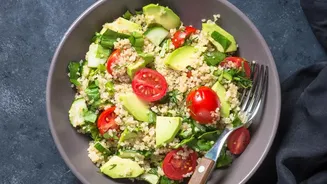
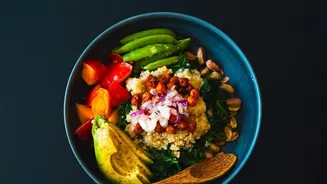
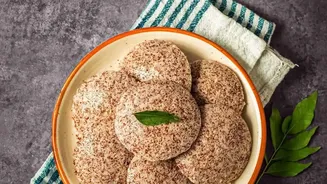
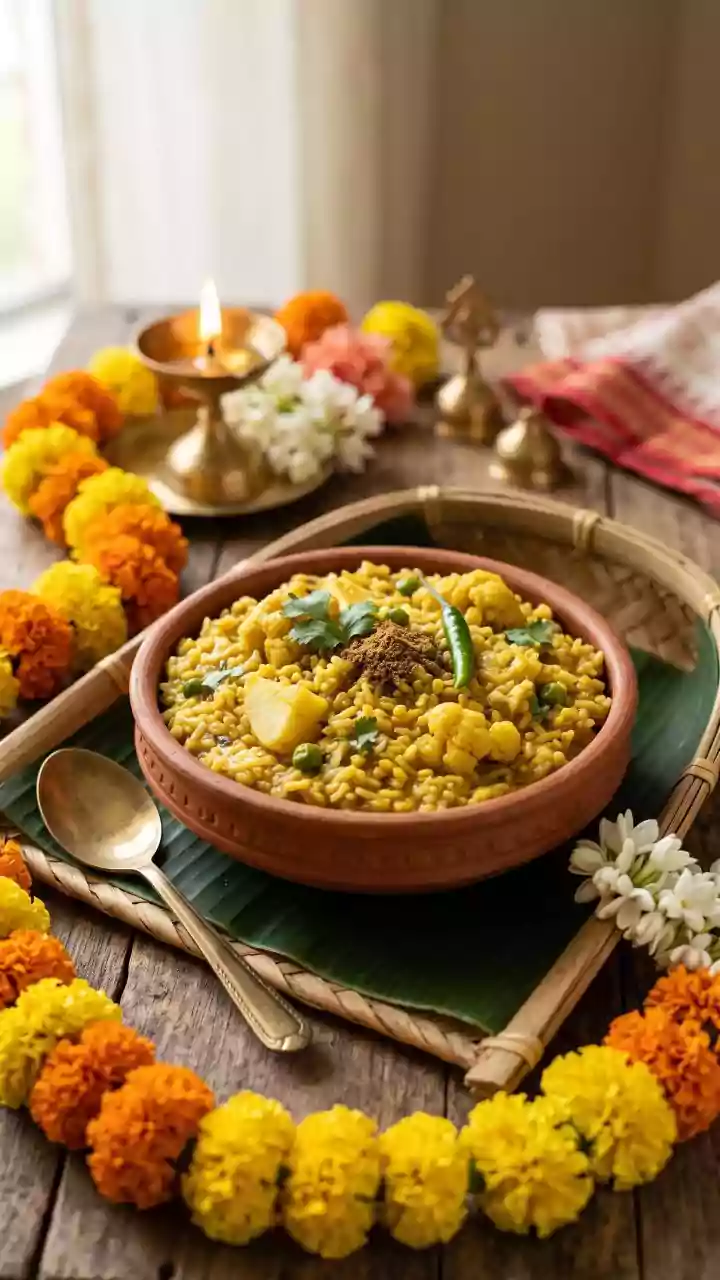
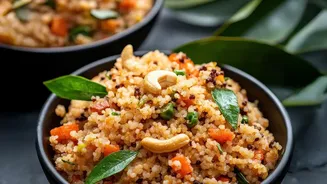
Here, ragi feels right at home. It has been used for generations in Indian cuisine to make ragi mudde, ragi dosa, and porridge (kanji). Its flour blends easily into traditional recipes. Quinoa is also versatile and can be used as a substitute for rice in pulao or as a base for salads. Some innovative cooks are now blending the two, creating dishes like ragi-quinoa dosas and rotis. However, for everyday, seamless integration into Indian meals without learning new recipes, ragi has a distinct advantage.
The Price Tag: Local Hero vs. Imported Star
This is where the comparison becomes stark. Ragi, being a locally grown millet, is significantly more affordable. A kilogram of ragi flour typically costs between ₹60 and ₹100. In contrast, quinoa is largely imported, and its price can range from ₹350 to ₹600 per kilogram, sometimes even more. For a family consuming grains daily, this cost difference is substantial. Choosing ragi not only benefits your wallet but also supports local farmers and sustainable agriculture, as millets are drought-resistant crops.