





The Annual Monsoon Shutdown
It’s a familiar pattern for wildlife enthusiasts across India. As the monsoon clouds gather, the core areas of most major national parks and tiger reserves—including iconic destinations like Jim Corbett, Ranthambore, Kanha, and Kaziranga—close for tourists.
This closure typically lasts from early July until the end of September, although some parks may shut as early as mid-June and reopen in October or November. This isn't an arbitrary decision but a crucial, coordinated effort based on guidelines from bodies like the National Tiger Conservation Authority (NTCA). The reasons are rooted in a deep understanding of forest ecology, animal behaviour, and public safety, ensuring the long-term health of these precious ecosystems.
Safety on Slippery Slopes
The most immediate reason for the shutdown is safety. The monsoon brings torrential rains that transform the unpaved mud tracks inside the parks into impassable slush and streams. Safari vehicles risk getting stuck, and the terrain becomes treacherous and slippery, increasing the danger of accidents. Swollen rivers can flood pathways, and in hilly areas, the risk of landslides becomes a serious concern for both visitors and forest staff. Closing the parks during this period is a practical measure to prevent any mishaps in remote areas where weather conditions can change rapidly and access for rescue operations is limited. Park authorities also use this downtime to carry out essential maintenance work, repairing trails and upgrading infrastructure to prepare for the busy post-monsoon tourist season.
Nature's Nursery
Beyond safety, the monsoon is a vital time for the animals themselves. For a vast array of species, this is the primary breeding and nesting season. From tigers and leopards to deer and birds, the forest turns into a giant nursery. The lush new vegetation provides excellent cover for raising young, and a surge in the insect population offers an abundant food source. The presence of safari vehicles and tourists can cause significant stress, disrupting mating rituals and endangering newborns. By closing the core zones, the parks provide a peaceful, disturbance-free environment, allowing animals to follow their natural life cycles. This ensures the next generation gets a healthy start, which is fundamental for conservation.
A Time for Rejuvenation
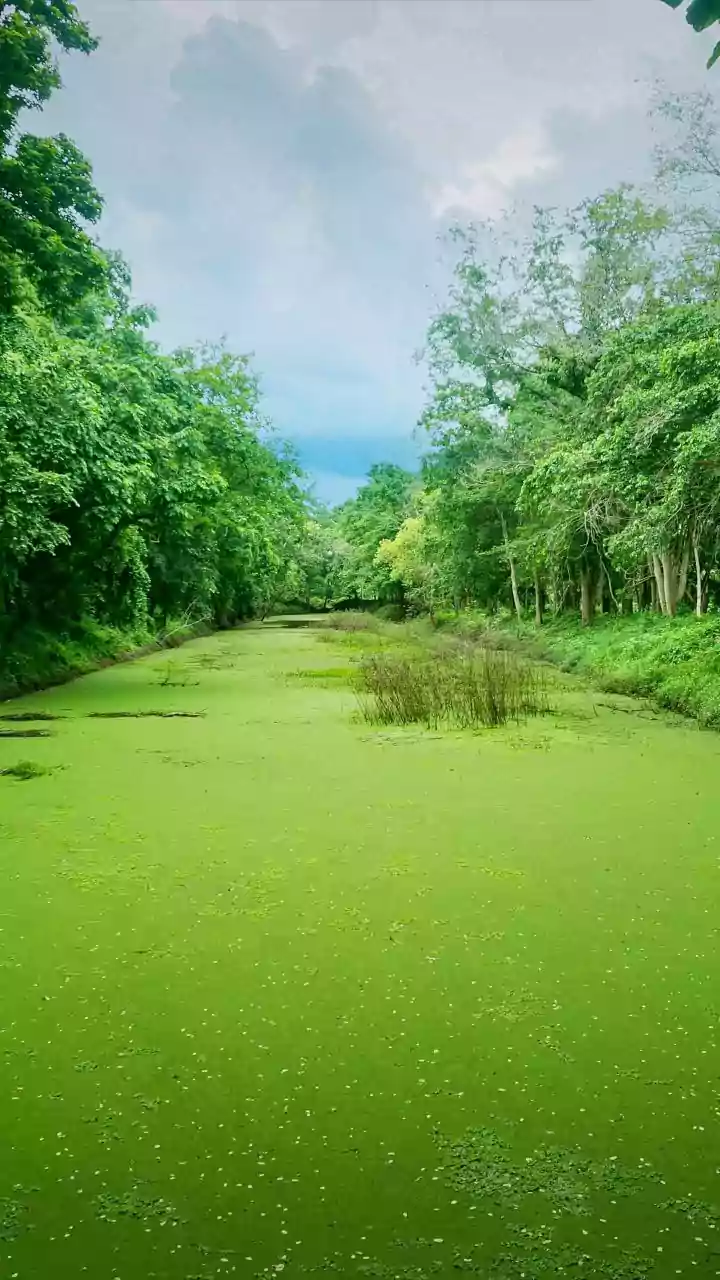
The annual closure is also a period of profound rejuvenation for the entire ecosystem. The relentless pressure of tourism, including vehicle movement and foot traffic, takes a toll on the forest floor. The monsoon break allows the land to heal. The rains replenish depleted waterholes, ensuring a steady water supply for the months ahead. The flora bursts back to life, with fresh foliage, blooming flowers, and a vibrant green canopy transforming the landscape. This period of rest helps maintain the delicate balance of the habitat, ensuring it remains healthy and resilient for the wildlife that depends on it and the visitors who cherish it.
Not All Gates Are Locked
A full closure isn't always the case. Many tiger reserves are divided into a 'core' area and a 'buffer' zone. The core is the strictly protected heart of the forest, which is what typically closes. The buffer zone, an area with fewer restrictions that surrounds the core, often remains open for tourism. Parks like Jim Corbett, Ranthambore, Tadoba, and Bandhavgarh allow safaris in their buffer zones throughout the monsoon. While tiger sightings might be less predictable due to the dense foliage, the experience is unique—fewer crowds, incredibly lush landscapes, and a more serene atmosphere. Animals, after all, do not recognise these man-made boundaries and move freely between the zones.
Monsoon Wildlife Alternatives
If your heart is set on a monsoon wildlife trip, you still have excellent options. Some national parks, especially in southern India, remain open year-round, weather permitting. Periyar National Park in Kerala, known for its elephants and boat safaris, is a fantastic monsoon destination. Similarly, parks in Karnataka like Nagarhole and Bandipur often continue to welcome visitors. Beyond the major parks, certain sanctuaries thrive in the rains. The Valley of Flowers National Park in Uttarakhand, for example, is in its full, spectacular bloom during this season. These alternatives offer a chance to witness the magic of India's wilderness in its most vibrant and life-affirming state.