







For a few chaotic hours, America’s skies fell silent. A nationwide flight halt left thousands of travelers stranded and the aviation system in gridlock, sparking an urgent debate: was this a simple glitch or a sign of a deeper network failure?
An Unprecedented Shutdown
On what
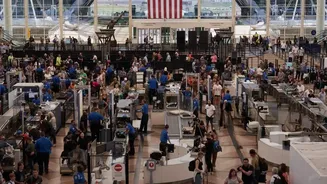
began as a normal day for travel, the Federal Aviation Administration (FAA) took the rare and drastic step of ordering a nationwide ground stop. For several hours, no domestic flights were permitted to depart, a measure unseen on this scale since the events of September 11, 2001. The order touched off a cascade of disruptions, with more than 18,000 flights canceled or delayed over the subsequent days, affecting an estimated three million travelers. Airports became seas of frustrated passengers as airlines grappled with the logistical nightmare of grounded planes and crews, a ripple effect that took days to untangle. Flights already in the air were allowed to land, but the shutdown of the departure system created a bottleneck that brought the world's busiest airspace to a standstill.
The Obscure System That Failed
The culprit behind the chaos was the failure of a little-known but essential system called Notice to Air Missions, or NOTAM. Before every single flight, pilots are legally required to review these notices, which contain real-time, critical information about hazards like closed runways, equipment outages, or airspace restrictions. Without access to the NOTAM system, pilots cannot legally or safely take off. The system itself has been described by insiders as antiquated, with some government sources noting it is over 30 years old. Its failure meant that this vital firehose of safety information was suddenly turned off, leaving the FAA with no choice but to ground all traffic out of an abundance of caution.
A 'Damaged File' or a Deeper Flaw?
The official explanation from the FAA initially pointed to a 'damaged database file' as the root cause, later clarifying that contract personnel had unintentionally deleted files during maintenance. Officials were quick to state there was no evidence of a cyberattack. However, this explanation has fueled a wider debate among infrastructure and aviation experts. The conversation now centers on whether a single damaged file should be capable of bringing down the entire national airspace. Critics argue the incident highlights a severe lack of resilience and redundancy in the system. The failure wasn't just about one file, they contend, but about a fragile, decades-old network architecture that lacks the safeguards of modern IT infrastructure.
A predictable crisis?
Many in the aviation industry see the shutdown not as a surprise, but as a 'predictable crisis.' For years, there have been warnings about the FAA's aging technology and the slow pace of modernization efforts. The Transportation Secretary pointed to old equipment and overloaded systems as a contributing factor, acknowledging the need for significant upgrades from copper wire to fiber optics. The debate has become political, with some lawmakers blaming a failure to properly maintain and operate the air traffic control system, while administration officials point to a lack of congressional funding for necessary overhauls. This incident has laid bare the consequences of deferred maintenance on critical national infrastructure.
The Path Forward
In the immediate aftermath, the FAA implemented fixes to prevent a single file corruption from cascading to backup systems. But the long-term questions remain. The ground stop has served as a powerful wake-up call, intensifying calls for Congress and the FAA to accelerate the modernization of the entire air traffic system, a project known as NextGen. Experts and lawmakers agree that simply patching the old system is not enough; a fundamental overhaul is needed to build a more resilient and robust network capable of handling the demands of modern aviation and preventing a repeat of the nationwide chaos.