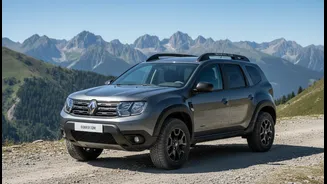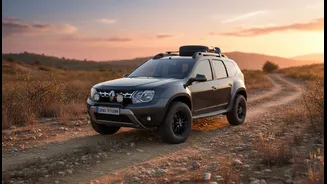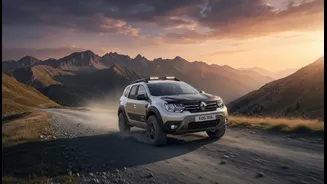





The Undisputed Original
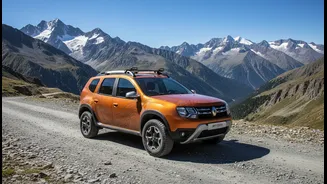
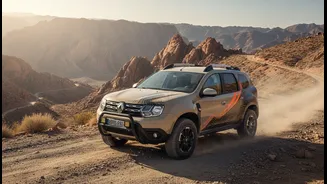
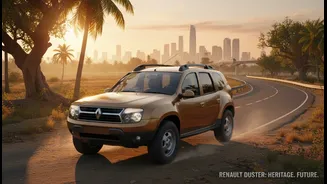
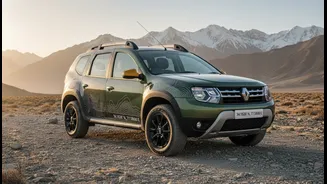
For years, the Renault Duster carved a unique space in the Indian automotive landscape. It was the tough, capable SUV that prioritised function over frills. With its robust build, comfortable ride over broken roads, and a diesel engine that was both powerful
and reliable, it became the default choice for those who wanted a true SUV experience without breaking the bank. Its interior was spartan, its features were basic, and that was precisely the point. The Duster’s charm was its authenticity; it was a tool, a trusted companion for adventure, not a delicate status symbol. This old-school image fostered a loyal community that valued its substance above all else.
Letting the Sunshine In
The single most symbolic departure from the Duster's past is the inclusion of an electric panoramic sunroof. This feature, once the exclusive domain of premium sedans and upmarket rivals, fundamentally alters the Duster's character. It’s a clear signal that Renault is no longer content with just being the practical choice. The addition of a massive glass roof is a deliberate move towards lifestyle and comfort, making the cabin feel more airy and spacious. For a model known for its enclosed, bunker-like sense of security, this is a dramatic shift designed to appeal to the modern Indian SUV buyer, for whom a sunroof is often a non-negotiable feature.
A Digital Heartbeat
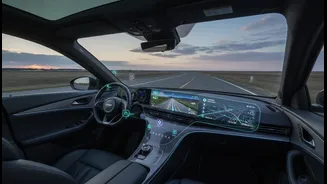
Complementing the open-air feel is a complete overhaul of the Duster’s technological offerings. The old, basic stereo system has been replaced by a sophisticated digital cockpit. At the centre is a large 10.1-inch floating touchscreen with Google built-in, offering native maps and voice assistant capabilities. This is paired with a fully digital 10.25-inch driver's display, replacing the old analogue dials. This “dual openR screen” setup puts the new Duster on par with, or even ahead of, many competitors. Connected car tech, integrated through the My Renault app, along with features like a 360-degree camera and wireless charging, transform the Duster from a purely mechanical machine into a smart, connected device.
Still Tough Underneath?
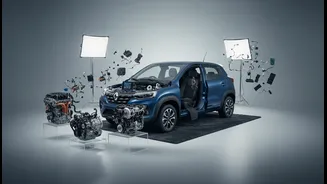
While the premium features grab headlines, Renault has built the new Duster on the advanced CMF-B platform, which is engineered to be more rigid and safer, with a target of a 5-star safety rating. The iconic ride quality and ruggedness are not forgotten, with a high ground clearance of 212 mm. The new model ditches the famed diesel but introduces powerful turbo-petrol engines, including a 1.3-litre unit making it one of the most powerful in its class, and a strong hybrid option set for a later launch. These changes suggest that while the Duster is getting a sophisticated makeover, it aims to retain the robust engineering that defined its predecessors.
A Necessary Evolution for a Crowded Market
This transformation was not just an option; it was a necessity. Since the Duster was discontinued in 2022, the Indian mid-size SUV market has become fiercely competitive. Rivals like the Hyundai Creta, Kia Seltos, and Maruti Suzuki Grand Vitara have set the benchmark with feature-rich cabins, multiple powertrain options, and modern designs. For the Duster to make a successful comeback, it had to evolve. By adding features like ventilated seats, Level-2 ADAS, and a powered tailgate, Renault is directly addressing the reasons buyers might have overlooked the previous model. The new Duster is no longer just competing on ruggedness; it is now fighting for the tech-savvy, comfort-seeking urban buyer.