


What Exactly Is a Dirty Matcha?
At its core, a dirty matcha is a simple yet inspired creation: a standard matcha latte that has been “dirtied” with a shot of espresso. The term follows a familiar coffee shop convention, much like a dirty chai, where adding espresso to a tea-based drink
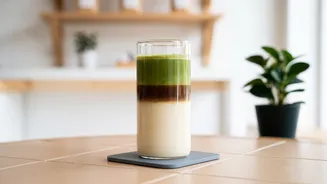
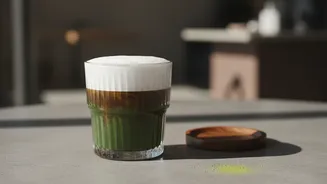
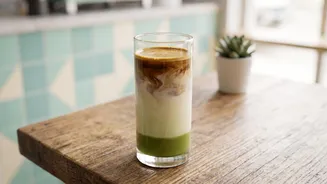
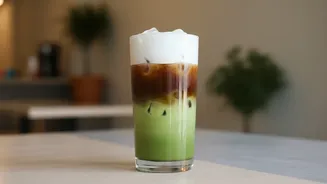
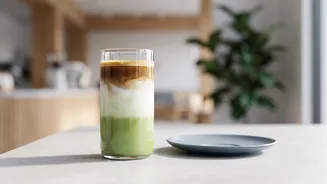
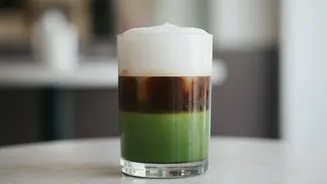
gives it a new name and a bolder character. Typically served iced to showcase its distinct layers, the drink features a vibrant green matcha base, a creamy middle layer of milk, and a dark, rich shot of espresso poured over the top, which slowly bleeds down through the other ingredients. This visual separation of colours—green, white, and brown—is not only a key part of its appeal but also a clue to its complex flavour profile. Some baristas even call it a “camo latte” because of the swirling camouflage-like pattern it creates.
A Symphony of Contrasting Flavors
The magic of the dirty matcha lies in the harmony of its seemingly disparate components. The experience starts with the earthy, slightly grassy, and subtly sweet notes of the matcha powder, which provides a smooth, vegetal foundation. This is immediately followed by the bold, roasted intensity of the espresso, which cuts through with its characteristic bitterness and robust aroma. Acting as the bridge between these two powerful flavours is the milk, which adds a creamy texture and a touch of sweetness that mellows the intensity of both the tea and the coffee. The result is a drink that is simultaneously earthy, bitter, roasted, and creamy—a layered experience where each sip offers a slightly different balance of its core ingredients.
Deconstructing the Perfect Layers
The quality of a dirty matcha heavily depends on the quality of its individual parts. For the best flavour, ceremonial-grade matcha is recommended. Its finer texture and more delicate, umami-rich taste stand up better to the boldness of coffee than a lower-grade, more bitter culinary matcha would. The choice of coffee is equally important; a freshly pulled shot of espresso provides the necessary intensity, but a strong-brewed coffee can also work. The milk—be it whole, oat, or almond—plays a crucial role in balancing the drink. Whole milk offers a classic creaminess that can cut bitterness, while plant-based alternatives like oat milk can add their own subtle sweetness and texture. Some recipes also suggest a touch of sweetener, like maple or vanilla syrup, to further enhance the flavour fusion.
The Art of a Well-Poured Drink
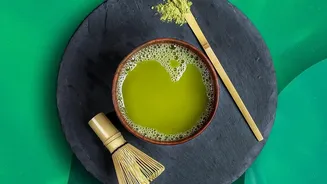
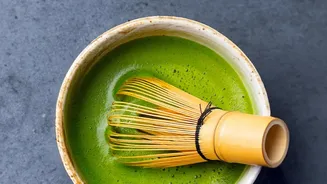
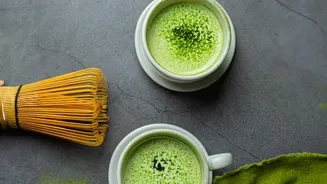
Much of the dirty matcha’s popularity, especially on social media, comes from its striking appearance. Achieving the signature layered look is a matter of technique and understanding liquid density. The process typically begins by preparing the matcha, whisking the powder with a small amount of hot water until smooth and frothy. In a tall glass filled with ice, the milk is poured in first. Then, the prepared matcha is gently added, followed by slowly pouring the espresso shot over the top, often over the back of a spoon to soften its entry. This careful layering allows the three components to remain semi-distinct, creating the beautiful gradient that has made the drink so photogenic. Of course, before drinking, a quick stir combines everything into a unified, delicious blend.
More Than Just a Passing Trend
While the exact origin of the dirty matcha is a bit hazy—with some tracing it to independent cafes in Japan or the US West Coast and others to its popularisation by Starbucks in Asia—its staying power is clear. The drink caters perfectly to the indecisive consumer while also appealing to the adventurous one. It also offers a unique caffeine experience; the L-theanine in matcha is known for promoting a sense of calm focus, which can help smooth out the sharper, more jittery buzz from an espresso shot, resulting in a more balanced energy boost. It represents a fusion of Eastern tea tradition and Western coffee culture, creating something that is both novel and comfortingly familiar.