




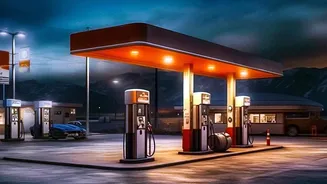

What is E20 and Why Is It Here?
E20 is a fuel blend containing 20% ethanol and 80% petrol. The Indian government has pushed for its nationwide adoption primarily to reduce the country's heavy reliance on imported crude oil, which can save billions in foreign exchange annually. Other
major goals include lowering vehicle emissions and supporting the agricultural sector by creating a new market for crops like sugarcane and maize, from which ethanol is produced. This transition is part of the Ethanol Blended Petrol (EBP) Programme, which has advanced its target for a full E20 rollout to 2025, years ahead of the original schedule. For motorists, this means E20 is no longer an option but the standard petrol available at pumps.
The Science Behind the Mileage Drop
The core reason for the drop in fuel efficiency lies in basic chemistry. Ethanol has a lower energy density than petrol, meaning a litre of ethanol contains less energy than a litre of pure petrol. When you have 20% of your fuel consisting of this lower-energy component, your vehicle's engine needs to burn slightly more fuel to produce the same amount of power. This inevitably leads to a decrease in mileage. The government has acknowledged this trade-off, officially stating that a drop of 3-5% can be expected in some vehicles. This figure is backed by extensive testing from bodies like the Automotive Research Association of India (ARAI) and the Society of Indian Automobile Manufacturers (SIAM).
Which Vehicles Are Most Affected?
The impact of E20 is not uniform across all vehicles. Modern cars and two-wheelers manufactured since April 2023 are generally E20-compliant, meaning their engines and fuel systems are specifically designed to handle this blend without issues. The concern primarily lies with "legacy" or older vehicles, typically those made before 2023 and not certified for E20 compatibility. While the government asserts that extensive testing showed no widespread engine damage on these older models, the mileage reduction is a known side effect. To find out if your vehicle is compliant, the best steps are to check for a sticker on the fuel filler cap, consult the owner's manual, or contact an authorised service centre.
Beyond Mileage: Other Potential Concerns
While the government has assured the public that there is no evidence of widespread engine damage from E20, some concerns for non-compliant vehicles persist. Ethanol is hygroscopic, meaning it can attract and absorb moisture from the air. In older fuel systems not designed for it, this property could potentially accelerate the corrosion of metal components and the degradation of certain rubber and plastic parts like hoses and seals over the long term. Another issue highlighted by experts is the risk of 'phase separation,' where water contamination in storage tanks can cause the ethanol to separate from the petrol, leading to a water-rich mixture being drawn into the engine and causing performance problems.
What Should Owners of Older Vehicles Do?
If you own a pre-2023 vehicle that is not certified for E20, your options are limited, as E10 petrol is no longer widely available. The first step is to confirm your vehicle's status. If it is not compliant, the practical advice is to be prepared for the slight drop in fuel economy. Experts also recommend being more diligent with vehicle maintenance. This includes regular inspections of the fuel system, including fuel lines, filters, and pumps, to catch any potential degradation early. While the government and manufacturers state that E20 does not void warranties, being proactive about servicing is a wise precaution for owners of older cars and bikes.