



The So-Called 'Health Halo'
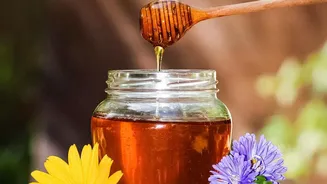
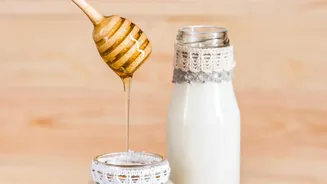
For thousands of years, cultures around the world have used honey not just as a sweetener, but as a traditional remedy. This historical use gives it a powerful 'health halo', making it seem inherently better than processed white sugar. When you drizzle
golden honey over your morning yoghurt or into your tea, it feels more wholesome than scooping from a sugar bowl. This perception is rooted in its natural origin. Unlike table sugar, which is highly processed, honey is made by bees from the nectar of flowers, a process that feels pure and untouched. This image, combined with its use in folk medicine for everything from coughs to wounds, has cemented its reputation as a superior choice for the health-conscious consumer.
Beyond Sweetness: The Bioactive Bonus
The claims about honey's benefits are not entirely unfounded. Honey contains a variety of bioactive compounds that table sugar lacks. These include antioxidants like flavonoids and phenolic acids, which help protect the body from cell damage caused by free radicals. The specific types and amounts of these compounds depend on the floral source, with darker honeys like buckwheat generally boasting a higher antioxidant content. In addition to antioxidants, honey contains trace amounts of vitamins, minerals like potassium and zinc, amino acids, and enzymes. Some studies have even highlighted its antibacterial and anti-inflammatory properties, which is why it has been used for wound care. These elements are what separate honey from empty-calorie sweeteners, giving it a slight nutritional edge.
The Unavoidable Truth: A Spoonful of Sugar
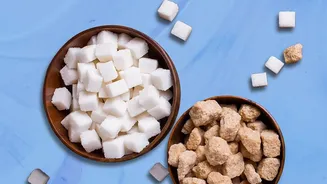
Despite these beneficial compounds, we cannot ignore the main components of honey: sugar and water. Honey is typically about 80% sugar, primarily a mix of fructose and glucose. A single tablespoon of honey contains around 64 calories, which is slightly more than the 45-50 calories in a tablespoon of table sugar. Although honey is sweeter, meaning you might use less, overconsumption carries the same risks as any other added sugar: weight gain, increased risk of type 2 diabetes, and dental cavities. While honey has a slightly lower glycemic index (GI) than table sugar — meaning it raises blood sugar levels a bit more slowly — the difference is not significant enough to make it a 'free food' for those monitoring their blood sugar. At the end of the day, your body metabolises the sugar in honey much like it does other sugars.
Raw vs. Processed: Does It Make a Difference?
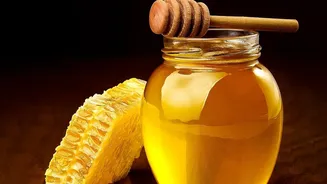
The type of honey you choose matters. Most commercial honey is processed, meaning it is pasteurised (heated) and filtered. This creates a clear, smooth liquid with a long shelf life but can destroy or remove some of the beneficial components. Pasteurisation can deactivate the natural enzymes and reduce the antioxidant content. Raw honey, on the other hand, is minimally processed. It is often only strained to remove large debris like beeswax, leaving most of its natural enzymes, pollen, and antioxidants intact. For this reason, if you are choosing honey for its potential health perks, raw, less-processed varieties are generally considered a better option. However, raw honey is not recommended for infants under one year old due to the risk of infant botulism.
The Verdict: A 'Less Bad' Sweetener, Not a Health Food
So, where does that leave us? It is best to view honey not as a health food, but as a 'less bad' alternative to refined sugar. Its small amounts of antioxidants and other compounds give it a slight advantage, but they do not negate its high sugar content. The minute quantities of vitamins and minerals are not enough to contribute significantly to your daily needs. The key to incorporating honey into a healthy diet is moderation. Treat it as you would any other added sugar, using it sparingly to add flavour. Enjoy its unique taste in your tea or as a glaze, but do not rely on it for a significant nutritional boost. A balanced perspective is crucial: appreciate the small benefits honey offers over sugar, but remember that the healthiest choice is always to reduce your overall intake of all sweeteners.