







What Exactly Is El Niño?
El Niño, which means 'the little boy' in Spanish, is one phase of a larger phenomenon called the El Niño-Southern Oscillation (ENSO). It is a naturally occurring climate pattern characterized by the unusual warming of surface waters in the central and
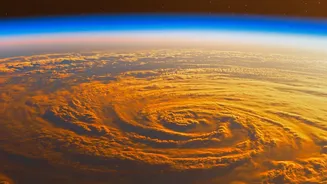
eastern tropical Pacific Ocean. This warming happens every two to seven years and can last for nine to 12 months. Normally, trade winds blow from east to west, pushing warm water towards Asia. During an El Niño, these winds weaken or even reverse, causing the warm water to spread eastward, which alters atmospheric circulation and weather patterns across the globe.
The Ominous 2026 Forecast
International climate agencies are in strong agreement: the El Niño that began developing in mid-2026 is on track to become a significantly strong event. The World Meteorological Organization (WMO) reported in late July 2026 that the event was steadily intensifying and expected to dominate global climate patterns through the latter half of the year. Forecasts suggest sea surface temperature anomalies could exceed 2 degrees Celsius above normal, a benchmark for a 'strong' or even 'super' El Niño. Some projections indicate this event could become one of the strongest on record, potentially persisting into early 2027.
The Critical Monsoon Connection
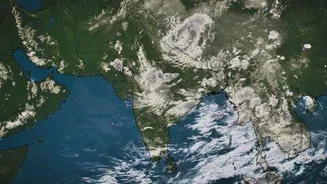
For India, an El Niño event is a major cause for concern due to its historical link with the southwest monsoon. El Niño conditions tend to suppress monsoon rainfall, leading to drier-than-normal conditions across the subcontinent. While not every El Niño results in a drought, a strong event significantly increases the probability of a weak monsoon. This is a critical issue for a country that receives about 70% of its annual rainfall during the monsoon season. With a weak start to the monsoon already observed in June and July 2026, the strengthening El Niño adds to worries about the remainder of the season.
Impact on Agriculture and Food Prices
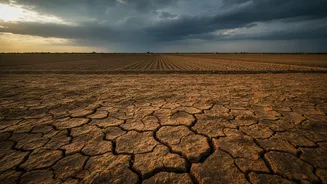
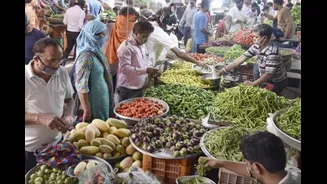
A deficient monsoon is not just a weather event in India; it's a potential macroeconomic shock. The first and most direct impact is on agriculture, as over half of India's farmland is rain-fed. Poor rainfall during the crucial Kharif sowing season can delay planting and reduce crop yields for staples like rice, pulses, and oilseeds. This lower agricultural output directly threatens to push food prices higher, fuelling inflation that affects every household. The Reserve Bank of India has already flagged a deficient monsoon linked to El Niño as a key risk to the nation's inflation and growth outlook.
Beyond the Farm: A Ripple Effect
The consequences of a weak monsoon ripple far beyond agriculture. Lower farm incomes reduce rural demand for goods like tractors, two-wheelers, and other consumer products, slowing down a significant part of the economy. Water security becomes a major issue, as poor rains fail to replenish reservoirs and groundwater levels, impacting drinking water supplies and hydropower generation. This can put a strain on electricity grids and increase the risk of environmental issues like forest fires. Banks and microfinance institutions may also face challenges as rural borrowers struggle with income pressures.
How India Is Preparing
Recognising the threat, the Indian government has activated contingency plans. The Ministry of Agriculture stated that it is closely monitoring the situation, with weekly meetings to review everything from rainfall to crop sowing. Contingency plans have been designed for over 300 districts identified as being most vulnerable to the impacts of a weak monsoon. Efforts include making climate-resilient seeds available and advising farmers to consider shifting to short-duration or drought-tolerant crop varieties. Central and state authorities have also been advised to plan for the optimum use of reservoir water and promote efficient irrigation.