





What's Driving the Renewed Push?
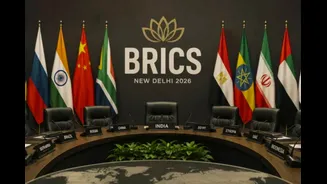
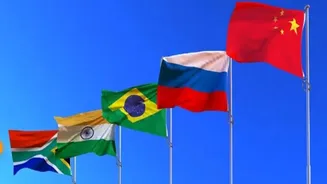
Once an acronym for promising emerging markets, the BRICS bloc has evolved into a significant geopolitical and economic force. Its recent expansion to include major energy producers and consumer markets like Egypt, Iran, Saudi Arabia, and the UAE has added
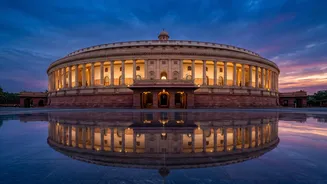
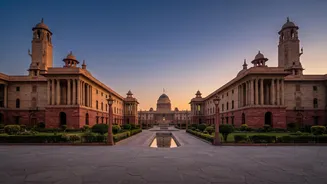
considerable weight to its ambitions. This push for deeper economic integration is driven by a shared desire among members to create a more multipolar world, less dependent on a single currency or economic power. The goal is to build a more resilient global economy, less vulnerable to geopolitical shocks, supply chain disruptions, and sanctions that have impacted global trade in recent years. As India hosts the 18th BRICS Summit, the focus is squarely on practical cooperation rather than ideological confrontation.
The Focus on Local Currencies
A central plank of the BRICS economic strategy is to move away from overwhelming reliance on the US dollar for international trade. Instead of creating a single common currency, which is seen as unfeasible for now, the more practical focus is on promoting the use of national currencies for trade between member states. This approach aims to reduce transaction costs, insulate economies from dollar-related volatility, and assert greater financial sovereignty. For example, India has already shifted to paying for some oil imports in rupees, and Russia now conducts a vast majority of its trade with BRICS partners in national currencies. While India has expressed caution about aggressive 'de-dollarization', it supports the pragmatic goal of building a more balanced system where local currencies play a larger role.
Building an Alternative Payment System
To facilitate trade in local currencies, BRICS nations are actively discussing the creation of an alternative payment infrastructure. The idea is not to replace the SWIFT messaging network but to supplement it with a system that makes cross-border transactions faster and cheaper. This involves linking the members' successful domestic instant payment systems, such as India's Unified Payments Interface (UPI), Brazil's Pix, and China's CIPS. Another area of exploration is the integration of Central Bank Digital Currencies (CBDCs) to streamline settlements. The development of 'BRICS Pay', a blockchain-based platform, is a key project in this initiative, designed to connect the national payment networks of member countries.
India's Pivotal Role and Strategic Gains
As the 2026 chair, India is steering the BRICS agenda towards tangible outcomes that benefit businesses and promote sustainable growth. New Delhi is championing initiatives like the BRICS MSME Cooperation Portal and an invoice discounting mechanism to help smaller businesses access trade finance. India sees BRICS as a vital platform for advancing its own strategic autonomy and strengthening its position as a voice for the Global South. For India, a key objective is to ensure that intra-BRICS trade becomes more balanced and that global supply chains are more diversified. By promoting its own successful Digital Public Infrastructure, like UPI, India is not just participating in BRICS but actively shaping its future, offering scalable solutions for inclusive growth across emerging economies.
Challenges and the Road Ahead
Despite the momentum, the path forward is not without obstacles. The dollar's dominance in global trade remains firmly entrenched, and a significant shift will be a gradual process. The BRICS members themselves have diverse economic structures and political priorities, which can make consensus difficult to achieve. Building a fully interoperable payment system that navigates different national regulations, including data protection laws, is a complex technical and political challenge. Furthermore, the bloc must manage internal tensions and external pressures. However, the direction is clear: BRICS is moving from a forum of shared interests to a platform for collective action, determined to build a more distributed and resilient global economic order.