






The Unrelenting Pressure of Fuel Costs
For any airline, fuel is a primary operating expense, often second only to labour. In 2026, the unpredictable nature of global oil markets has become a major source of financial strain. Recent geopolitical tensions have caused dramatic spikes in the price
of Aviation Turbine Fuel (ATF). One report noted that United Airlines expects its fuel bill to be nearly $6 billion higher than initially forecast for the year. Fuel can account for over 30% of an airline's operating costs, and on long-haul routes, that figure can climb to 40%. While airlines use hedging strategies to lock in fuel prices, these are not foolproof solutions against sustained high costs. The constant volatility makes financial planning incredibly difficult and erodes profitability, forcing carriers to either absorb the losses or pass the costs onto consumers through higher fares. This pressure directly impacts fleet planning; the financial case for expanding routes becomes much weaker when fuel costs are dangerously high.
A World of Closing Skies
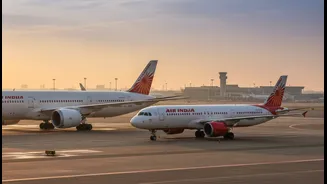
The second major risk comes from the sky itself. Geopolitical conflicts have led to the closure of critical airspace over regions like Pakistan and parts of West Asia. For Indian carriers, the continued closure of Pakistani airspace for flights to Europe and North America is a significant operational headache. These restrictions force airlines to fly longer, more circuitous routes, sometimes adding up to 90 minutes to a flight. This not only increases fuel burn—at a time when fuel is already expensive—but also drives up crew costs and adds wear and tear on aircraft. The detours directly counteract the efficiency gains promised by new, modern jets. Air India, for example, has had to temporarily reduce capacity and suspend some international routes due to these combined pressures, highlighting the real-world impact of a fragmented global airspace on network stability. While some of these cuts are expected to be restored, the underlying geopolitical uncertainty remains a persistent threat to efficient flight operations.
The Broken Promise of New Deliveries
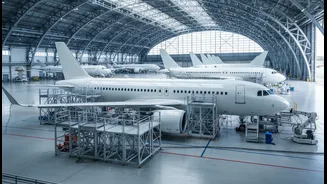
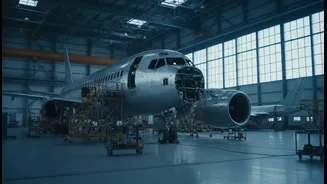
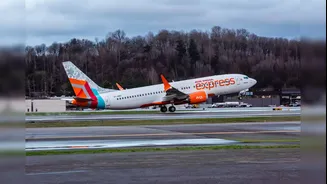
Compounding the cost and operational issues is a critical bottleneck in the supply of new aircraft. Both Airbus and Boeing are struggling with significant production delays due to ongoing supply chain disruptions. An industry analysis found that supplier bottlenecks were a core obstacle for 87% of aerospace programs studied. These are not minor hiccups; backlogs for new planes are at historic highs, with one 2026 estimate suggesting a global undersupply of nearly 2,000 aircraft. The very planes that airlines ordered to replace older, less fuel-efficient models are stuck in production queues. This forces carriers to continue operating their existing, thirstier fleets, leaving them more exposed to high fuel prices. The delays also hamper expansion plans. For Indian airlines like Air India and Akasa Air, which have placed some of the largest aircraft orders in history, these delays directly threaten their ambitious growth trajectories.
A Perfect Storm for Indian Aviation
These three risks—high fuel costs, airspace blockages, and delivery delays—are not happening in isolation. They are creating a compounding crisis for the aviation industry, and particularly for the rapidly growing Indian market. The strategy for Indian carriers has been clear: order hundreds of new-generation, fuel-efficient aircraft to power expansion and bring down operating costs. However, that strategy is being undermined on all fronts. The new planes are not arriving on schedule, and the older planes being used in their place are more expensive to fly due to elevated fuel prices. Furthermore, the routes these planes are intended to fly are becoming less efficient due to airspace restrictions. While passenger demand in India remains incredibly strong, airlines are caught between their long-term fleet ambitions and a challenging short-term reality. Navigating this perfect storm will require immense operational resilience and strategic agility from India's aviation leaders.