




The Joy of the Feast
Food is the heart of every Indian celebration. From Diwali sweets like ladoos and gujiyas to savoury Eid biryani, these dishes are steeped in tradition and love. They represent togetherness, gratitude, and the joy of sharing. However, the endless array
of rich, fried, and sweet foods can also lead to that familiar feeling of discomfort, bloating, and regret. It’s easy to overindulge when faced with so many tempting options, especially when social obligations encourage you to try a bit of everything. This can leave you feeling lethargic and unable to fully enjoy the other aspects of the festivities. The challenge, then, is not to restrict yourself, but to find a way to partake in the feast mindfully and joyfully.
The 'Taste Everything' Strategy
The secret to managing a festive spread isn't about saying no; it's about embracing smaller portions. Think of it as a tasting menu. By taking just a spoonful of kheer, one piece of a savoury snack, or a small serving of pulao, you give yourself the freedom to sample a much wider variety of dishes. This approach shifts the mindset from quantity to quality and variety. You no longer have to choose between your favourite gulab jamun and the tempting gajar halwa; you can have a small taste of both. Using smaller plates can be a powerful visual cue to help with this, preventing you from piling on too much at once. This strategy allows for indulgence without the overindulgence, ensuring you savour every flavour without overloading your system.
Practice Mindful Eating
Mindful eating is the practice of being fully present with your food. During the hustle and bustle of a festival, it's easy to eat distractedly while chatting with relatives or watching performances. However, taking a moment to slow down can make a huge difference. Before you even take a bite, appreciate the colours and smells on your plate. Chew your food slowly, savouring the textures and tastes. This not only enhances the enjoyment of the meal but also gives your body time to send fullness signals to your brain, helping you recognise when you are satisfied, not stuffed. By paying attention to your body's hunger cues, you can avoid the mindless eating that often happens at large gatherings.
Smart Tips for Hosts and Guests
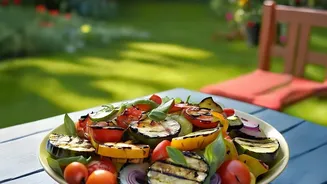
Both hosts and guests can contribute to a more manageable festive feast. If you are hosting, consider serving some treats in smaller, pre-portioned sizes. For example, mini samosas or small cups for desserts can look elegant and help guide guests toward smaller servings. Offering healthier alternatives like roasted snacks instead of only fried ones, or a large fruit platter, can also provide balance. As a guest, it’s a good idea to survey the entire buffet before you start filling your plate. This allows you to prioritise the dishes you really want to try. Start with high-fibre options like salads or vegetables to take the edge off your hunger. And don't be afraid to politely decline a second or third helping when you feel full; listening to your body is the ultimate sign of self-care.
Hydrate and Pace Yourself
Staying hydrated is crucial, especially when consuming rich and salty foods. Drinking plenty of water throughout the day can help with digestion and can also prevent you from mistaking thirst for hunger. Having a glass of water before a meal can promote a sense of fullness. It's also wise to choose your beverages carefully. Sugary drinks and juices can add a significant number of empty calories. Opting for water, buttermilk (chaas), or coconut water is a much healthier choice. Pacing is equally important. Don't feel rushed. Festivals are marathons, not sprints. Enjoy the conversation, engage with family and friends, and put your fork down between bites. This allows you to enjoy both the food and the company without feeling overwhelmed.