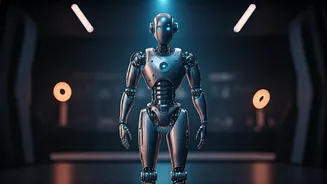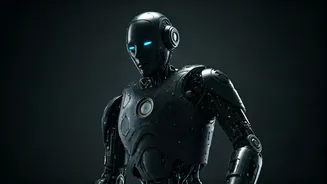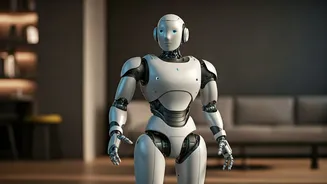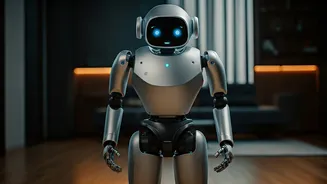







Meet the Walker S
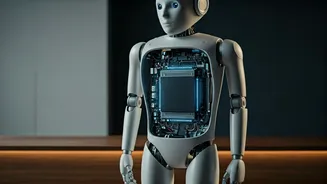
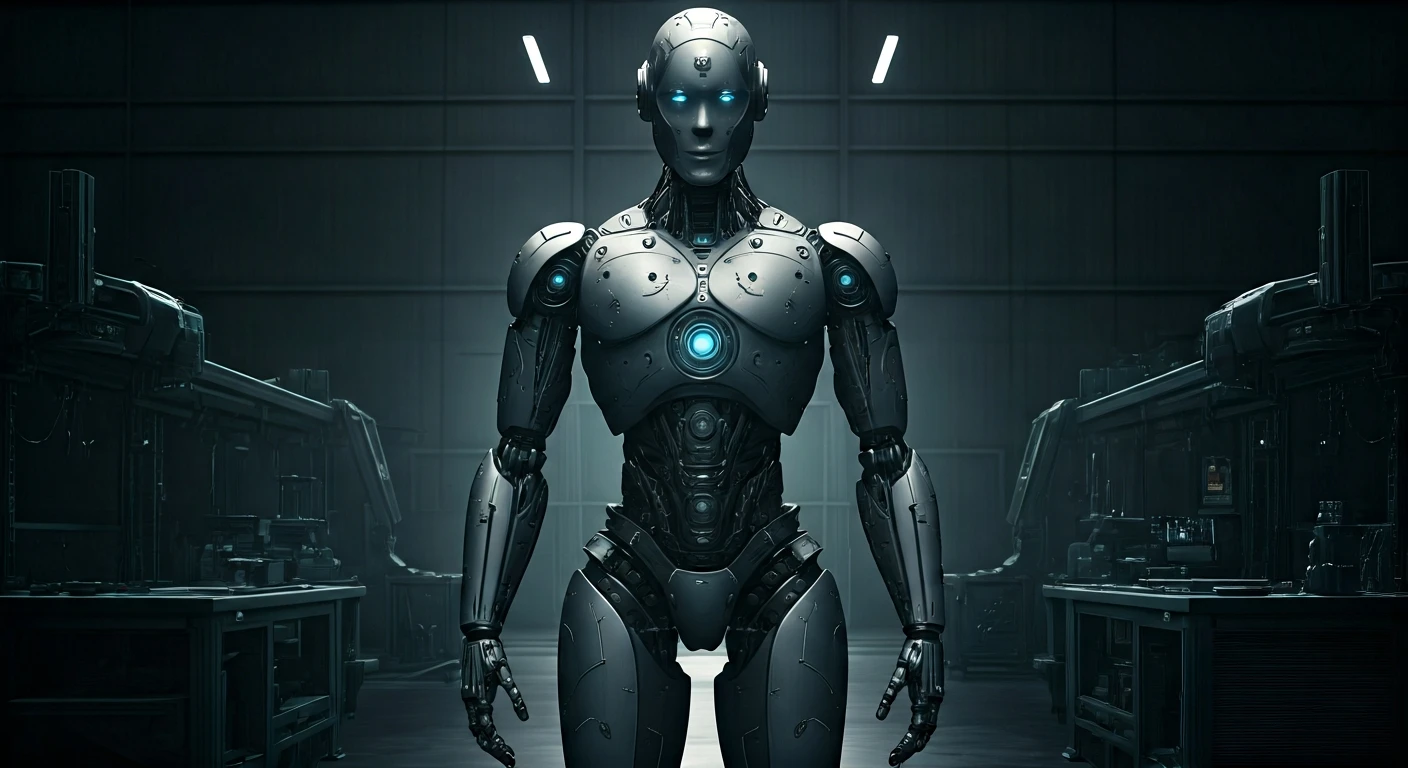
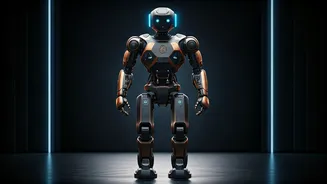
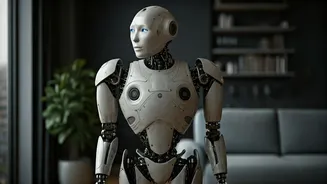
UBTech has officially pushed its industrial humanoid robot, the Walker S, into the spotlight. Standing 1.7 meters tall, this machine is not a mere prototype showcased for effect; it's a commercial product designed for real-world application. The Walker S is an advanced
bipedal robot built for smart manufacturing environments. It features 41 high-performance servo joints, giving it a wide range of motion, and is equipped with a sophisticated perception system that uses multiple sensors to understand and navigate its surroundings. It can create 3D semantic maps to move around safely, avoiding obstacles and people. This push comes as UBTech also unveils a new consumer-focused line, the UWORLD U1 series, indicating a dual strategy of tackling both industrial and domestic markets.
From the Factory to the Forecourt
A key part of UBTech's strategy involves a high-profile collaboration with electric vehicle manufacturer NIO. The Walker S has been deployed as an "intern" on NIO's assembly line, where it performs tasks like quality inspection on door locks, seat belts, and headlight covers. This partnership is more than a publicity stunt; it’s a real-world test of the robot's capabilities in a complex, dynamic manufacturing setting. The robot works alongside human employees, demonstrating its ability to handle specific, repetitive tasks. This application in a car factory is a crucial first step, proving the robot's value in a tangible industrial scenario before a wider rollout. The collaboration has since expanded to other automotive giants, including BYD and Geely, showcasing the robot's potential across the sector.
The Brains Behind the Brawn
What makes the Walker S more than just a mechanical body is its advanced AI. UBTech has integrated it with a large language model (LLM), allowing it to understand complex commands and plan its actions accordingly. This is part of a trend known as "embodied AI," where artificial intelligence is given a physical form to interact with the world. The robot can identify and grasp objects with high precision, using its hand-eye coordination for delicate tasks. Its software architecture, ROSA 2.0, allows for this deep integration of perception, decision-making, and physical action, making it a truly intelligent agent on the factory floor.
China's National Robotics Strategy
UBTech's launch is perfectly aligned with Beijing's national ambitions. China has made the development of the humanoid robotics industry a strategic priority, aiming to establish a world-leading sector by 2030. The government is actively pushing for the commercialization of these robots, setting goals to deploy thousands of units in fields like manufacturing, healthcare, and logistics. This top-down support creates a fertile ground for companies like UBTech, providing policy tailwinds and a massive domestic market to scale operations. With local content in Chinese-made robots surging and a huge pool of engineering talent, the country is positioning itself to dominate the next wave of robotics, much as it has with electric vehicles.
A Premium Bet on the Future
While the Walker S is aimed at industry, its development and the simultaneous launch of the pricey UWORLD U1 consumer series highlight a premium-first strategy. The top-tier consumer model can cost up to 990,000 RMB (approximately $136,000 USD). Instead of racing to the bottom on price, UBTech is establishing a high-end brand identity. This suggests a belief that early adopters, both in industry and the consumer space, are willing to pay for cutting-edge technology. For the industrial Walker S, the return on investment comes from increased efficiency and the ability to automate tasks that are difficult or dangerous for humans. The success of this premium push could determine how quickly humanoid robots transition from niche industrial tools to a more common presence in our economy.