






The Strategy: Flexible Shopping
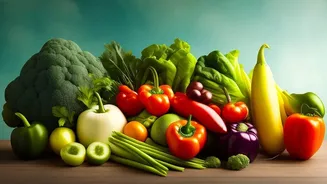
The core idea is simple: vegetable prices fluctuate based on season, supply, and weather. A vegetable that is affordable one week, like tomatoes or onions, might see a sharp price spike the next. Instead of sticking rigidly to a recipe, the savvy cook
learns to be flexible. This means observing prices at your local market and being ready to substitute a high-priced vegetable with a similar, cheaper alternative. This approach, sometimes called 'reverse meal planning', involves building meals around what's fresh and affordable, rather than starting with a fixed recipe.
Gourd Swaps for Hearty Curries
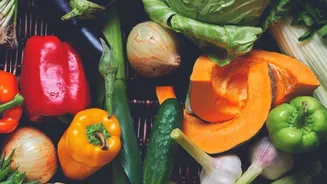
Many Indian curries are built around a hearty vegetable that absorbs flavours well. When expensive options like zucchini or bell peppers (shimla mirch) are out of your budget, turn to the humble gourd family. Bottle gourd (lauki/dudhi), ridge gourd (turai), and pumpkin (kaddu) are excellent, low-cost substitutes. They have a mild flavour and a tender texture when cooked, making them perfect for soaking up the spices in a curry. For instance, a lauki curry can be just as satisfying and nutritious as a curry made with more expensive vegetables, and it is known for being light on the stomach and cooling for the body.
Leafy Green Alternatives
Spinach (palak) is a favourite, but its price can vary. When palak is expensive, look for other seasonal greens. Amaranth leaves (chaulai), fenugreek leaves (methi), or even radish greens can often be found for a fraction of the cost. These greens can be used in dals, sabzis, and even parathas, much like spinach. While the flavour profile will be slightly different—methi is pleasantly bitter, for example—they provide a similar nutritional boost and add vibrant colour and texture to your meals. The key is to embrace the variety and adjust your spices slightly to complement the new flavour.
Cauliflower, Cabbage, and Beyond
Cauliflower (gobi) and cabbage (patta gobi) are often interchangeable, especially in dry stir-fries (sabzis) and mixed vegetable dishes. While they have distinct flavours raw, their textures become quite similar once cooked. If the price of cauliflower shoots up, consider making a cabbage stir-fry with the same spices you would use for Aloo Gobi. Similarly, carrots can often be swapped with sweet potatoes (shakarkandi) in stews and mixed vegetable curries, adding a different kind of sweetness and a creamy texture. Don't be afraid to experiment; the base masala of onion, tomato, ginger, and garlic provides the familiar flavour foundation.
Making the Swap Work
Successfully swapping vegetables is about more than just a one-to-one replacement. Pay attention to cooking times; softer vegetables like gourds cook faster than dense ones like carrots. When substituting, it's the texture and role in the dish that matter most. A watery vegetable like bottle gourd can replace another watery vegetable like zucchini. Ultimately, the flavour of many Indian dishes comes from the blend of spices. As long as your masala base is strong, the dish will be delicious. This flexible approach not only saves money but also introduces more variety and nutrients into your diet.