






The Unsung Heroes of Your Pantry
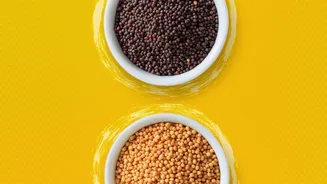
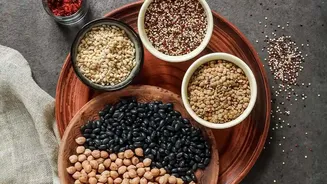
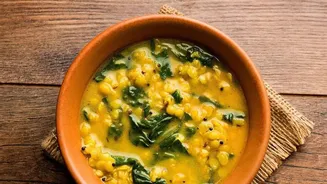
First, let's be clear on what we're talking about. 'Pulses' are the edible, dried seeds from the legume family. In India, they are the very foundation of our cuisine: think of all the varieties of dal (lentils), chana (chickpeas), rajma (kidney beans),
and lobia (black-eyed peas). These are not to be confused with fresh vegetables like green peas, which are technically legumes but not pulses because they aren't dried. For centuries, these ingredients have been staples not just for their affordability and long shelf life, but for their incredible nutritional density. They are a cornerstone of traditional diets worldwide for very good reason.
The Protein Promise, Plant-Style
When we think protein, our minds often jump to eggs, chicken, or paneer. But pulses are formidable contenders. They typically contain about twice the protein found in whole-grain cereals like wheat and rice. A single cup and a half of cooked lentils can provide as much protein as a standard portion of chicken. This makes them an invaluable protein source, especially for vegetarian and vegan diets. Protein is essential for everything from building and repairing tissues and muscles to supporting a healthy immune system. By incorporating more pulses, you can easily meet your daily protein needs through plant-based sources.
The Fibre Factor You're Missing
Here’s where pulses truly outshine many other protein sources. While animal-based proteins like meat, fish, and eggs contain zero dietary fibre, pulses are packed with it. Dietary fibre is crucial for a healthy digestive system, helping to prevent constipation and promote regularity. But its benefits go far beyond that. A high-fibre diet is linked to a lower risk of heart disease, type 2 diabetes, and certain cancers. It helps regulate blood sugar levels by slowing down the absorption of sugar and can also aid in lowering 'bad' LDL cholesterol. Most of us don't get enough fibre, and pulses are one of the easiest and most effective ways to bridge that gap.
A Powerful Nutritional Partnership
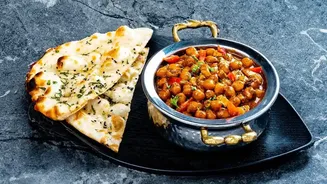
The combination of protein and fibre in pulses is a nutritional masterstroke. This dynamic duo works together to promote a feeling of fullness and satiety. Fibre adds bulk and slows down digestion, while protein signals to your brain that you are satisfied. This helps control your appetite, manage cravings, and can be a powerful tool for weight management. This combination also helps prevent sharp spikes and crashes in blood sugar and energy levels, providing a more stable and sustained release of energy throughout the day. So, a bowl of dal or chana masala doesn't just fill you up; it keeps you feeling full and energised for longer.
Beyond the Everyday Dal
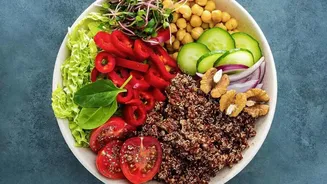
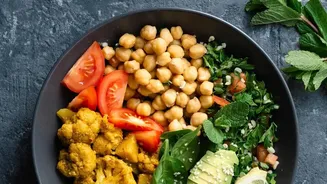
Incorporating more pulses into your diet doesn't have to be monotonous. While a comforting bowl of dal with rice is a perfect meal, there are countless other ways to enjoy them. You can add chickpeas and kidney beans to salads for a filling lunch. Sprouted moong can be made into a delicious and crunchy salad. You can blend cooked pulses into soups to make them creamier and more nutritious or even add a handful of cooked white beans to a smoothie for a protein and fibre boost. Think of using mashes of rajma or black beans in homemade burger patties or adding lentils to your regular sabzi or bolognese sauce to make the meal heartier and stretch it further. From moong dal chilla for breakfast to roasted chickpeas as an evening snack, the options are endless.