

Loktak Lake, Manipur: The Only Floating Lake
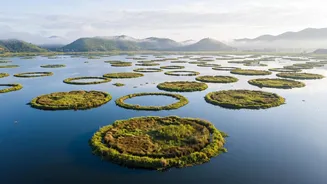
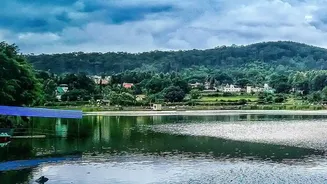
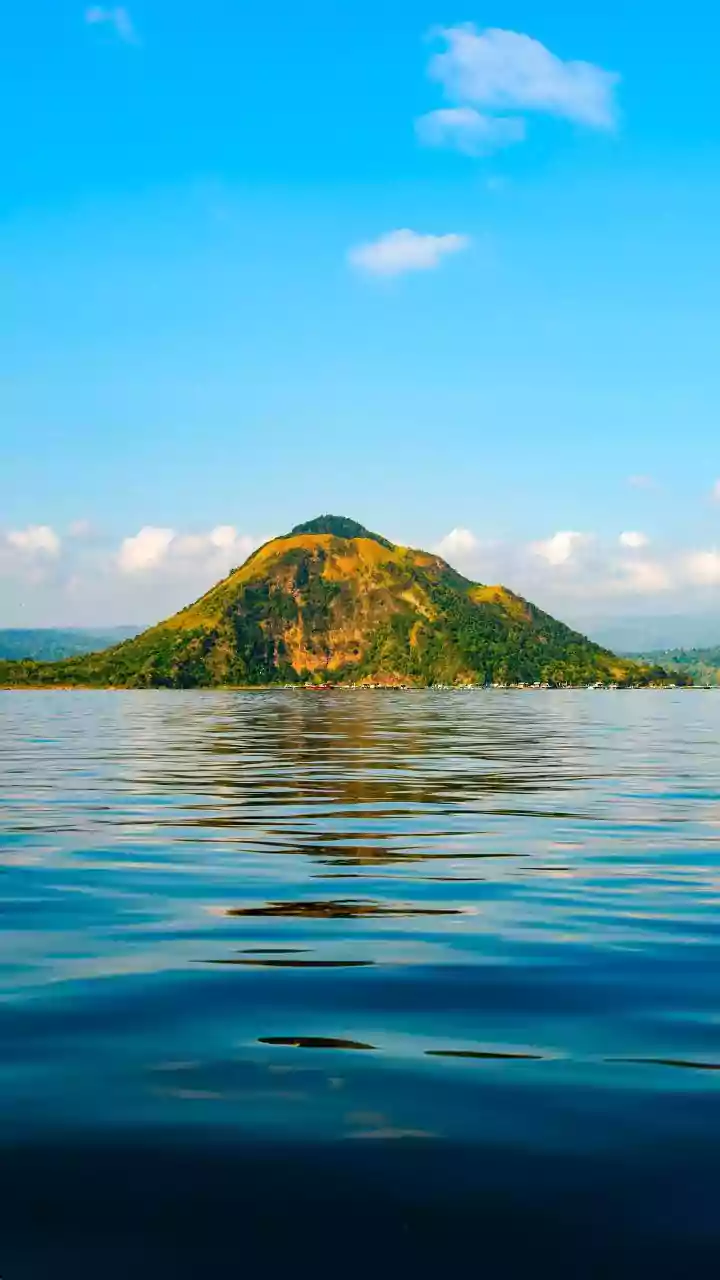
Loktak Lake is perhaps the most iconic and unusual lake in the region, and for good reason. It is the largest freshwater lake in Northeast India and is famous for its 'phumdis'. These are not islands in the traditional sense, but floating, circular masses
of vegetation, soil, and organic matter in various stages of decomposition. These phumdis are so thick and buoyant that local fishermen have built their homes, or 'phumsangs', on them. Astonishingly, the largest of these phumdis hosts the Keibul Lamjao National Park, the only floating national park in the world. This park is the last natural refuge for the endangered Sangai deer, also known as the dancing deer of Manipur. The lake is a lifeline for the state, providing water for hydropower, irrigation, and supporting a thriving fishing community living on the floating biomass.
Gurudongmar Lake, Sikkim: The Sacred High-Altitude Wonder
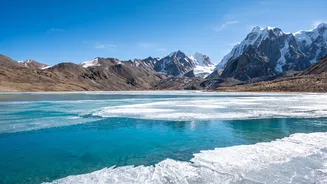
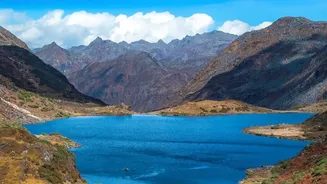
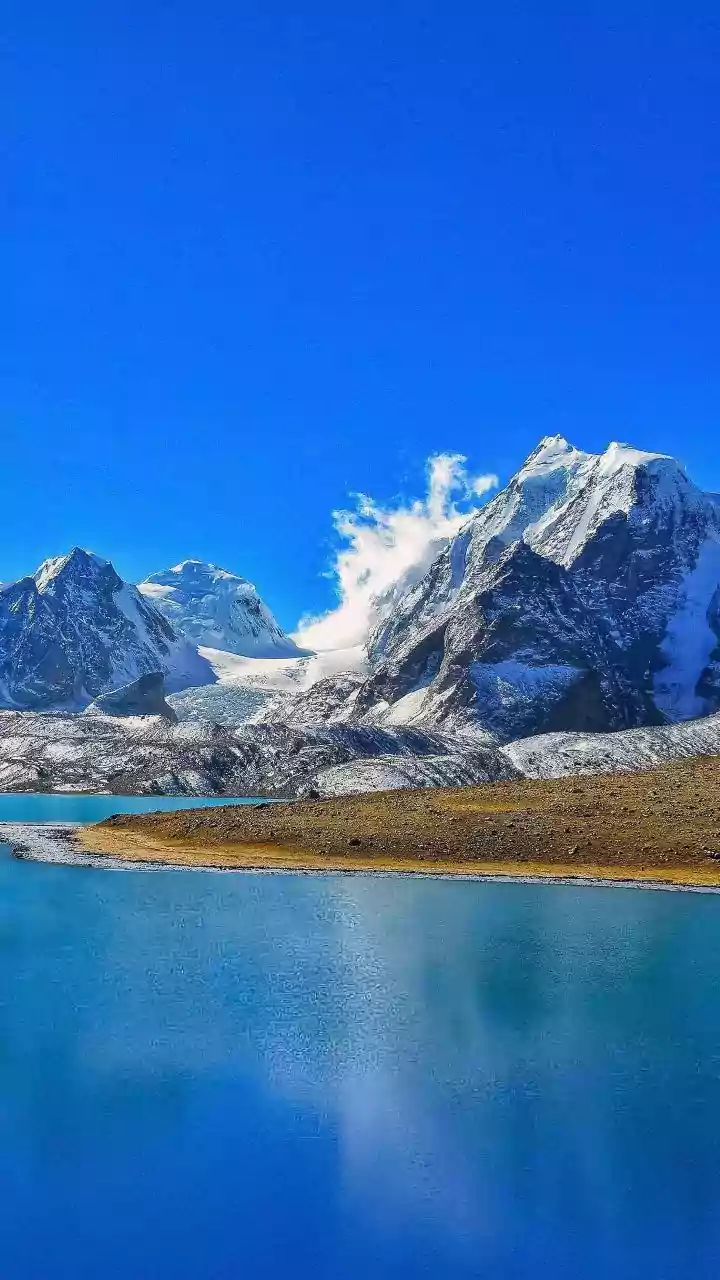
Situated at a breathtaking elevation of over 17,000 feet, Gurudongmar Lake in North Sikkim is one of the highest lakes in the world. Its location, just a few kilometres from the India-China border, adds to its mystique. Surrounded by stark, snow-capped mountains in a high-altitude desert landscape, the lake's milky, turquoise water is a startling splash of colour. Gurudongmar is revered as sacred by both Buddhists and Sikhs. Legend holds that the 8th-century Buddhist master Guru Padmasambhava touched a part of the lake, and that specific spot never freezes, even in the harshest winters when temperatures plummet. This provides a source of water to the local population year-round. The water is believed to have curative properties, and many visitors carry it back with them as a blessing.
Tsomgo Lake, Sikkim: The Lake of Changing Colours
Also known as Changu Lake, Tsomgo is a glacial lake in East Sikkim, located at an altitude of about 12,313 feet. What makes Tsomgo so remarkable is its ability to reflect different colours with the changing seasons. In spring and summer, its periphery is alive with blooming rhododendrons, primulas, and poppies, while the water takes on a deep azure hue. In winter, the lake freezes over, transforming into a sheet of pristine white. This chameleon-like quality has made it a subject of reverence for local Sikkimese people, with Buddhist monks historically making predictions based on its changing colours. The serene atmosphere, coupled with colourfully decorated yaks and mules by its banks, makes it a truly enchanting experience.
Sela Lake, Arunachal Pradesh: Paradise at the Pass
Perched at an altitude of around 13,700 feet near the Sela Pass in Arunachal Pradesh, Sela Lake is often called Paradise Lake, and it’s easy to see why. This glacial lake is considered one of 101 sacred lakes by the local Monpa tribe. During winter, it often freezes completely, creating a stunning spectacle against the backdrop of rugged, snow-dusted mountains. The journey to the lake itself is an adventure, traversing one of the highest motorable passes in the country. Its crystal-clear waters and the tranquil, almost spiritual, silence of its high-altitude location offer a profound sense of peace and connection with nature, making it a point of pilgrimage for both spiritual seekers and nature lovers.
Sangestar Tso, Arunachal Pradesh: A Lake Born from an Earthquake
More popularly known as Madhuri Lake, Sangestar Tso in the Tawang district has a dramatic origin story. The lake was formed as a result of an earthquake in the 1950s, which caused landslides that blocked a valley. The result is a hauntingly beautiful landscape where skeletal trunks of dead trees emerge from the calm, clear water, standing as silent witnesses to the forest that once was. The lake’s popular nickname comes from the Bollywood actress Madhuri Dixit, after a song from the 1997 film 'Koyla' was filmed here, catapulting the remote location into the popular imagination. Managed by the Indian Army, its location near the Indo-China border adds a layer of rugged remoteness to its cinematic charm.