



A Crisis and a Lifeline
The COVID-19 pandemic was a period of immense uncertainty, particularly for India’s burgeoning startup ecosystem. As lockdowns brought economic activity to a standstill, cash flows dried up and many ventures faced existential threats. A NASSCOM survey
from the time revealed that 70% of startups had less than three months of cash runway left. The situation was even more precarious for hardware-focused companies like Skyroot Aerospace, for whom remote work could not replace the essential hands-on engineering, manufacturing, and testing. With timelines pushed back and funding becoming scarce, the future looked challenging. It was at this critical juncture that Mukesh Bansal, an early believer in Skyroot, stepped in with a vital ₹2 crore infusion specifically to ensure the company could retain its talented team during the crisis.
The Investor with Conviction
Mukesh Bansal, renowned as the founder of Myntra and Cult.fit, was not just any investor for Skyroot; he was their first. In 2018, two years before the Indian government officially opened the space sector to private companies, Bansal took a significant leap of faith. He became the startup's first and only angel investor, backing the vision of two former ISRO scientists when most venture capitalists deemed private rocket building in India too risky. His initial backing was part of a larger ₹12 crore commitment he made across several early rounds. The additional ₹2 crore during the pandemic was not just capital; it was a powerful signal of unwavering belief in the founders' mission at a time when the world was gripped by fear and uncertainty.
An Audacious Dream from Former Scientists
Skyroot Aerospace was founded in 2018 by Pawan Kumar Chandana and Naga Bharath Daka, two engineers who left their stable jobs at the prestigious Indian Space Research Organisation (ISRO). Their ambition was as grand as it was simple: to make space launches affordable, reliable, and accessible on-demand, effectively creating a 'cab service to space'. They envisioned a future where Indian private enterprise could play a pivotal role in the global space economy. However, turning this vision into reality required immense capital, deep technical expertise, and the stomach for monumental risk. For years, the idea of a private Indian firm designing and launching orbital-class rockets was seen by many as unrealistic.
From Survival to a Historic Launch
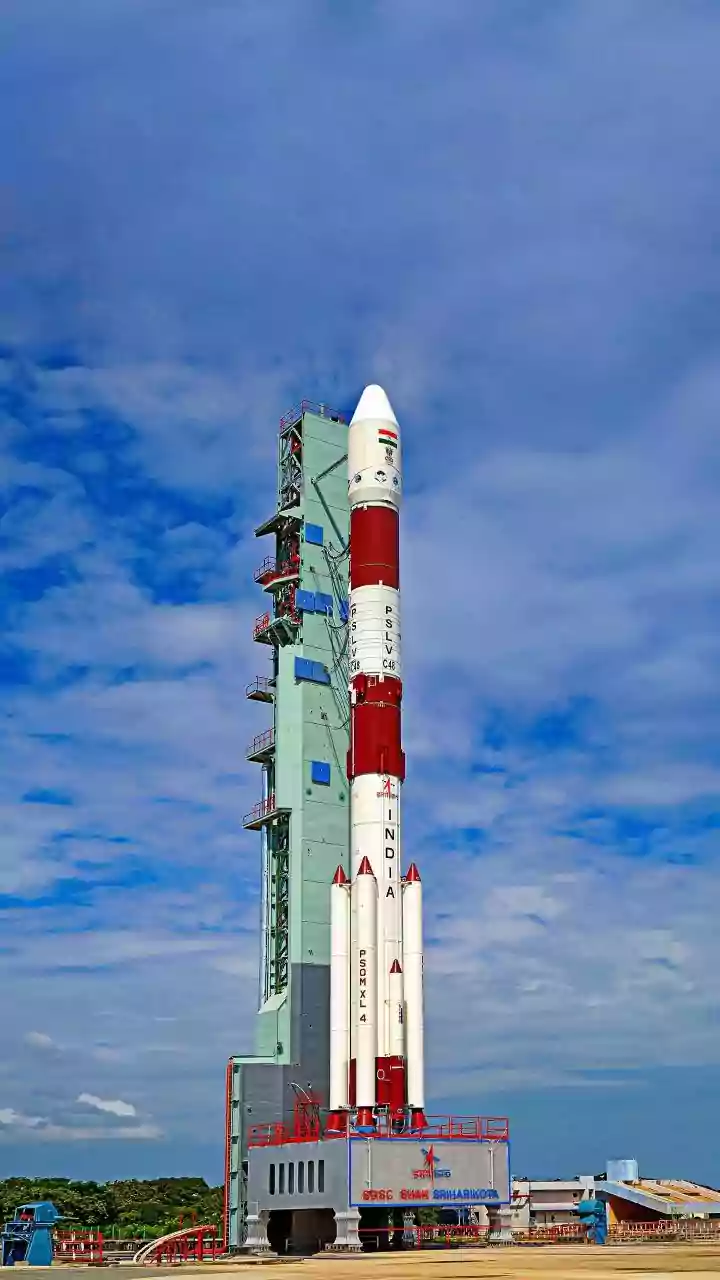
Bansal’s critical support during the pandemic allowed Skyroot to weather the storm without losing its core engineering talent. That continuity proved decisive. The team went on to achieve a series of remarkable milestones, validating the early faith placed in them. In November 2022, Skyroot made history by launching Vikram-S, India’s first-ever privately developed rocket, on a suborbital flight. This success was a stepping stone to a far greater achievement. On July 18, 2026, the company launched its Vikram-1 rocket, successfully placing payloads into orbit and marking India's first-ever orbital launch by a private company. This historic event transformed Skyroot into India's first space-tech unicorn, with a valuation exceeding $1 billion.
A Bet That Redefined an Industry
The success of Vikram-1 was the ultimate payoff for a high-risk, high-conviction bet. That crucial ₹2 crore, provided during a global crisis, was part of a larger investment that has now generated extraordinary returns, with Bansal's total stake growing to be worth over ₹700 crore. More importantly, the success of Skyroot has ignited India's private space ecosystem, proving that with visionary founders and patient, courageous capital, Indian startups can compete on the global stage in even the most complex and capital-intensive sectors. The journey from a LinkedIn message and an early-stage bet to a historic orbital launch demonstrates how a moment of support during a crisis can ultimately help forge a national champion.