




The Climate Challenge for a Fragile Fruit
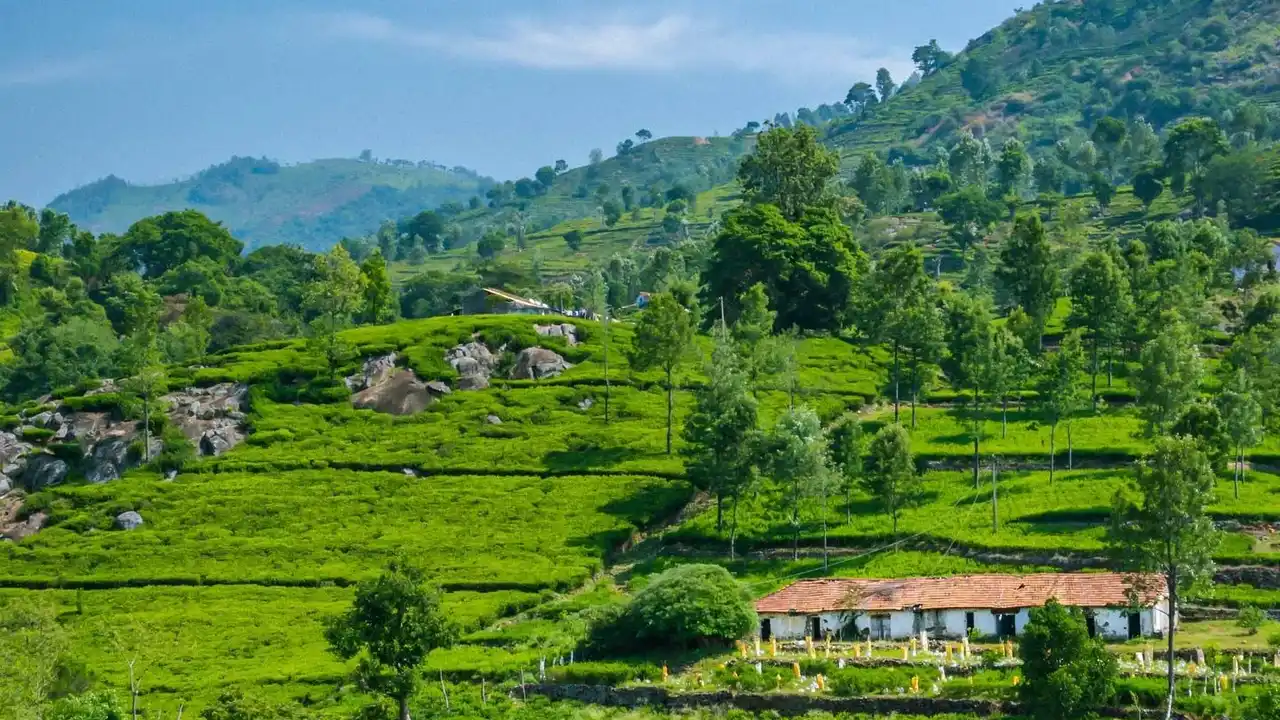
Strawberries are notoriously sensitive. They thrive in temperate climates with specific conditions, making regions like Mahabaleshwar—which produces around 85% of India's strawberries—ideal. However, rising temperatures, unseasonal heatwaves, and erratic
rainfall are wreaking havoc. Unusual heat can cause the fruit to ripen prematurely, reducing its size and quality, while heavy rains during the flowering or harvest season can destroy the crop entirely. This volatility not only threatens the livelihoods of thousands of farmers who depend on this cash crop but also leads to market instability and higher prices for consumers across the country. The need for a hardier, more adaptable strawberry has never been more urgent.
A Partnership for Resilience
To tackle this challenge, two of India's leading institutions have joined forces: the Mahatma Phule Krishi Vidyapeeth (MPKV) in Rahuri and the Bhabha Atomic Research Centre (BARC) in Mumbai. MPKV, a premier agricultural university in Maharashtra, brings deep expertise in horticulture and the specific challenges faced by local farmers. BARC, a unit of the Department of Atomic Energy, contributes decades of experience in a powerful scientific technique known as mutation breeding. This collaboration aims to do something revolutionary: develop indigenous Indian strawberry varieties that can withstand the nation's increasingly unpredictable weather patterns, reducing reliance on expensive imported plantlets and securing the crop for the future.
The Science of Mutation Breeding
When people hear "radiation," they might think of science fiction, but in agriculture, it’s a well-established tool for crop improvement. Mutation breeding uses physical mutagens, like gamma rays, to speed up the natural process of genetic variation that occurs slowly in nature. By exposing seeds or plant tissues to a controlled dose of radiation, scientists can induce thousands of random genetic changes. The vast majority of these mutations are not useful, but a small fraction can result in desirable new traits—like the ability to tolerate heat, resist a specific disease, or produce a higher yield. Scientists then carefully screen these mutated plants to identify and propagate the ones with beneficial characteristics. Crucially, this is a non-GMO method; it does not involve introducing genes from other species, but rather works with the plant's own genetic material.
Developing a Made-in-India Strawberry
The goal of the MPKV-BARC programme is to create strawberry varieties with a suite of climate-resilient traits. Researchers are looking for plants that can better tolerate heat stress, require fewer chilling hours in winter to produce fruit, and show resistance to common fungal diseases. By developing such varieties, the programme aims to stabilize production and perhaps even expand strawberry cultivation to new areas in India that were previously considered unsuitable. BARC has already successfully used this mutation breeding technique to develop and release 72 improved varieties of other crops, including groundnuts, rice, and pulses, many of which feature higher yields and better resilience. Applying this proven success to strawberries is the next logical step in bolstering India's food security and agricultural self-reliance.
Beyond the Berry Patch
The importance of this programme extends far beyond just one fruit. It serves as a powerful example of how conventional scientific innovation can provide solutions to some of modern agriculture's biggest challenges. As climate change continues to affect crop yields across the board, the ability to develop new, resilient plant varieties quickly is essential. The success of mutation breeding in India, which has resulted in over 345 improved mutant varieties of various crops, underscores its value. The techniques being refined in the strawberry programme could be adapted for other valuable horticultural crops facing similar threats, from mangoes to grapes. It represents a proactive approach to climate adaptation, empowering farmers with the tools they need to thrive in a changing world.