


The Precision of Control: Pilates
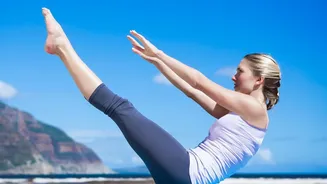
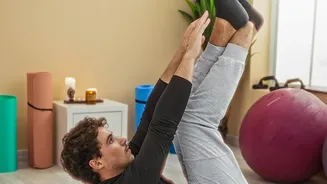
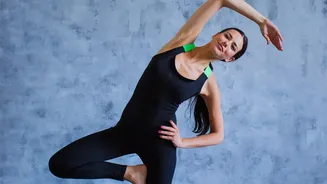
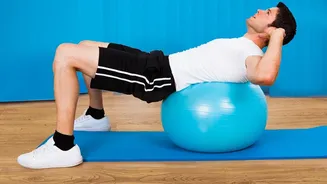
Pilates is often described as 'intelligent exercise,' and for good reason. At its heart, Pilates is a practice of control, precision, and breath, originally named "Contrology" by its founder, Joseph Pilates. It focuses on strengthening what he called
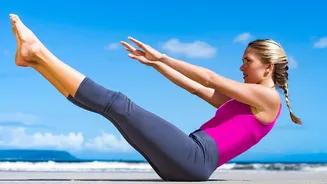
the "powerhouse"—the deep group of muscles that wrap around your midsection, including the abdomen, lower back, hips, and pelvic floor. Instead of fast, high-repetition movements, Pilates uses slow, deliberate exercises to engage these deep stabilizing muscles, particularly the transverse abdominis, which acts like a natural corset for your spine. This method enhances body awareness and requires mental concentration to coordinate breath with movement, fostering a powerful mind-body connection. The result is not just stronger muscles, but improved posture, better balance, and functional strength that supports you in daily life.
The Power of Pace: Circuit Training
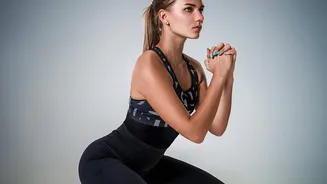
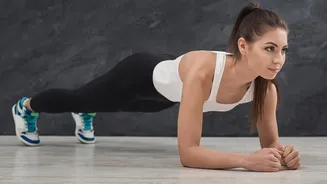
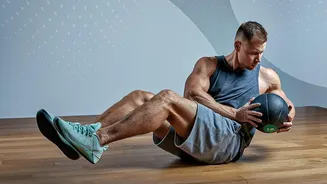
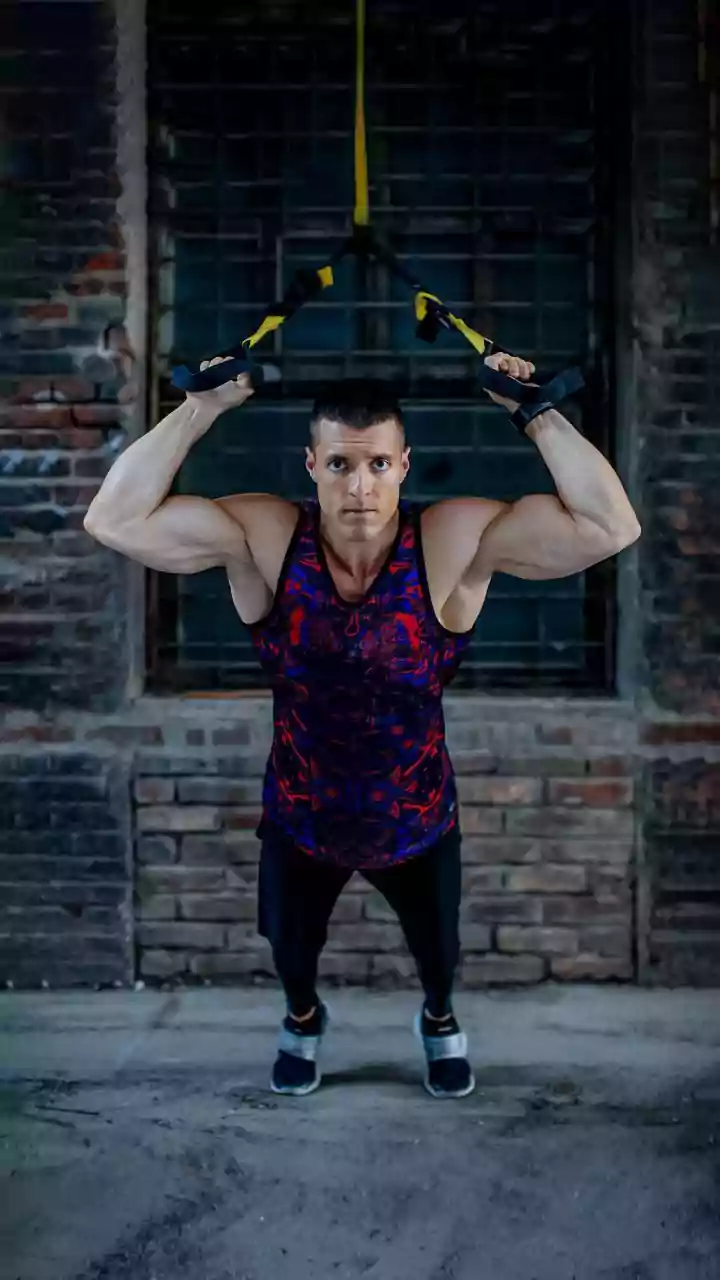
On the other end of the fitness spectrum is fast-paced circuit training, a form of high-intensity interval training (HIIT). This method involves performing a series of different exercises for short, intense bursts, with minimal rest in between. The focus is on challenging multiple muscle groups at once, which elevates the heart rate and provides a significant cardiovascular workout alongside strength building. While not exclusively a 'core workout,' circuit training forces the core to work dynamically to stabilize the body during explosive and compound movements like squats, lunges, and kettlebell swings. Your core has to fire constantly to maintain balance and transfer force between your upper and lower body, building powerful, responsive strength. It's an efficient way to burn calories, improve endurance, and build overall muscle.
Stability vs. Power: A Tale of Two Cores
So, which is better for core strength? The answer lies in how you define 'strength'. Pilates excels at building deep, intrinsic core stability. Think of it as building the foundation of a skyscraper. It strengthens the muscles responsible for posture and spinal support, which can help alleviate back pain and prevent injury. This is endurance-based strength that allows you to hold your body correctly and with control. Circuit training, on the other hand, builds dynamic core power. This is the strength needed to react, to move athletically, and to stabilize your body against external forces or during rapid movements. If Pilates builds the stable foundation, circuit training stress-tests the entire structure to make sure it can withstand a storm. One develops control from the inside out; the other builds strength through full-body, high-energy challenges.
Choosing Your Champion Workout
The right choice for you depends entirely on your personal goals and preferences. If your primary aim is to improve posture, reduce chronic back pain, enhance body awareness, and build a foundational layer of deep core control, Pilates is an unparalleled choice. It's a low-impact option that is excellent for rehabilitation and for creating long, lean muscle tone. Conversely, if your goals include fat loss, improved cardiovascular health, and developing explosive power for sports or daily activities, fast-paced circuit training will likely deliver quicker results. It is a time-efficient workout that provides a full-body challenge and boosts your metabolism. Consider what your body needs most right now: meticulous control or dynamic power.
The Undefeated Combo: Why Not Both?
Ultimately, the competition between Pilates and circuit training is a false one. In fact, they are incredibly complementary. The core control, stability, and body awareness gained from Pilates can dramatically improve your form during high-intensity circuits, reducing the risk of injury and making the movements more effective. A strong Pilates-built foundation allows you to handle the dynamic loads of circuit training more safely. At the same time, the cardiovascular and power challenges of circuit training can elevate your overall fitness in ways that Pilates alone might not. A balanced routine could involve two to three Pilates sessions per week to focus on stability and control, paired with one or two circuit sessions to boost cardio and power. This combination creates a truly resilient, functional, and well-rounded core.