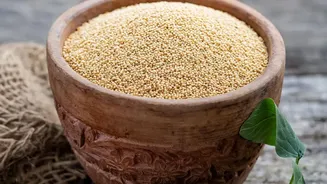









The Power-Packed Profile of Amaranth
Amaranth isn't technically a grain but a 'pseudocereal,' a seed used like a grain. For thousands of years, civilizations like the Aztecs prized it for its strength-giving properties. Today, it’s celebrated for its dense nutritional profile. It’s a complete
protein, meaning it contains all nine essential amino acids, including lysine, which is often lacking in other grains. This lysine content is particularly valuable as it helps the body absorb calcium, a crucial element for bone health. Beyond protein, amaranth is naturally gluten-free and packed with fibre, making it a versatile and easily digestible option for many.
The Minerals That Build Better Bones
When it comes to bone nutrition, amaranth truly shines. It provides a powerful combination of minerals essential for skeletal health. A single cup of cooked amaranth contains about 116 mg of calcium, the primary building block of our bones. While that's less than a glass of milk, it’s a significant plant-based contribution. What makes amaranth especially effective is its rich supply of magnesium and phosphorus. Magnesium helps the body properly absorb and use calcium and is essential for bone formation. Phosphorus is another key mineral that gives bones their rigid structure. Furthermore, amaranth delivers an exceptional amount of manganese, a mineral that supports the processes of bone formation and maintenance.
Beyond the Breakfast Bowl: The Bigger Picture
While amaranth is a fantastic addition to a bone-healthy diet, no single food can do the job alone. True bone health relies on a holistic approach. The calcium, magnesium, and protein from amaranth work best when supported by other nutrients and lifestyle habits. Vitamin D, often called the 'sunshine vitamin,' is critical for calcium absorption, and many people do not get enough of it. Without sufficient Vitamin D, the calcium you consume may not be effectively used by your bones. Regular physical activity, especially weight-bearing exercises like walking, jogging, and strength training, is also vital. Exercise stimulates the cells that build bone, helping to increase and maintain density. A balanced diet rich in a variety of nutrient sources, including leafy greens, other whole grains like ragi, dairy or dairy alternatives, and lean proteins, creates a strong foundation that amaranth can enhance.
Making Amaranth a Morning Staple
Incorporating amaranth into your breakfast routine is simple and delicious. The most common method is to cook it into a porridge. Its texture becomes creamy, similar to a hot cereal, with a nutty, earthy flavour. To prepare, use a ratio of about one part amaranth to three parts water or milk, and simmer for 20-25 minutes until the liquid is absorbed and the seeds are tender. You can enhance the flavour and nutritional value by adding cinnamon, cardamom, fresh fruits like bananas or berries, and a sprinkle of nuts or seeds. For a quicker option, puffed amaranth can be added to yogurt, smoothies, or even sprinkled over toast with nut butter for a satisfying crunch. Whether you enjoy it as a warm porridge or a crunchy topping, amaranth is an easy and effective way to boost the bone-building potential of your morning meal.