

1. The Earthy & Nutty Profile
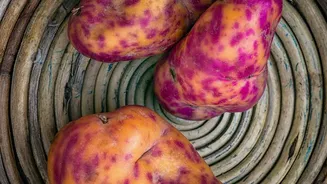
This is the potato in its most elemental and honest form. The flavour is subtle, slightly sweet, and reminiscent of the soil it grew in. Some varieties, particularly purple or fingerling potatoes, naturally possess a more pronounced nutty and earthy taste.
To bring this profile forward, gentle cooking methods are best. Boiling or steaming potatoes with their skins on helps to retain these delicate flavours, which can be lost in water. A simple boil until tender, followed by a light crush and a drizzle of good quality oil, allows the intrinsic character of the potato to shine. This profile is the foundation for a comforting potato salad or a simple side dish where the vegetable itself is the star. Waxy potato varieties like Red Bliss or Baby New Potatoes hold their shape well and are excellent choices for this treatment.
2. The Creamy & Buttery Profile
Everyone loves a decadent, velvety mash. This profile is all about texture transforming into flavour. Starchy potatoes, such as the common Russet, are the champions here. Their low moisture and high starch content cause them to fall apart when cooked, creating a light, fluffy base that eagerly absorbs fat and liquid. The secret to an intensely creamy profile is to cook the potatoes in the very ingredients you plan to finish them with. Instead of boiling in water, which can dilute the taste, try simmering peeled, chopped potatoes in a mixture of milk or cream and butter until tender. The potatoes will absorb the dairy, resulting in a dish that is inherently rich and flavourful before you even begin to mash. Roasted garlic or caramelized onions can be added to create even more depth.
3. The Sweet & Caramelized Profile
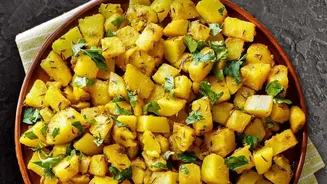
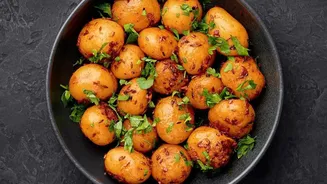
When subjected to dry, high heat, the natural sugars within a potato begin to caramelize, creating deep, sweet, and complex notes. This is thanks to the Maillard reaction, the same chemical process that gives toast and roasted meats their delicious brown crust and flavour. To achieve this, roasting is your best friend. Cut potatoes into chunks or wedges, toss them with a little oil, and roast at a high temperature (around 200°C). The high heat drives off moisture, allowing the exterior to brown beautifully while the inside becomes soft and tender. Spreading the potatoes in a single layer without overcrowding the pan is crucial for maximum browning. This method works wonders on almost any potato, but particularly well on all-purpose varieties like Yukon Gold, which bring their own buttery notes to the party.
4. The Crispy & Salty Profile
From perfectly golden French fries to the crunch of a homemade chip, this is perhaps the most universally craved potato profile. The goal is a shatteringly crisp exterior that gives way to a fluffy, steamy interior. The key to this texture is twofold: starch and fat. Starchy potatoes like Russets are ideal for frying. A crucial step for achieving extra crispiness is to parboil the potatoes before frying or roasting at a high temperature. Boiling them briefly brings a layer of starch to the surface which then crisps up magnificently when it hits hot oil. For the ultimate crunch, many chefs employ a double-frying method: a first fry at a lower temperature to cook the potato through, and a second, hotter fry to achieve that perfect golden-brown colour and crispness.
5. The Tangy & Bright Profile
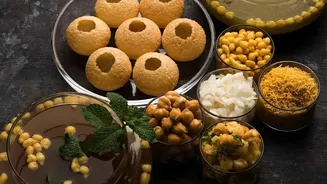
Potatoes are flavour sponges, and they are especially good at soaking up acidic and bright flavours. While not a flavour profile potatoes generate on their own, it is one they take on beautifully, making them a perfect canvas for zesty ingredients. Think of the delicious tang in a German potato salad or the vibrant flavour of Aloo Chaat. This profile is achieved by adding acids like vinegar, lemon juice, or even tangy condiments like chaat masala or yogurt after the potatoes are cooked. Waxy potatoes are excellent for this as they hold their shape and won't turn to mush when tossed with a dressing. A great technique is to dress the potatoes while they are still warm; they will absorb the tangy liquid more readily, creating a flavour that penetrates deep into the potato instead of just coating the surface.