

The Main Event: The Full Harvest Moon
The undeniable star of September's night sky is the Harvest Moon. In 2026, this famous full moon reaches its peak on Saturday, September 26. What makes it special isn't just its name, but its behaviour. The Harvest Moon is the full moon that falls closest
to the autumnal equinox, which occurs on September 22 or 23. Around this time, the moon rises near sunset for several evenings in a row, a phenomenon that once provided farmers with extra light to bring in their crops. This year, you can enjoy the view on both the nights of September 26 and 27, as the moon will appear full to the naked eye for about three days. Look to the eastern horizon around sunset to catch its beautiful orange glow as it rises.
A Parade of Bright Planets
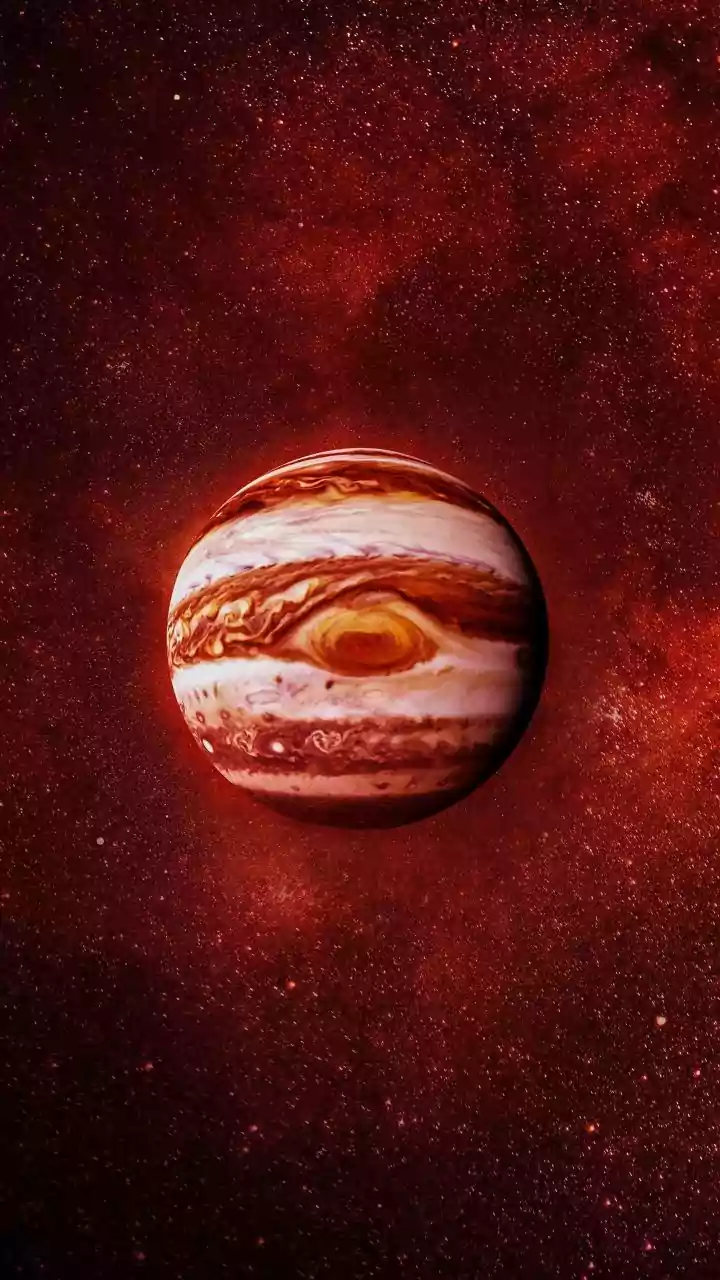
September is a fantastic month for planet-spotting, with five planets visible at different times. Venus will be a stunningly bright object in the western sky just after sunset all month long, reaching its peak brightness for the year. Yellowish Saturn will also be visible for most of the night, rising in the east not long after the sun goes down. If you're an early riser, you can catch reddish Mars and the brilliant, white Jupiter dominating the pre-dawn eastern sky. For those with binoculars or a small telescope, Neptune is at opposition on September 26, meaning it's directly opposite the Sun from Earth, making it a great time to seek out the distant, blue planet.
Marking the Change of Seasons
Beyond the moon and planets, September brings a significant astronomical milestone: the autumnal equinox. Occurring on September 22 or 23, depending on your time zone, the equinox marks the official start of autumn in the Northern Hemisphere. On this day, the Sun shines directly on the equator, and day and night are of approximately equal length across the globe. It’s a moment of celestial balance before the nights begin to grow noticeably longer than the days. While it's not a visual event you can 'watch' in the same way as a meteor shower, it’s a powerful reminder of our planet's journey around the sun and the celestial mechanics that govern our seasons.
Key Dates for Your September Skywatching Calendar
To make it easy, here are some key moments to look up this month: September 6: Before dawn, look for the crescent moon passing close to Mars. September 8: An even tighter pairing occurs before sunrise, with the thin crescent moon appearing very close to bright Jupiter. September 18: Venus is at its absolute brightest in the evening sky. September 22-23: The Autumnal Equinox marks the start of fall. September 26: The full Harvest Moon rises, and Neptune is at opposition. September 27: The full moon will appear close to the planet Saturn.
Your Simple Skywatching Starter Kit
The best part about the September sky is how little you need to enjoy it. The most important tool is patience. When you go outside, give your eyes at least 15-20 minutes to adjust to the darkness. This will allow you to see far more stars and subtler details. While a telescope is great, a simple pair of binoculars can reveal incredible detail, from the craters on the moon to the moons of Jupiter. There are also many free smartphone apps that can help you identify planets, stars, and constellations by simply pointing your phone at the sky. Finding a spot away from bright city lights will always improve your view, but even from a city balcony, you can easily spot the moon and bright planets like Venus, Jupiter, and Saturn.