

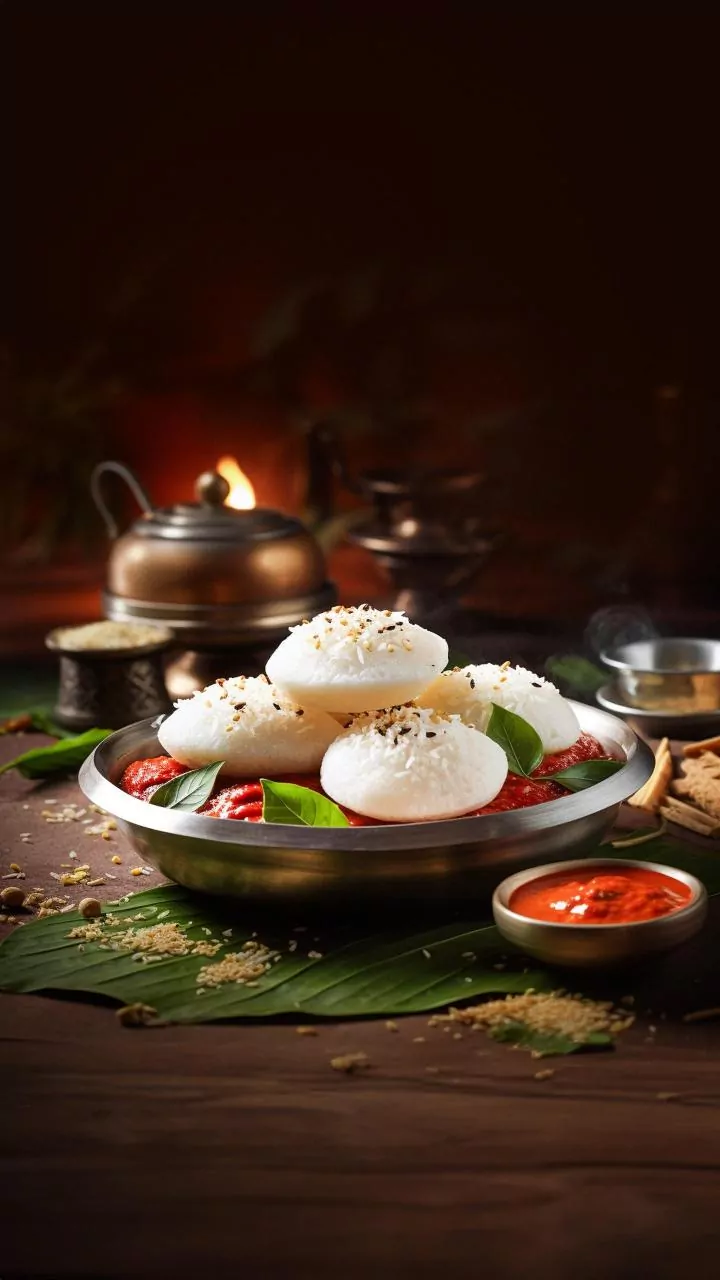


The Magic of Podi Idli
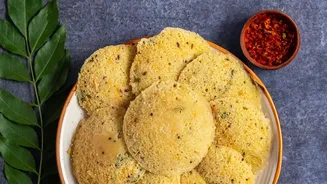
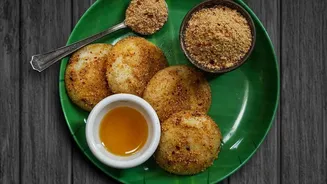
For the uninitiated, Ghee Podi Idli is a beloved South Indian dish that elevates steamed rice cakes from simple to sensational. It involves tossing soft idlis in a fragrant mixture of ‘podi’—a coarse spice powder—and melted ghee. The result is a dish where
every bite is a perfect harmony of soft texture, nutty aroma, and a warm, lingering spice. While often served for breakfast, it’s a versatile and comforting meal that can be enjoyed any time of day, and it has become a popular offering in South Indian restaurants and homes alike. The beauty of the dish lies in its simplicity and the incredible flavour packed into just three core components: the idli, the podi, and the ghee.
Understanding 'Gunpowder' Spice
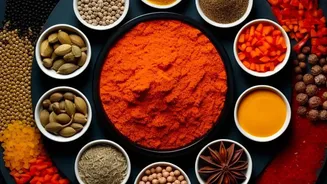
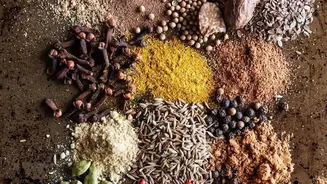
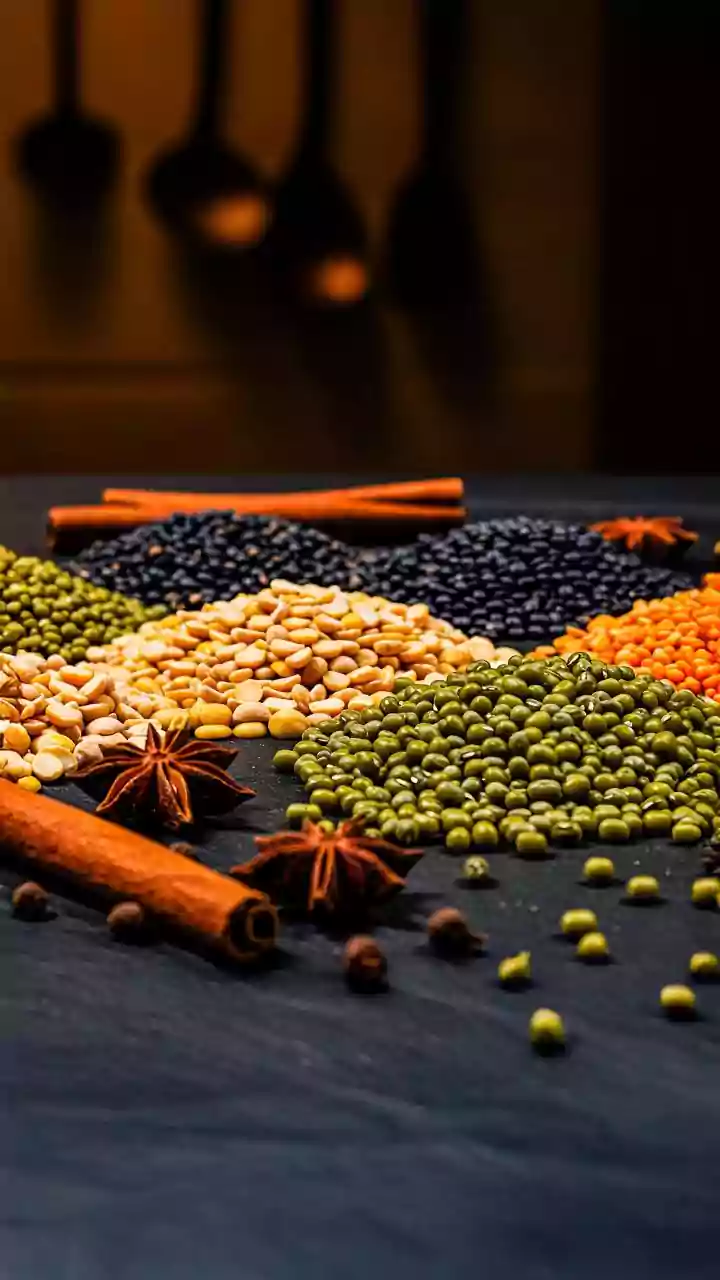
The heart and soul of this dish is the podi, often nicknamed 'milagai podi' (chilli powder) or, more evocatively, 'gunpowder'. This isn't just one spice, but a complex, dry condiment made from a blend of roasted lentils (like urad dal and chana dal), dried red chillies, sesame seeds, and other aromatic spices such as asafoetida and sometimes curry leaves. Each household and region in South India often has its own unique recipe, with some versions including garlic, coconut, or peanuts for added flavour and texture. When roasted and ground, these ingredients create a coarse, reddish-brown powder that is intensely nutty, savoury, and spicy. It’s this powder that gives the dish its signature fiery kick and addictive taste.
The Simple Method of Preparation
Making Ghee Podi Idli is wonderfully straightforward. The most common method involves gently heating pure ghee in a pan until it melts. Then, the idli podi is stirred into the warm ghee, creating a rich, fragrant, and spicy slurry. The idlis—often mini or 'button' idlis for a better coating ratio, though regular idlis cut into bite-sized pieces work just as well—are then added to the pan. They are tossed gently until every piece is evenly coated in the ghee and podi mixture. Some preparations include a preliminary tempering of mustard seeds and curry leaves in the ghee for an extra layer of authentic South Indian flavour before the podi is added. The key is to ensure every idli is generously slicked with the spicy, nutty goodness.
The Key Qualification: It’s All About the Idli’s Texture
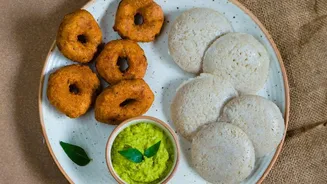
Now for the crucial detail that separates a perfect plate of podi idli from a disappointing, mushy pile: the idlis themselves. The key to a great podi idli is using idlis that are firm enough to withstand tossing. If you use freshly steamed, piping hot idlis, they are often too delicate and soft. When you try to coat them, they are likely to break apart and crumble, resulting in a porridge-like texture instead of distinct, well-coated pieces. This is why many experienced cooks and recipes strongly recommend using leftover idlis. Chilling the idlis in the refrigerator for even just 15-30 minutes helps them firm up considerably. This slight denseness allows them to hold their shape perfectly as they are tossed in the warm ghee and podi, ensuring they get a beautiful, even coating without disintegrating. If you only have fresh idlis, simply let them cool down completely before using them. This simple step is the most important qualification for success.
Perfecting the Final Touches
Beyond the texture of the idli, the quality of your other two ingredients is paramount. Using high-quality, aromatic ghee will make a world of difference, lending a rich, nutty flavour that cannot be replicated with plain oil. While sesame oil is a traditional alternative, ghee’s flavour profile is what makes this dish truly decadent. Similarly, the freshness and coarseness of your idli podi matter. A good podi should be slightly coarse, not a fine powder, to give the dish a pleasant texture. You can find excellent store-bought podi, but homemade versions allow you to control the spice level and freshness. Don't be shy with the ingredients; the goal is a generous coating where the ghee helps the podi cling to every surface of the idli, creating a flavour bomb in every mouthful.