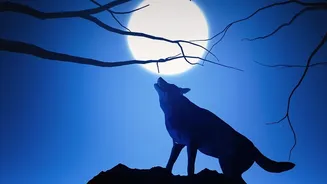







The Great Return
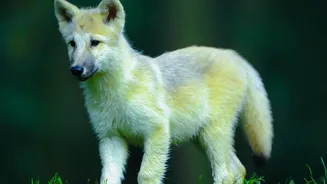
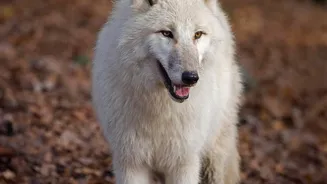
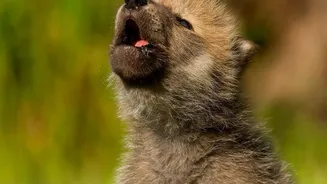
One of the most significant wildlife stories in modern Europe is the return of the wolf. A species once relegated to the remote corners of the continent has reclaimed vast swathes of its ancestral territory. Recent estimates suggest the European wolf population
has surged to over 21,500 individuals, a nearly 60% increase in just a decade. This isn't a story of reintroduction, where animals are brought back by humans. Instead, wolves have expanded on their own, crossing borders and highways from surviving populations in countries like Italy and Poland. Legal protection, established through directives in the 1970s and 90s, was the crucial turning point that allowed the species to recover. Combined with an increase in forest cover and wild prey populations, wolves are now found in nearly every mainland country, with thriving packs in Germany, France, Spain, and beyond.
Old Fears and New Conflicts
The wolf’s return has not been universally welcomed. For many agricultural communities, it revives centuries-old fears. Livestock predation is a real and pressing concern. Across the EU, it's estimated that wolves kill tens of thousands of livestock animals annually, with compensation costs running into millions of euros. These losses, while a small percentage of total livestock numbers, can be devastating for individual farmers who face repeated attacks. This has led to intense sociopolitical debates, pitting conservation goals against the livelihoods of rural communities. Farmers and their advocates argue that the growing wolf population poses an existential threat to traditional farming practices like grazing animals on alpine pastures. The conflict highlights the challenge of balancing ecological recovery with the economic realities of human-dominated landscapes.
A New Kind of Tourism
Amidst the conflict, a new economic narrative is emerging. Enterprising locals and tour operators are reframing the wolf from a liability into an asset. A niche but growing form of ecotourism is taking root, built around the chance to experience these elusive predators in the wild. From the Apennine mountains in Italy to Spain's Riaño Mountains and the forests of Finland, adventure travellers are paying for the possibility of a rare sighting. These are not zoo-like encounters. Responsible wolf tourism is built on uncertainty and respect for the animal. Trips involve tracking footprints, listening for howls, and learning about wolf ecology from expert guides. The sighting itself is a rare prize, but the pursuit provides a powerful connection to the wild.
The Wolf as an Economic Engine
This new tourism model offers a tangible “wildlife dividend” for rural areas. It creates jobs for guides, supports family-run hotels, and brings revenue to local restaurants and shops, often in regions that need new economic opportunities. In Romania, one operator reports that 70% of its revenue stays within local communities, with profits funding conservation work. In Spain's Sierra de la Culebra, an early study found that visitors drawn by wolves spent hundreds of thousands of euros on local accommodation and meals in a single year. This model demonstrates that wildlife and local economies can be linked. The message is shifting from simply “come see a wolf” to “come experience Europe's wild side,” a more holistic proposition that includes culture, food, and scenery.
Coexistence as a Business Model
Ultimately, the future of the wolf in Europe depends on successful coexistence. Tourism is becoming a key part of that equation. By placing a clear economic value on a living wolf, it creates a powerful local incentive for conservation. This approach helps counterbalance the costs of livestock predation and fosters greater social acceptance. Projects across the continent are now integrating tourism with direct conservation action. Some tours contribute a portion of their fees to funds that help farmers invest in protective measures, such as specialised guarding dogs or wolf-proof fences. This turns tourists into active participants in a solution, bridging the gap between conservationists and agricultural communities. It proves that protecting a predator can also mean protecting a way of life, creating a more resilient and diversified rural economy.