




A Tactic for a Crisis
Strategic petroleum reserves are massive stockpiles of crude oil held by countries to safeguard against severe supply disruptions, such as those caused by wars or natural disasters. The most well-known is the U.S. Strategic Petroleum Reserve (SPR), established
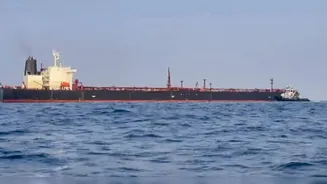
after the 1973 oil embargo to protect the American economy. In response to major market shocks, like the conflict in Ukraine or disruptions in the Strait of Hormuz, governments can release millions of barrels of this reserved oil onto the market. The goal is simple: to increase supply quickly, calm panicked markets, and bring down soaring prices at the pump. These releases are designed as a short-term fix, a way to bridge the gap until normal supply chains can be restored or production can ramp up. They act as a critical buffer, buying valuable time for both policymakers and consumers.
The Short-Term Win
And, for a while, it works. Analysis of major reserve releases, such as the historic 180-million-barrel drawdown by the Biden administration, shows a tangible impact on prices. One U.S. Treasury Department study estimated that coordinated releases lowered the price of gasoline by a noticeable margin, providing direct relief to consumers. By injecting millions of barrels into the global market, these actions can successfully put a lid on price spikes and prevent a temporary crisis from spiralling into a full-blown economic catastrophe. However, experts consistently note that this effect is often modest and, more importantly, temporary. The relief lasts only as long as the reserves are being released, making it a finite solution to what is often a persistent problem.
Why This Matters for India
As a nation that imports over 85% of its crude oil, India is highly sensitive to global price volatility. Every significant price increase directly impacts India's import bill, strains the current account deficit, and puts upward pressure on inflation. While a U.S. or IEA-led release of reserves can offer some indirect relief by cooling global benchmark prices, it is not a direct solution for India's energy security. India maintains its own strategic reserves, but its capacity provides a much smaller buffer compared to IEA recommendations. Recent global disruptions have spurred India to increase its SPR capacity, recognizing that relying on other nations' reserves is not a sustainable strategy. Ultimately, the underlying global supply vulnerabilities that necessitate these emergency releases leave import-dependent economies like India exposed.
The Unsolved Supply Problem
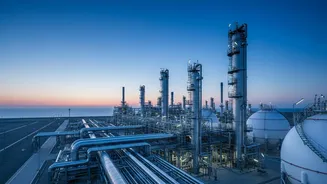
The core issue is that emergency reserves do not create new oil; they simply redistribute existing stockpiles. The fundamental problems that cause supply shocks remain untouched. These include geopolitical instability in key oil-producing regions, underinvestment in new exploration and production, and bottlenecks in refining capacity. Refineries are complex and expensive, and the global capacity to turn crude oil into finished products like petrol and diesel can't be expanded overnight. Furthermore, the transition to greener energy has complicated investment decisions in the traditional oil and gas sector, creating a delicate balance between meeting current demand and planning for a lower-carbon future. These structural weaknesses mean that even after a massive reserve release, the market remains vulnerable to the next shock.
The Search for a Real Solution
Solving the underlying problem requires a shift from short-term crisis management to long-term strategic planning. For oil and gas companies, this involves building more resilient supply chains through diversification, technology, and better risk management. For governments, it means creating stable policies that encourage necessary investment in both traditional energy infrastructure and sustainable alternatives. Diversifying energy sources, improving energy efficiency, and strengthening partnerships with a wider range of producer nations are all critical components of a more robust energy strategy. While emergency reserves will always be a vital tool for managing immediate crises, they cannot substitute for the hard work of building a resilient, diversified, and secure energy future.