






New Eyes on the Poles
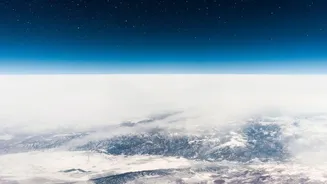
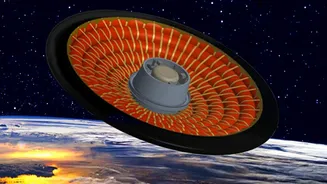
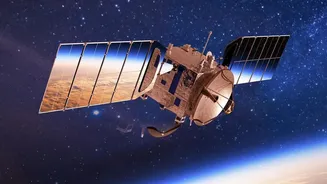
The breakthrough comes from NASA's PREFIRE mission, which stands for the Polar Radiant Energy in the Far-InfraRed Experiment. Since July 2024, two shoebox-sized satellites, or CubeSats, have been orbiting over the Arctic and Antarctic. Their mission is to
measure a specific type of energy that has been difficult to track: far-infrared radiation. This invisible heat is crucial because it accounts for nearly 60 percent of the total energy Earth radiates back into space. Before PREFIRE, this significant part of our planet's energy budget had not been comprehensively measured, leaving a major gap in our understanding of the climate system.
Two Years of Polar Pulses
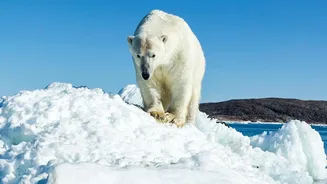
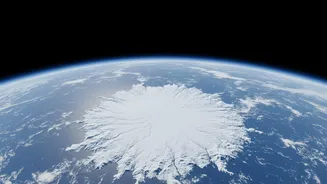
After completing two full years of observation, the mission has created a continuous record of the seasonal temperature swings at both poles. NASA released animations showing the Arctic and Antarctic pulsing between the deep cold of winter and the relative warmth of summer. The data confirms the stark differences between the two regions. In the Arctic summer, temperatures can rise enough to melt tundra and sea ice. In contrast, much of Antarctica, the coldest continent on Earth, remains below freezing even during its warmest months. This two-year milestone provides a baseline for tracking these dynamic systems with a level of detail never seen before.
Why This 'Clearer View' Matters
PREFIRE offers more than just a temperature map. By specifically measuring far-infrared radiation, it helps scientists understand the mechanisms of polar climate change. The data reveals how factors like water vapour, clouds, snow, and ice influence how much heat is trapped versus how much escapes into space. This detailed information is vital for refining climate models. Better models mean more accurate predictions about how fast ice sheets will melt, how much sea levels will rise, and how global weather patterns might shift in the coming decades. The mission has already been extended to continue gathering these critical observations.
The Global Impact of Polar Warming
What happens at the poles does not stay at the poles. For India, the connection is direct and increasingly concerning. Scientific studies have established a strong link between warming in the Arctic and changes in the Indian monsoon. Declining sea ice in the Arctic can alter atmospheric circulation patterns, potentially leading to more extreme rainfall and a westward shift in monsoon activity. Furthermore, the melting of polar ice is a primary driver of global sea-level rise, posing a significant threat to India's extensive coastline and the millions of people who live there. Understanding the precise dynamics of polar heat loss is therefore not just an academic exercise; it is crucial for national security and economic planning.