






The Science of the Calming Pause
When you intentionally hold your breath for a short, comfortable period, you trigger a series of fascinating physiological responses. This practice primarily influences the autonomic nervous system, which has two main branches: the sympathetic ('fight-or-flight')
and the parasympathetic ('rest-and-digest'). The goal of many relaxation techniques is to activate this 'rest-and-digest' system. Slow, controlled breathing with brief holds does this by stimulating the vagus nerve. This nerve is a primary pathway of the parasympathetic system, and activating it helps slow your heart rate, lower blood pressure, and signal to your body that it's safe to relax. The practice also temporarily increases carbon dioxide (CO2) in your blood. While it sounds counterintuitive, learning to tolerate slightly higher levels of CO2 can actually make your breathing calmer and more efficient over time, reducing feelings of breathlessness during stress or exercise.
Potential Benefits Beyond Calm
While the immediate sense of calm is the main draw for many, the benefits don't stop there. Regular, safe practice of gentle breath-holding can contribute to a more resilient nervous system. By consciously moving into a state of mild, controlled stress (the breath hold) and then returning to normal breathing, you are essentially training your body to recover from stress more efficiently. Some research also indicates that these exercises can strengthen your diaphragm and other respiratory muscles, improving overall breathing efficiency. For athletes, controlled breath-hold training is sometimes used to improve fatigue resistance and build mental composure under pressure. However, for everyday wellness, the primary benefit remains its ability to quickly interrupt a stress cycle and ground you in the present moment.
Safety First: The Golden Rules
The calming benefits of breath-holding are only accessible when the practice is kept brief, gentle, and comfortable. The headline's caution is critical: individual tolerance varies widely. Pushing yourself into significant discomfort, dizziness, or panic is counterproductive and potentially risky. Never practice breath-holding exercises in or near water, due to the risk of blacking out and drowning. Always practice in a safe, comfortable position, either sitting down or lying on your back. The sensation of needing to breathe (or 'air hunger') should feel mild and manageable, not like a desperate gasp. If you ever feel lightheaded, dizzy, or distressed, stop immediately and return to normal breathing. The goal is to soothe your nervous system, not to shock it.
A Simple Technique: Box Breathing
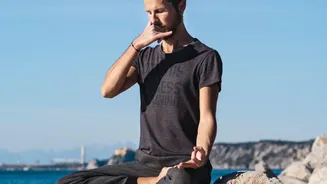
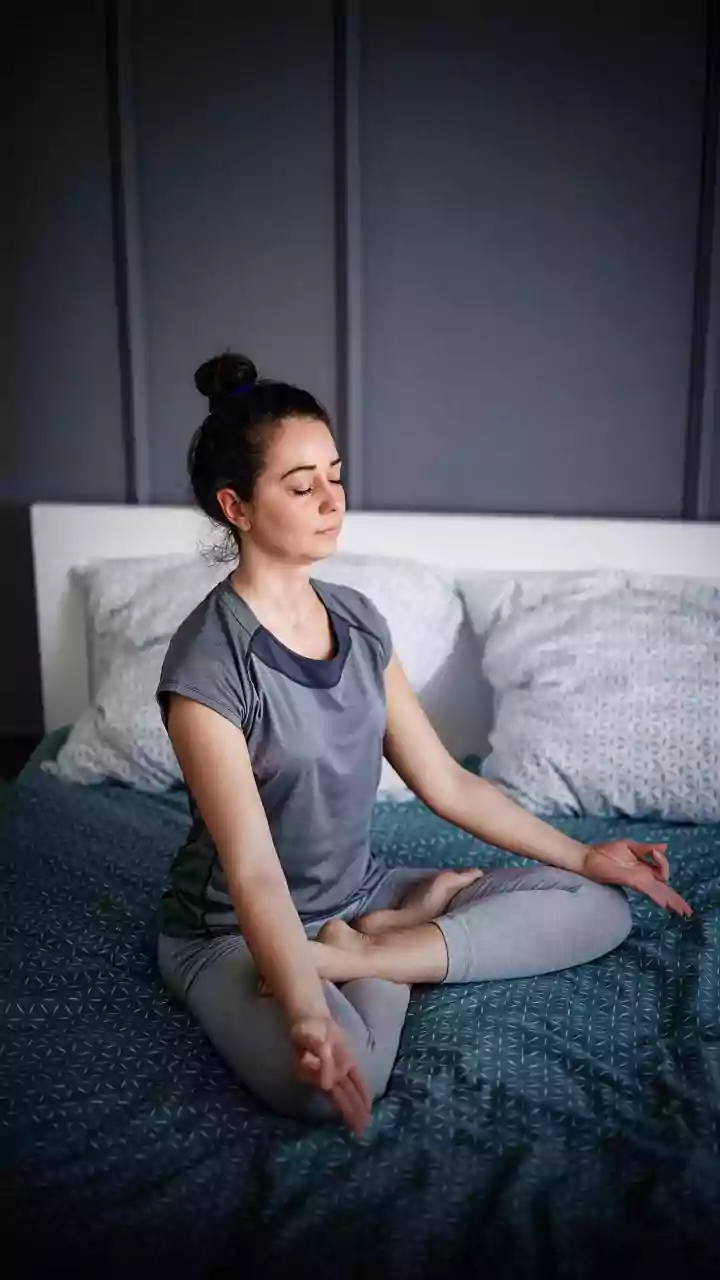
Box breathing, or square breathing, is one of the simplest and safest ways to explore this practice. It's easy to remember because it involves four equal parts, like the sides of a box. Here’s how to do it: Find a comfortable seated position with your back supported. 1. Inhale slowly through your nose for a count of four. 2. Gently hold your breath for a count of four. 3. Exhale slowly and completely through your mouth or nose for a count of four. 4. Hold the breath out for a count of four before beginning the next cycle. Repeat this cycle for a few minutes, focusing on the smooth, even rhythm. If the four-second hold feels too long, shorten it to two or three seconds. The key is to maintain comfort and avoid any strain.
Who Should Be Cautious?
While gentle techniques like box breathing are safe for most healthy individuals, certain people should avoid or be extremely cautious with breath-holding exercises. It is not recommended for individuals who are pregnant, or for those with a history of cardiovascular issues like high blood pressure, heart disease, or stroke. People with respiratory conditions like severe asthma or COPD, epilepsy, glaucoma, or a history of panic attacks or severe anxiety should also be cautious and consult a doctor first. The significant shifts in blood pressure and blood gases can pose risks for these conditions. When in doubt, gentle, slow breathing without the holds is always a safer alternative.