





A Monster Born From Rally
To understand the excitement around a modern tribute, you first have to appreciate the original. The Audi Sport Quattro was born in the 1980s for the infamous Group B rally category, a class so fast and dangerous it was eventually banned. To compete,
manufacturers had to build a limited number of road-going versions, a process called homologation. Audi created the Sport Quattro by taking their revolutionary all-wheel-drive Quattro coupe and drastically shortening its wheelbase to make it more agile. The road car featured a turbocharged five-cylinder engine producing over 300 horsepower, Kevlar body panels, and a uniquely aggressive stance. Driven by legends like Stig Blomqvist and Walter Röhrl, the competition versions, especially the winged S1 E2, became symbols of ultimate performance, cementing Audi's reputation for innovation and dominance.
Enter the Type 859
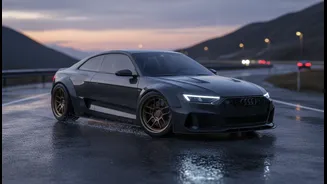
The Type 859 is not an official Audi project but the debut creation from a new German company, HSR Manufaktur, which stands for Homologation Specials Reimagined. It’s a “restomod”—a vehicle that restores a classic car with modern technology. However, instead of sourcing and modifying one of the ~164 original, incredibly rare road cars, HSR starts with a period-correct Audi Coupe B2 chassis. They then shorten the chassis and wrap it in all-new, custom carbon fibre bodywork that evokes the spirit of the Sport Quattro without being a direct copy. The project aims to capture the raw, analogue feeling of the Group B icon while delivering the performance and reliability of a modern supercar.
Carbon Fibre Meets a Modern Five-Cylinder
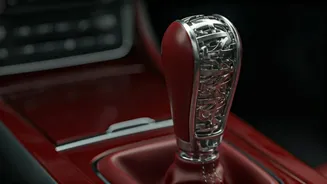
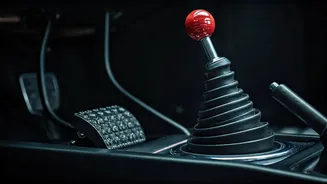
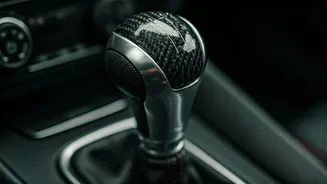
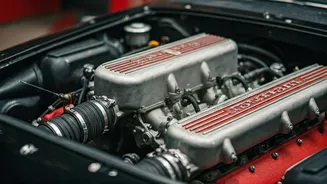
Under the hood lies the heart of the project: a modern 2.5-litre, five-cylinder turbocharged engine sourced from current Audi RS models like the RS 3. HSR heavily reworks the engine to produce between 500 and 600 horsepower, more than the final Group B rally cars had in some specifications. This power is sent through a reinforced six-speed manual gearbox to a permanent all-wheel-drive system with a rear-biased 40:60 torque split, ensuring a dynamic driving experience. The entire car is engineered for low weight, with a target of around 1,200 kg, giving it an incredible power-to-weight ratio. It also features modern upgrades like active suspension, carbon-ceramic brakes, and even an integrated roll cage for safety.
More Than Just a Homage
While the Type 859 is a clear tribute, HSR's stated goal is to create a car that's meant to be driven hard. The company’s philosophy is to provide an “unfiltered connection” and a “visceral sound” that many modern supercars lack. By combining a manual gearbox, a characterful engine, and mechanical all-wheel drive, the Type 859 is an analogue machine for the digital age. HSR has also carefully re-engineered the chassis, slightly stretching the wheelbase relative to the shortened body to correct the original Sport Quattro's reputation for high-speed instability. Despite its hardcore performance focus, it is designed to be road-legal and usable, with modern comforts like air conditioning and infotainment available.
The Price of a Reborn Legend
This level of bespoke engineering and performance doesn't come cheap. HSR Manufaktur plans to build only 84 examples of the Type 859, a nod to the year Audi won the World Rally Championship with the Quattro. The starting price is approximately $570,000 before taxes. Though some early images were noted as renderings, with the company seeking investment to build its first prototype, the project has generated massive buzz. It taps into a growing desire among collectors and enthusiasts for cars that blend iconic design with contemporary performance. The Type 859 proves that while the story of the Sport Quattro began 40 years ago, its spirit is potent enough to be thrillingly reimagined for 2026.