








An Unsettling Exodus
In recent months, reports have emerged that more than 100 scientists and engineers have resigned or taken voluntary retirement from ISRO. While the exact timeframe varies across reports, the trend has been significant enough to trigger an official response.
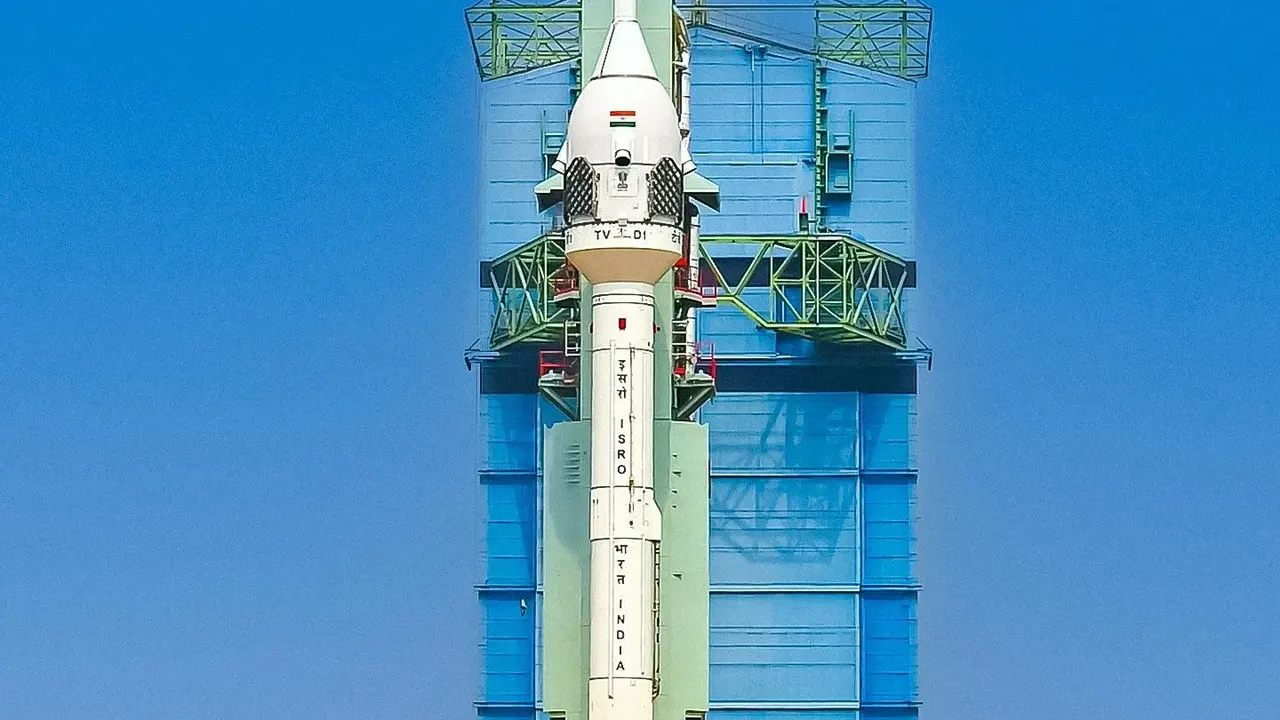
The departures are not just junior staff; they include experienced personnel, some with specialised knowledge from critical national projects like the Gaganyaan human spaceflight mission and Chandrayaan-3. This loss of accumulated expertise has raised concerns about a potential brain drain from India's premier space agency, prompting the Department of Space to tighten its exit rules for those involved in flagship programmes.
The Pull of the Private Sector
The single biggest factor driving this trend is the explosive growth of India's private space industry. Since the government opened the sector to private players in 2020, a vibrant ecosystem of startups has emerged. Companies like Skyroot Aerospace, Agnikul Cosmos, and Pixxel are now developing their own rockets, satellites, and space-based services. These firms are attracting ISRO talent with significantly higher salaries, lucrative stock options, and the promise of faster career growth. An entry-level scientist at ISRO might earn a fraction of what top private companies offer, and for senior scientists, the disparity can be even greater when considering the potential wealth from startup equity.
Beyond the Paycheque
While financial incentives are a major draw, they are not the only reason for the departures. Some scientists point to a desire for greater autonomy and a less bureaucratic work environment. The private sector offers a different culture, where the gap between planning and execution can be much shorter and engineers may have the opportunity to take on leadership roles earlier in their careers. Additionally, some reports suggest that delays in high-profile ISRO missions and an increasingly centralised decision-making process have contributed to a sense of stagnation for some, making the dynamic, fast-paced startup world a more appealing alternative.
The Impact on National Ambitions
The loss of experienced personnel presents a tangible risk to India's ambitious space agenda. Missions like Gaganyaan, which aims to send Indian astronauts into orbit, are incredibly complex and rely on deep, mission-specific knowledge that cannot be easily replaced by new recruits. Losing a scientist who has spent years on a particular subsystem means losing institutional memory that is crucial for ensuring safety and mission success. The Department of Space has acknowledged that the departures have begun to adversely affect the implementation of projects of national importance. While ISRO maintains that its key projects remain on track, the continuity and long-term capacity of the organisation are under pressure.
ISRO’s Challenge to Adapt
In response to the exodus, the government has moved to restrict resignations for personnel working on critical missions, requiring them to get approval from the Department of Space before they can leave. However, many observers note that administrative restrictions alone cannot solve the underlying issues. Forcing unhappy employees to stay may harm morale without addressing the core reasons for their desire to leave, such as pay, culture, and career progression. The situation highlights a fundamental challenge for ISRO: how to compete for elite talent in a market it helped create. The long-term solution will likely require structural reforms, a re-evaluation of compensation structures, and fostering a work culture that can retain the brilliant minds needed to power India's future in space.