


A Land of Ancient Grains
Ethiopia, located in the Horn of Africa, has a rich agricultural history and is considered the origin point for several important crops, including coffee and a variety of unique grains. For centuries, these grains have been the backbone of Ethiopian cuisine,
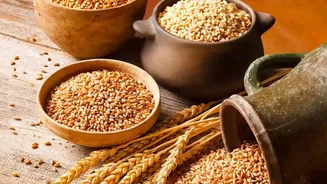
providing sustenance and distinct flavours. Grains like teff, sorghum, and millet are staples, used in everything from the country's famous fermented flatbread to hearty porridges. What makes these grains special is not just their history, but their impressive nutritional profiles and their versatility in the kitchen. Many are naturally gluten-free and packed with protein, fibre, and essential minerals, making them a fantastic addition to any modern diet.
Meet Teff: The Tiny Nutritional Giant
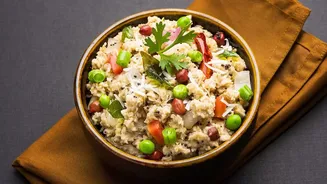
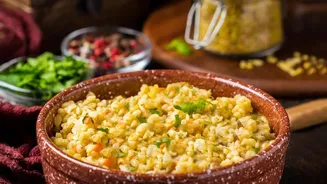
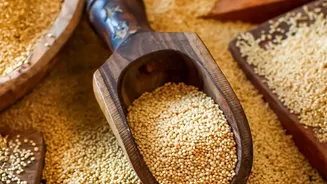
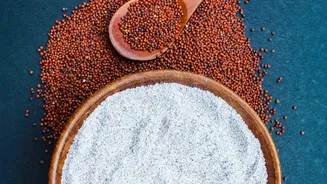
At the heart of Ethiopian cooking is teff, the world's smallest grain. Don't let its size—roughly that of a poppy seed—fool you. Teff is a nutritional powerhouse, boasting high levels of protein, fibre, iron, and calcium. In India, its closest cousin is ragi (finger millet), but teff has its own unique, mildly nutty flavour. It is naturally gluten-free, making it an excellent choice for those with sensitivities. The most famous use for teff is making injera, a spongy, sour fermented pancake that serves as both the plate and the utensil for scooping up delicious stews called 'wats'. While making traditional injera can be a multi-day process, you can easily incorporate teff's benefits. Try cooking the whole grains into a creamy breakfast porridge, which takes only about 15 minutes, or adding teff flour to your regular atta, dosa batter, or baked goods for a nutritional boost.
Sorghum: A Familiar Friend in a New Light
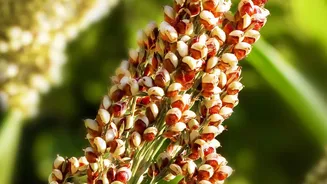
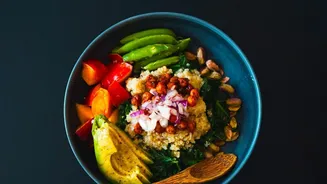
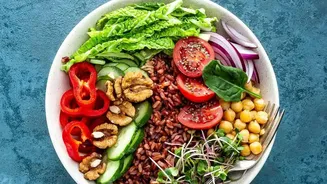
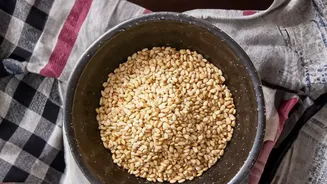
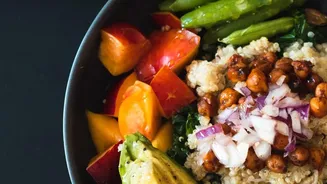
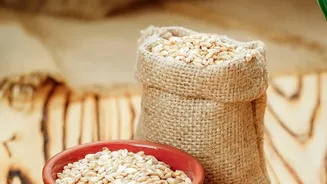
Sorghum, known in India as jowar, is a staple across both countries. However, the way it's used in Ethiopia can offer a fresh perspective on this familiar grain. As one of the most important cereal crops in Ethiopia, sorghum is used to make porridge, beverages, and is also sometimes used in injera, especially in drier regions where it grows well. It's valued for being a drought-resistant crop that's high in protein, iron, and antioxidants. Thinking of it beyond the usual bhakri can open up new possibilities. You can try using jowar flour to create a simple, unleavened flatbread inspired by Ethiopian 'kita', or cook the whole grains like you would rice or quinoa to serve as a base for salads and bowls. You can even pop the kernels like popcorn for a healthy snack.
Simple Ways to Get Started
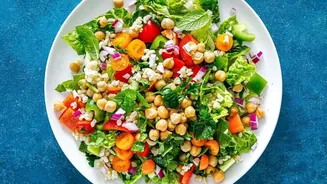
Incorporating these grains doesn't require a complete overhaul of your cooking. Start with small, simple swaps. Add a spoonful of teff flour to your morning oatmeal or smoothie. When making rotis, try substituting a quarter of your regular wheat flour with jowar or teff flour for added nutrients and a slightly different flavour. Whole teff grains can be boiled in about 15-20 minutes and added to salads or used as a side dish instead of rice. Another easy way to start is by making a simple teff porridge. Just boil one part teff with four parts water or milk, simmer for about 15 minutes until it thickens, and top with fruits, nuts, or a drizzle of honey for a wholesome breakfast.