




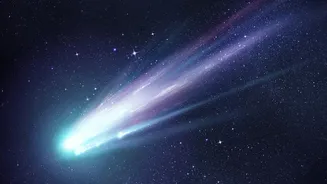
The Image That Sparked The Conversation
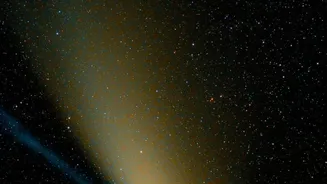
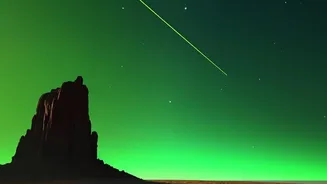
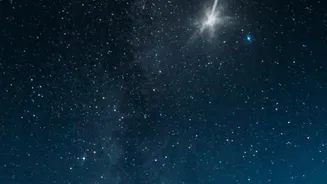
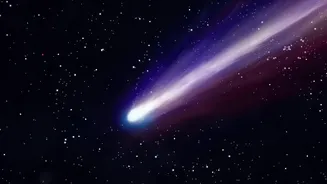
While astrophotographers frequently capture meteors, a recent image featured by NASA has reignited interest in their colourful displays. The image, captured during a long exposure, shows a bright meteor streaking through the sky, its light revealing different
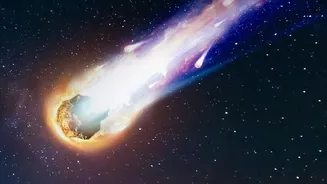
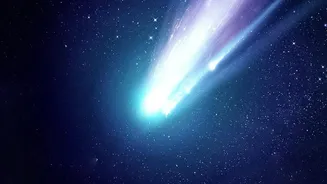
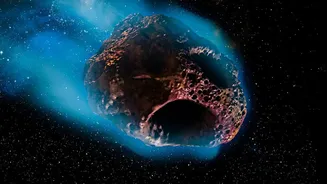
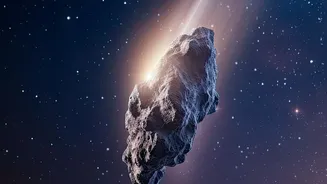
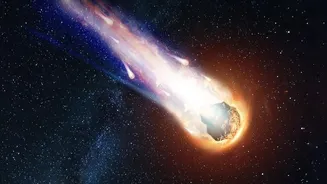
hues along its path. NASA explains that while the intense speed and friction heat the surrounding air, the meteoroid itself vaporises. It's this process of disintegration that releases elements from the space rock, each glowing with a characteristic colour like a cosmic firework. This transforms the way we should see them—not as uniform white streaks, but as unique chemical fingerprints from outer space.
A Rainbow of Cosmic Elements
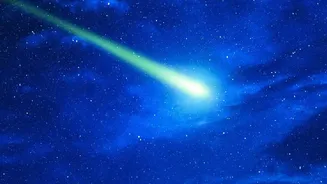
The colour of a meteor provides direct clues to its composition. Much like a flame test in a chemistry lab, different elements burn with distinct colours when subjected to the intense heat of atmospheric entry. The most common colours come from the minerals that make up the meteoroid. A flash of orange-yellow indicates the presence of sodium, while iron tends to produce a distinct yellow glow. If you spot a flash of blue-green, you are likely witnessing magnesium vaporising. Rarer violet or purple hues can be attributed to calcium. Sometimes, multiple elements combine, or are so numerous, that their light merges into a brilliant white streak.
It's Not Just the Rock
The meteoroid itself isn't the only source of colour. The Earth's atmosphere plays a crucial role in this light show. The incredible speed of the meteor—often many kilometres per second—compresses and superheats the air in its path, creating a plasma. The nitrogen and oxygen in our atmosphere, when energised this way, typically glow red. The final colour we see is therefore a combination of the meteoroid's own vaporising elements and the glowing atmospheric gases it excites on its journey. The speed of the meteor can determine which effect dominates; faster meteors often show more colour from their own composition, while slower ones may have a more prominent red glow from the atmosphere.
Decoding Different Meteor Showers
This science becomes particularly fascinating during annual meteor showers. Since meteor showers are streams of debris left behind by a specific comet or asteroid, the meteors within a single shower often share a similar chemical makeup, and therefore, a signature colour palette. For example, the Geminids in December are known for their often greenish-blue tint, a result of their nickel and magnesium content. The Perseids, which peak in August, are known for being fast and bright, often displaying yellow and green hues from their high nickel and magnesium composition. By knowing what to look for, a skygazer can connect the colour of a shooting star to its cosmic parent body millions of kilometres away.
How to Become a Meteor Colour Detective
You don't need a telescope to appreciate this phenomenon. The next time a major meteor shower is active, find a dark spot away from city lights and give your eyes at least 20 minutes to adjust. While the human eye may not perceive colour as vividly as a camera, bright fireballs often display their colours clearly. Pay attention not just to the streak itself but also to any lingering glow, known as a persistent train, which can be caused by interactions between the meteor's vaporised metals and atmospheric oxygen. Knowing that a green flash is a sign of vaporising magnesium or a violet tinge is calcium adds a rich new layer of understanding and appreciation to the simple, beautiful act of watching the night sky.