





The Afternoon Slump and the Biscuit Habit
Around 3 or 4 p.m., our energy levels naturally wane, triggering a craving for a quick pick-me-up. For many in an office environment, biscuits are the default choice. They are easy to store, satisfyingly crunchy, and provide a rapid energy surge. However,
this convenience comes at a cost. Most commercially available biscuits are made with refined flour (maida), loaded with sugar, and contain unhealthy fats. This combination leads to what experts call 'empty calories'—energy without significant nutritional benefits like vitamins, minerals, or fibre. The initial sugar rush is often followed by a sharp crash, leaving you feeling even more tired than before and potentially reaching for another biscuit, creating a vicious cycle.
The Case for the Convenient Fruit Cup
This is where the fruit cup emerges as an unsung hero of office snacking. While fresh fruit is always the best option, it's not always practical for a busy work week; it can bruise easily and has a short shelf life. Fruit cups offer a shelf-stable solution. When chosen correctly, they provide a source of essential vitamins and minerals, like Vitamin C, which supports immune function. The natural sugars in the fruit offer a more sustained energy release compared to the refined sugar in biscuits, helping you avoid that dramatic energy crash. Furthermore, the fruit provides some dietary fibre and hydration, both of which contribute to feelings of fullness and better overall health.
A Nutritional Head-to-Head
Let's compare the two. A serving of two traditional Indian cookies, like nankhatai (around 44g), can contain approximately 200 calories, 12g of fat, and 10g of sugar, with minimal fibre. Similarly, many popular sweet biscuits are high in refined carbs and fats. In contrast, a standard 100g fruit cup packed in its own juice typically contains around 54 calories, negligible fat, and about 10-14g of carbohydrates, primarily from the fruit's natural sugars, along with about 1 gram of fibre. While the sugar content might seem comparable at first glance, the source matters. The sugar in fruit comes packaged with vitamins and some fibre, whereas the sugar in biscuits is often added and provides no other nutritional value. A fruit salad has vastly less saturated fat than a biscuit.
How to Choose the Right Fruit Cup
Not all fruit cups are created equal, and careful label-reading is key. The most important rule is to avoid fruit packed in heavy or light syrup. This is just unnecessary added sugar that negates many of the health benefits. Instead, always opt for fruit cups where the fruit is packed in 100% real fruit juice or, even better, in water. Check the ingredients list for a short, simple roster of fruit and juice or water. Be wary of products with artificial colours, flavours, or chemical preservatives. While the processing to make fruit shelf-stable can slightly reduce the fibre and vitamin content compared to fresh fruit, a well-chosen fruit cup is still a far superior nutritional choice to a processed biscuit.
Elevate Your Snack Game
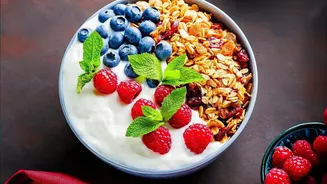
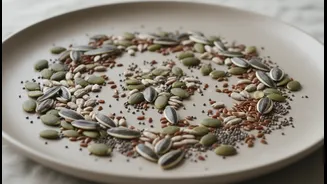
Switching from biscuits to fruit cups is a significant step, but you can enhance the benefits even further. To make your snack more satiating and balanced, consider pairing your fruit cup with a source of protein and healthy fat. If you have access to an office pantry or fridge, you could mix the fruit into a small pot of unsweetened yoghurt. Alternatively, keep a small stash of unsalted nuts and seeds in your drawer. Sprinkling a few almonds or walnuts over your fruit cup adds crunch, healthy fats, and protein. This combination helps to slow down the absorption of sugar even further, providing a steady stream of energy that will comfortably carry you through the rest of your workday.