



Yoghurt: The Probiotic Powerhouse
A staple in many Indian households, yoghurt, or dahi, is an excellent and accessible vegetarian source of Vitamin B12. A single cup of plain yoghurt can provide a significant portion of your daily B12 requirement, with some studies suggesting the fermentation
process may even enhance its absorption. Beyond B12, yoghurt is packed with other crucial minerals. It's famously rich in calcium, which is essential for maintaining strong bones and teeth. It also provides phosphorus, potassium, and zinc, which support everything from energy metabolism to immune function. The live probiotic cultures in yoghurt are an added bonus, promoting a healthy gut, which is crucial for absorbing nutrients effectively from all the foods you eat.
Eggs: Nature’s Multivitamin
Often called nature’s multivitamin, eggs are a nutritional powerhouse that are both affordable and widely available. Two large eggs can provide about 40% of the daily recommended value of Vitamin B12, which is primarily found in the yolk. Eggs are also a fantastic source of high-quality protein, which is vital for muscle repair and maintenance. In the mineral department, eggs deliver iron, essential for preventing anaemia, and selenium, a powerful antioxidant that protects cells from damage. They also contain choline, a nutrient crucial for brain health and nerve function, making eggs a well-rounded choice for any meal of the day.
Fatty Fish: An Ocean of Nutrients
For non-vegetarians, fatty fish is one of the richest natural sources of Vitamin B12. Varieties commonly found in India, like mackerel (Bangda) and rohu, are excellent choices. A 100-gram serving of mackerel can contain several times the daily requirement of B12. Beyond this key vitamin, these fish are celebrated for their high content of omega-3 fatty acids, which are crucial for brain health and reducing inflammation. They are also a great source of selenium and zinc. Including fish in your diet a couple of times a week can significantly contribute not just to your B12 levels but also to your heart and cognitive health.
Lentils and Legumes: The Mineral Giants
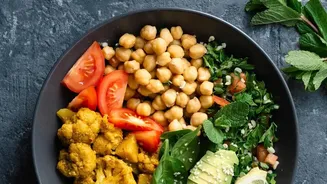
While lentils (dals) and other legumes are not natural sources of Vitamin B12, they are indispensable for their rich mineral content, which is crucial for overall health. Lentils are loaded with iron, making them especially important for vegetarian diets to help prevent iron-deficiency anaemia. They are also an excellent source of zinc, which is vital for immune function and wound healing, as well as magnesium and potassium. To create a balanced meal, it is beneficial to pair mineral-rich lentils with a B12 source, such as a side of yoghurt or a glass of milk. This combination approach ensures you are covering all your nutritional bases.
Fortified Cereals: A Practical Boost
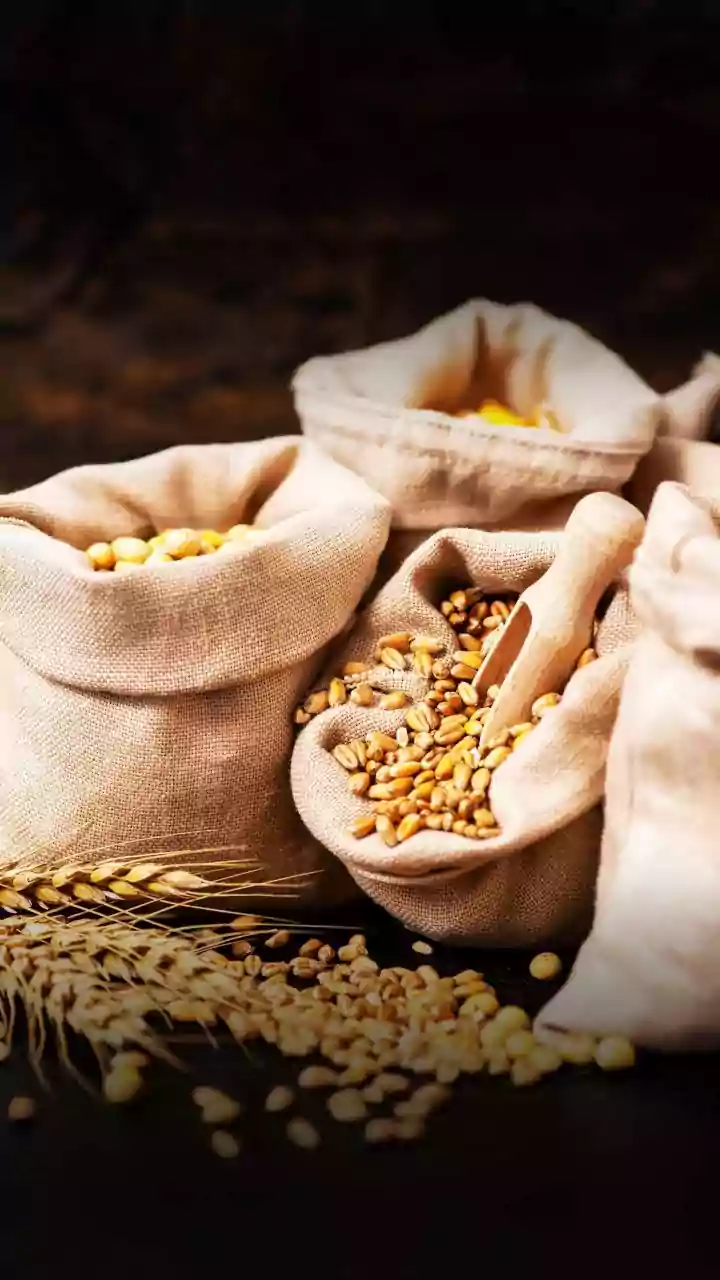
Fortified foods are a reliable and highly effective way to ensure adequate intake of B12, particularly for vegetarians and vegans. Many breakfast cereals, including whole wheat oats and bran varieties, are fortified with Vitamin B12. A single serving can often provide a substantial amount of the daily recommended intake. In addition to B12, these cereals are frequently enriched with other essential nutrients that can be otherwise hard to get, such as iron, folic acid, and Vitamin D. When choosing a fortified cereal, check the label to ensure it is high in whole grains and low in added sugar to maximise the health benefits.