




Start with Foundation and Texture
The secret to a soft, effortless-looking updo begins before you even start twisting your hair. A truly romantic bun needs a good foundation, and that foundation is texture. Hair that is freshly washed and silky smooth is often too slippery to hold a soft shape
and can result in a bun that either falls apart or has to be secured so tightly that it loses its softness. Instead, try styling on second-day hair, which has more natural grit. If your hair is clean, you can mimic this effect by using a texturizing spray or a light dusting of dry shampoo at the roots and through the lengths. This will not only provide better grip and hold but also add a touch of volume, which is essential for creating that airy, unsubstantial quality that defines a romantic updo. Wavy or curly hair naturally lends itself to softer styles, but if your hair is straight, consider adding a few loose waves with a curling iron before you begin. You don't need perfect curls—just enough bend to create movement and prevent the final look from appearing too flat.
Perfect Your Placement and Technique
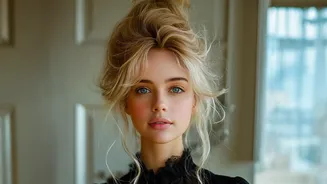
Where you place the bun and how you gather your hair are crucial steps. For a romantic feel, avoid a high, tight, ballerina-style placement. Instead, opt for a low bun at the nape of your neck or a mid-level bun just below the crown of your head. These lower placements inherently feel softer and more elegant. When you gather your hair, do so loosely with your fingers instead of a brush. A brush creates a sleek, severe look, while finger-combing maintains natural texture and prevents the hair from being pulled too tightly against your scalp. Secure the initial ponytail with a hair tie, but don't pull it taut. You should be able to comfortably slip a finger between the elastic and your scalp. Once secured, you can even gently pull on the hair above the elastic to create more volume at the crown. The method for creating the bun itself can also be adjusted. Instead of a perfectly coiled bun, try a 'topsy tail' bun by looping the ponytail through itself, or create a bun from a loose braid to introduce more texture and intricacy.
The Art of the 'Pull-Apart'
Once your bun is secured with bobby pins, the most important step for achieving softness is to gently pull it apart. This is what transforms a simple bun into something more ethereal and voluminous. Using your fingertips, carefully tug at small sections of the bun itself. The goal is to fan it out, increasing its size and creating a looser, more relaxed shape that doesn't look overly constructed. Don't be afraid to make it a little 'messy'; this imperfection is key to the romantic aesthetic. After expanding the bun, turn your attention to the hair around it. Gently pull at the hair at the crown and sides of your head that lead into the bun. This technique, often called 'pancaking', breaks up the severe, slicked-back look and adds softness and dimension all around the style. Be careful not to pull out entire strands, but rather just enough to create gentle bumps and a lived-in feel.
Frame Your Face with Tendrils
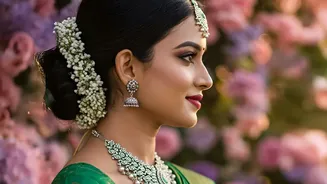
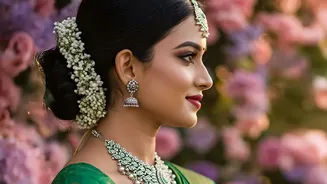
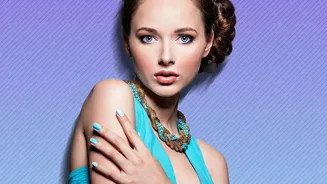
Nothing says 'romantic updo' quite like soft pieces of hair framing the face. A scraped-back style can feel harsh, but leaving out a few tendrils instantly softens the entire look. Before you even begin to gather your hair into a ponytail, decide which pieces you want to leave out. Typically, these are small sections from your hairline around your temples and ears. You can leave out just a few wispy strands for a subtle effect or slightly thicker sections for a more intentional, face-framing look popular in the '90s and early 2000s revival trends. Don't just let these pieces hang straight. If you used a curling iron to prep your hair, give these tendrils a gentle bend as well, so they curve softly around your cheekbones or jawline. This ensures they blend seamlessly with the overall soft aesthetic of the updo. You can use a tiny amount of flexible hold cream or spray to prevent frizz without making them stiff.