




The Rise of a Viral Sensation
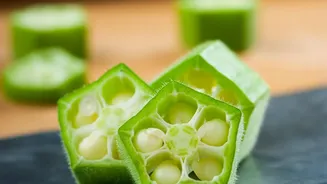
If your social media feeds have been flooded with videos of a thick, gel-like substance being applied to hair and skin, you’ve witnessed the rise of okra water. This viral trend involves soaking chopped okra pods in water for several hours, up to a day,
to create a viscous liquid. Proponents claim this simple concoction is a miracle worker, capable of deeply hydrating skin, soothing irritation, and leaving hair incredibly soft and shiny. The appeal lies in its simplicity and natural origins, tapping into a growing desire for accessible, plant-based beauty solutions that can be made at home.
The Science Behind the Slime
The headline-grabbing “polysaccharide gel” is the key to okra water’s effects. This gel is technically known as mucilage, a thick, slippery substance that okra releases when soaked in water. Polysaccharides are long-chain carbohydrates that are excellent at trapping and holding water. This property makes okra mucilage a powerful natural humectant, meaning it draws moisture into the skin and hair, providing deep hydration. Beyond just hydration, okra is also packed with nutrients. It contains vitamins A, C, and K, along with antioxidants that help fight free radicals, which contribute to signs of aging like fine lines. The vitamin C, in particular, is known to support the body's natural collagen production, a protein essential for skin elasticity and firmness.
More Than a Trend: A Rich History
While okra water might be new to many on TikTok, the use of okra in beauty and wellness is anything but. Okra's origins trace back to Africa, and it was brought to the Americas during the transatlantic slave trade, with enslaved people often braiding the seeds into their hair to carry a piece of their homeland with them. For centuries, it has been a staple not only in cuisine but also in traditional practices. In some African traditions, mashed okra has been used as a soothing face mask. For example, in Zimbabwe, boiled and mashed okra was applied to the face to leave skin hydrated and soft. These historical uses in folk medicine and beauty rituals highlight a long-standing appreciation for the plant's beneficial properties, far predating its current viral fame.
How to Make and Use Okra Water
Creating your own okra water is straightforward. Simply wash and slice a handful of fresh okra pods, place them in a jar with water, and let them soak for anywhere from a few hours to a full 24 hours in the refrigerator. The longer it soaks, the thicker the gel will become. Once it reaches a desired consistency, strain the liquid from the pods. The resulting gel can be used in several ways. For skincare, it can be applied directly to the face as a hydrating toner or a soothing mask for 15-20 minutes before rinsing. For hair care, it works as a fantastic natural conditioner or detangler. Apply the gel to your hair after shampooing, let it sit for a few minutes to half an hour, and then rinse thoroughly for added softness and shine. You can store the fresh gel in the fridge for up to a week.
A Look at the Evidence
So, is okra water a cure-all? While the anecdotal evidence is compelling, scientific research specifically on okra water is still limited. Dermatologists and nutritionists agree that okra itself is a highly nutritious vegetable, packed with vitamins and antioxidants that are beneficial for overall health, which in turn affects skin health. Applying the gel topically can certainly provide temporary hydration and soothing effects due to the mucilage. However, experts caution against viewing it as a miracle solution for complex issues like wrinkles or severe acne. Most of the nutrients are best absorbed by eating the vegetable itself. It's also wise to perform a patch test before applying it to your face, especially if you have sensitive skin, as some people can have mild reactions.