






Deconstructing the 'Superfood' Hype
First, let's get one thing straight: the term "superfood" is a marketing creation, not a scientific one. There is no regulated definition for it. Generally, the label is applied to foods that are rich in desirable compounds like antioxidants or vitamins.
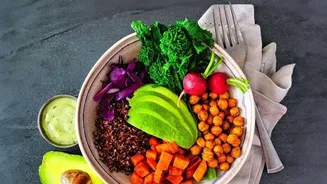
While items marketed as superfoods—like blueberries, salmon, or kale—are indeed healthy, the label can be misleading. It often creates the false impression that you must eat these specific, and often pricey, foods to be healthy. The reality is that no single food can make or break your health. A downside of this hype is that it can blind people to other equally nutritious and more affordable options that aren't as trendy.
The Key: Focus on Nutrient Density
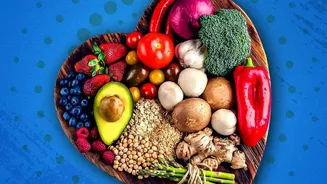
Instead of chasing marketing buzzwords, the key qualification to keep in mind is nutrient density. This simply means choosing foods that provide a high level of nutrients—like vitamins, minerals, and fibre—for a relatively low number of calories. Think of it as getting the most nutritional value for your money and your meal. A diet rich in nutrient-dense foods is strongly associated with a reduced risk of chronic disease. Many of the most humble, everyday foods in an Indian kitchen are incredibly nutrient-dense. The focus should be on building a diet around a wide variety of these whole foods rather than relying on a few hyped-up products. Eating a rainbow of fruits and vegetables is a great way to ensure you're getting a wide array of benefits.
Embrace Local and Seasonal Powerhouses
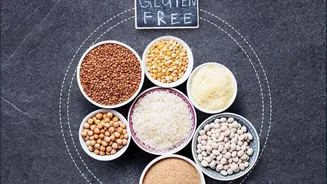
Many popular imported superfoods have local, affordable, and equally potent alternatives in India. For instance, instead of expensive quinoa, you can turn to millets like bajra (pearl millet) and jowar (sorghum), or even amaranth (rajgira). These grains are naturally gluten-free and packed with protein and fibre. Instead of imported kale, embrace the variety of local leafy greens like spinach (palak), fenugreek (methi), and amaranth leaves (chaulai). These are nutritional powerhouses, rich in iron, calcium, and essential vitamins, often at a fraction of the cost. Similarly, amla (Indian gooseberry) is an incredible source of Vitamin C, and moringa (drumstick leaves) is packed with iron and calcium. These have been part of traditional Indian diets for generations for good reason.
The Real Superfoods: Your Pantry Staples
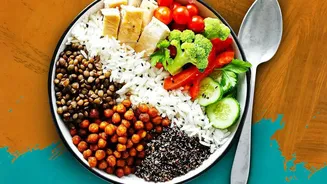
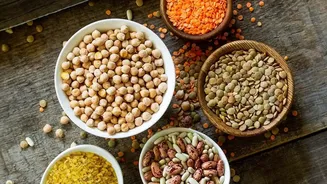
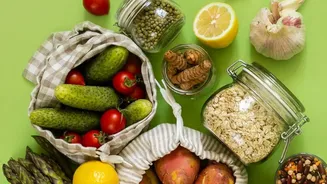
The foundation of a healthy, budget-friendly pantry lies in everyday staples. Lentils and legumes, such as chana (chickpeas), rajma (kidney beans), and various dals (like moong dal), are excellent sources of plant-based protein and fibre. They are filling, versatile, and incredibly affordable. Whole grains like brown rice and whole wheat form the backbone of a balanced diet. Other essentials include eggs and peanuts, which are low-cost, high-protein options. Even common vegetables and seasonal fruits like bananas and guavas provide immense nutritional benefits without a premium price tag. These are the true workhorses of a healthy diet, offering sustained energy and essential nutrients for overall well-being.
Shop Smarter, Not More Expensively
Building a healthy pantry is more about strategy than spending. Start by prioritising whole, unprocessed foods. Ignore flashy front-of-package claims like "reinforced" or "concentrated," which are often used to justify a higher price for products that aren't inherently healthier. A sugary granola bar with a sprinkle of a 'superfood' ingredient is still a sugary granola bar. Instead, get into the habit of reading the nutrition label to understand what's actually inside. Plan your meals around affordable staples like dals, beans, and seasonal vegetables. This approach not only saves money but also encourages a more diverse and balanced diet, which is far more beneficial than focusing on a handful of expensive, trendy items.