




The Navratri 2026 Calendar
Before you book your tickets, get the dates right. Sharad Navratri 2026 begins on Sunday, October 11, and concludes with the final ninth night on Monday, October 19. The grand finale, known as Dussehra or Vijayadashami, falls on Tuesday, October 20. While
these dates are consistent, the style of celebration varies dramatically from state to state, offering a rich tapestry of experiences. Planning ahead is crucial as accommodation and transport fill up months in advance for the most popular destinations.
Gujarat: The Epicentre of Garba
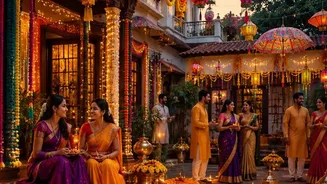
For an immersive dance experience, nothing compares to Navratri in Gujarat. The state transforms into a massive dance floor where thousands, dressed in vibrant 'chaniya cholis' and 'kediyus', participate in Garba and Dandiya Raas every night. Ahmedabad and Vadodara are the two biggest hubs for travellers. Ahmedabad hosts the grand, state-organised Vibrant Navratri Festival at the GMDC Ground, featuring large-scale Garba, food stalls, and cultural shows. Vadodara is renowned for its more traditional Garba circles, with the United Way of Baroda's event being one of the most sought-after. How to Plan: Book flights and hotels at least three to four months in advance. For a first-time visitor, a 4-5 day trip is ideal, allowing you to experience Garba at different venues and explore sights like Ahmedabad's old city or Vadodara's Laxmi Vilas Palace during the day. Renting a cab can be convenient for late-night travel between Garba grounds. Remember that traditional attire is often mandatory for participation.
Kolkata: The Spectacle of Durga Puja
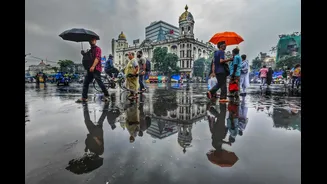
During Navratri, West Bengal celebrates its biggest festival, Durga Puja. The city of Kolkata becomes an open-air art gallery, with thousands of temporary marquees called 'pandals', each housing creatively designed idols of Goddess Durga. Pandal-hopping is the main activity, with each neighbourhood competing to create the most artistic and innovative themes. The atmosphere is electric with drum beats ('dhaak'), devotional chants, and a city-wide culinary feast. How to Plan: Plan your pandal-hopping route by area (North vs. South Kolkata) to manage time effectively. Mornings are less crowded, while nights offer the magic of dazzling light displays. Comfortable footwear is essential, as you'll be doing a lot of walking. While the festival is open to all, be prepared for massive crowds, especially on the final few days. Don't miss trying the local street food, a highlight of the Puja experience.
Delhi: A Medley of Ramlila and Dandiya
Delhi offers a diverse Navratri experience, blending various traditions. The city is most famous for its grand productions of the Ramlila, a dramatic enactment of the Ramayana. The Ramlila Maidan near Old Delhi has been hosting one of the city's oldest and most traditional performances for nearly two centuries, starting with a parade of costumed actors through Chandni Chowk. Alongside these historic plays, you'll find numerous Dandiya and Garba nights organised across the city, catering to a modern, energetic crowd. How to Plan: To witness the most famous Ramlila, head to the grounds at Subhash Maidan or Ramlila Maidan. For Dandiya events, check listings for venues in South Delhi and Gurugram. The city’s efficient metro system is a great way to get around, but be mindful of late-night timings. As a major metropolis, Delhi offers a wide range of accommodation, but booking near a metro station is always a smart choice for convenient travel.
Mysuru: A Royal Dasara Procession
In Karnataka, the festival is known as Dasara (Dussehra) and is celebrated with royal pomp in the city of Mysuru. The 10-day event, known as 'Nada Habba' or the state festival, is a tradition continuing for over 400 years. The highlight is the 'Jamboo Savari' (Elephant Procession) on Vijayadashami (October 21, 2026). A lead elephant carries a 750-kg golden howdah with the idol of Goddess Chamundeshwari through the city streets. Another major attraction is the stunning illumination of the Mysuru Palace with nearly 100,000 bulbs every evening. How to Plan: The main events are the daily palace illumination and the final day's procession. It's essential to book grandstand tickets or an official Gold Card pass for the Jumboo Savari to get a good view and avoid standing in crowded streets for hours. Accommodation gets fully booked, so plan several months ahead. A 3-day trip is sufficient to cover the main highlights, including a visit to Chamundi Hill and the vibrant Dasara exhibition.
Kullu: Dussehra in the Valley of Gods
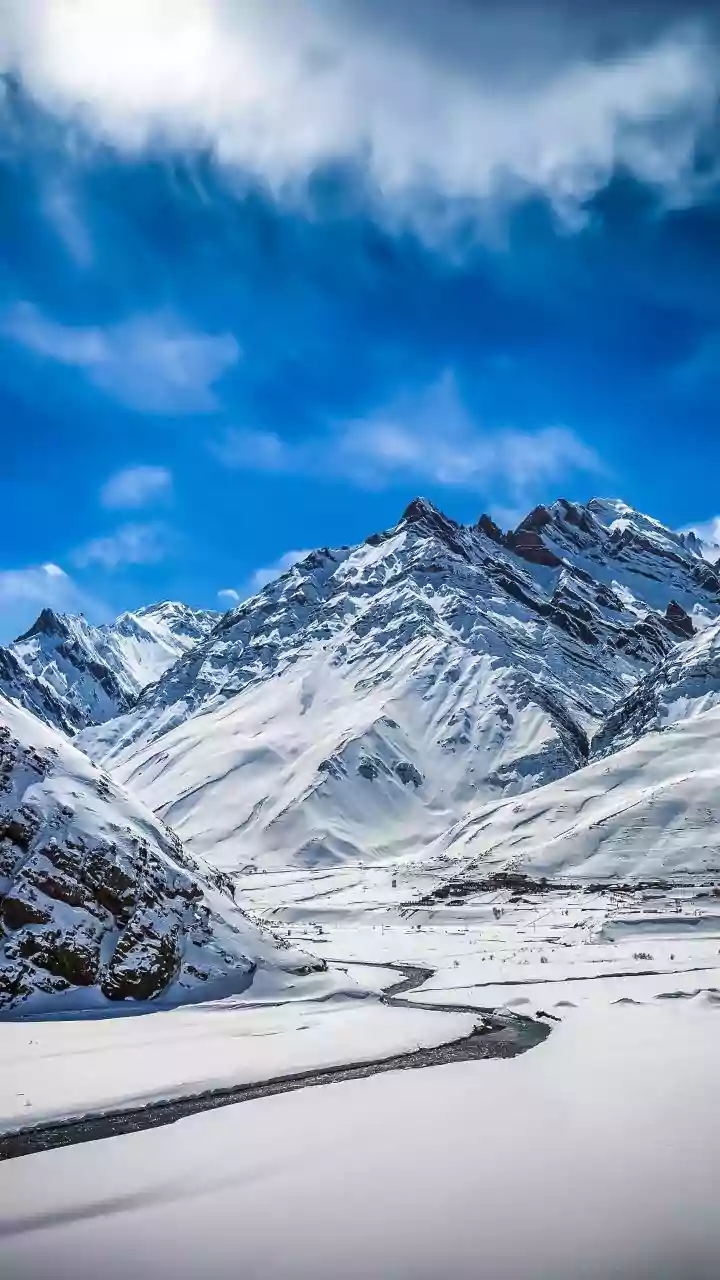
For a completely different flavour of the festival, head to the mountains of Himachal Pradesh for the Kullu Dussehra. Unlike celebrations elsewhere, the festival here begins on Vijayadashami and continues for seven days. It's a unique spectacle where over 300 deities from surrounding villages are carried on ornate palanquins to congregate at the Dhalpur Maidan in Kullu. The festival kicks off with a grand chariot procession of Lord Raghunath, the presiding deity. The event is a vibrant mix of folk music, dance, and a massive fair with local handicrafts. How to Plan: Book your stay in Kullu or nearby Manali months in advance, as the region gets completely sold out. Pack warm clothes, as October nights in the Himalayas are cold. The first and last days of the festival are the most important for witnessing the key rituals. While in the region, you can also explore nearby attractions in Manali.