



The Glow is Real, But It’s on the Surface
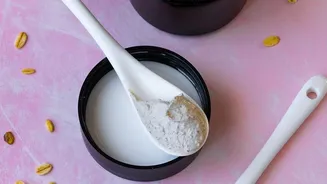
When you apply a mask made from ingredients like yogurt, oatmeal, or papaya, you often see an immediate boost in brightness and softness. This isn't your imagination. Many of these ingredients have properties that deliver a quick, superficial benefit.
For example, the lactic acid in milk and yogurt can provide gentle exfoliation, sloughing off dull, dead skin cells. Similarly, the temporary tightening feeling from an egg white mask is simply due to the drying effect as the protein sets. This immediate result is satisfying, but it doesn't represent a lasting change in your skin's health because these effects are purely on the surface.
The Skin Barrier: Nature’s Bouncer
To understand why DIY masks don't produce long-term results, we need to talk about the skin's primary function: to be a barrier. The outermost layer, the stratum corneum, is expertly designed to keep things out. For an ingredient to make a fundamental change, like boosting collagen or reducing deep-set wrinkles, its molecules must be small enough to penetrate this barrier. Dermatological research often refers to the "500 Dalton Rule," a guideline suggesting that molecules larger than 500 Daltons cannot effectively pass through intact skin. Most food-based ingredients, like the nutrients in a banana or the collagen in gelatin, have molecules that are far too large to make it past your skin's security. They are, quite literally, left on the porch.
The Good, The Bad, and The Irritating
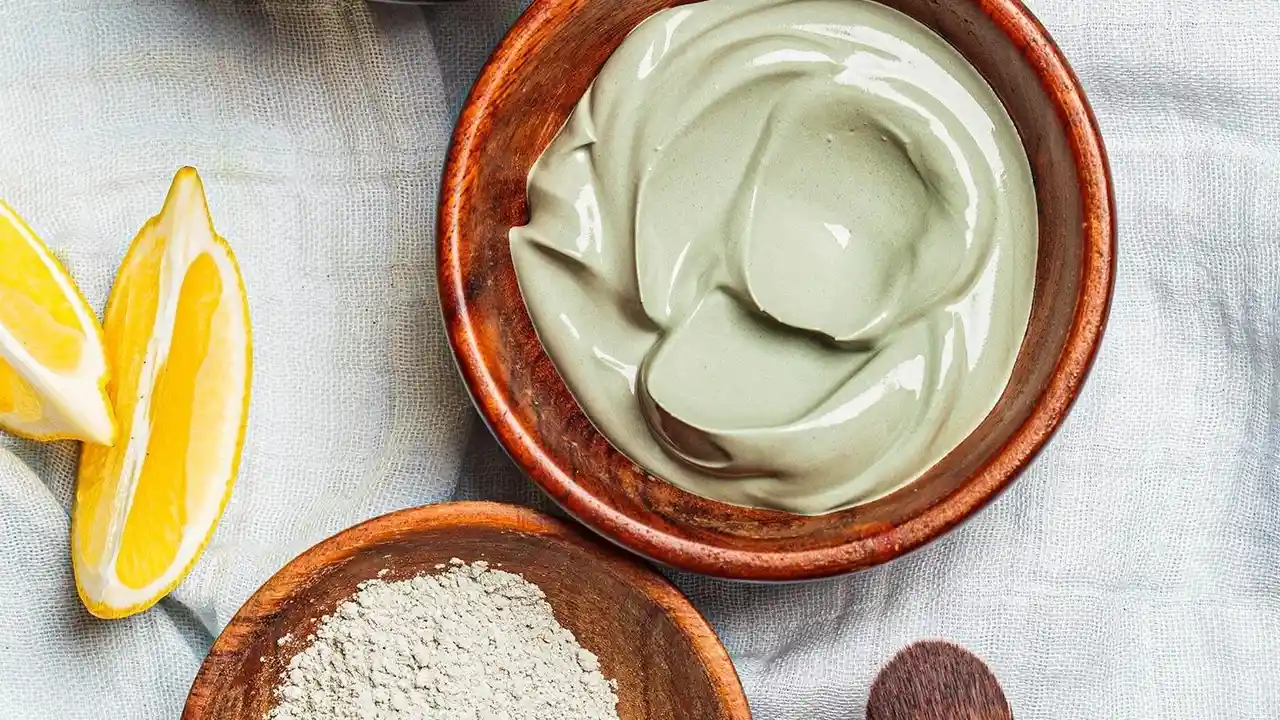
Not all DIY ingredients are created equal, and "natural" doesn't always mean safe. Some kitchen staples do offer modest, safe benefits. Honey is known for its soothing, antimicrobial properties, and oatmeal can be calming for inflamed skin. However, other popular ingredients pose risks. Acidic items like lemon juice can disrupt your skin's pH balance and cause severe sun sensitivity, a reaction known as phytophotodermatitis. Abrasive scrubs made from coffee grounds or unpolished sugar can create micro-tears in the skin, damaging the barrier and inviting bacteria. Without the preservatives used in commercial products, homemade mixtures can also become a breeding ground for bacteria like salmonella if raw eggs are used.
Why Professional Formulas Are Different
The difference between a DIY mask and a professionally formulated product comes down to science and stability. Cosmetic chemists don't just mix ingredients; they formulate them with purpose. They use active ingredients in precise, stable concentrations and ensure the product has the correct pH to be effective without causing irritation. More importantly, professional products often use sophisticated delivery systems and penetration enhancers—ingredients that help shuttle the key actives past the skin barrier to where they can actually work. This ensures that ingredients like Vitamin C or peptides, which are too large or unstable on their own, can deliver their promised benefits. This level of precision and testing is something a kitchen experiment simply can't replicate.