







That familiar, unwelcome pressure of a tension headache can derail an entire day. It often feels like a tight band squeezing your head. Before reaching for medication, a simple, soothing home remedy might offer some gentle comfort.
The Soothing Science of Peppermint
Peppermint has been
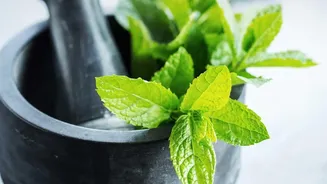
used for centuries for its refreshing aroma and potential health benefits. The key to its soothing power lies in its main active compound: menthol. When applied to the skin, menthol creates a cooling sensation that can help relax tight muscles in the head and neck and may even block some pain signals. While many studies focus on concentrated peppermint oil, a gentle compress made from peppermint tea can provide a similar, albeit milder, effect. The combination of warmth (or coolness), gentle pressure, and the calming aroma offers a multi-sensory approach to easing discomfort from a common tension headache.
How to Make Your Peppermint Compress
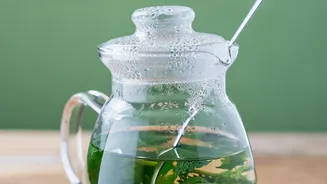
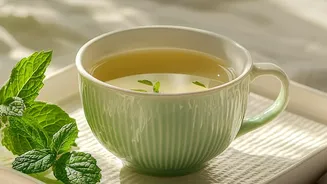
Creating your own peppermint tea compress is simple and requires only a few household items. The goal is to create a moment of calm and relief with minimal fuss. What You'll Need: - 2 to 4 peppermint tea bags (or a few tablespoons of dried peppermint leaves) - Hot water - A bowl - A soft, clean cloth or small towel Step-by-Step Instructions: 1. Place the peppermint tea bags or loose leaves in the bowl and pour hot, but not boiling, water over them. 2. Allow the tea to steep for about 10 minutes to create a strong infusion. 3. Carefully remove the tea bags or strain the loose leaves from the water. 4. Let the tea cool down until it is a safe and comfortable temperature to apply to your skin. It should be warm, not hot. 5. Soak your clean cloth in the infused tea, then wring it out so it is damp but not dripping.
Finding Relief: How to Use the Compress
Once your compress is ready, find a quiet, comfortable place where you can relax without interruption for 15 to 20 minutes. Dimming the lights can also help, as sensitivity to light can sometimes accompany headaches. Lie down and place the damp, warm cloth across your forehead and temples. You can also apply it to the back of your neck, as tension there often contributes to this type of headache. Close your eyes and focus on your breathing, inhaling the gentle peppermint aroma. For some people, a cold compress feels more soothing. If you prefer, you can chill the steeped tea in the refrigerator before soaking the cloth for a cooling alternative. You can alternate between warm and cold compresses to see what works best for you.
When Is a Compress the Right Choice?
This home remedy is best suited for mild to moderate tension headaches—the most common type of headache, often triggered by stress, fatigue, or poor posture. If you feel that familiar, dull, aching pressure begin to build, taking time out for a compress can be a proactive way to manage the discomfort. It is a tool for comfort and relaxation, not a cure for chronic or severe pain. It is not intended as a primary treatment for migraines, which are a more severe type of headache often accompanied by symptoms like nausea, vomiting, and extreme sensitivity to light and sound.
Knowing the Limits: When to See a Doctor
A home compress can be a wonderful self-care tool, but it is not a substitute for professional medical advice. It's important to recognize when a headache might be a sign of something more serious. You should seek immediate medical attention if you experience a headache that is sudden and severe (often described as 'the worst headache of your life'), or if it is accompanied by fever, a stiff neck, confusion, weakness, vision changes, or difficulty speaking. Furthermore, if your headaches become more frequent, more severe, or start to interfere with your daily life, it is important to consult a healthcare provider to get an accurate diagnosis and appropriate treatment plan.