



Catch a Few Shooting Stars
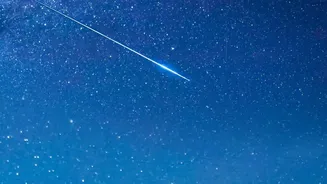
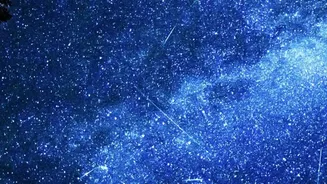
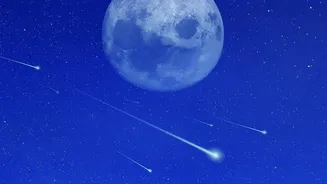
While not as famous as the August Perseids, the September Epsilon Perseid meteor shower offers a great excuse to get outside. This minor shower peaks around September 9th. The best part about this year's event is that it coincides with a nearly new moon,
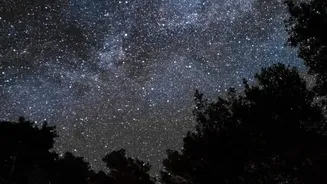
creating exceptionally dark skies for viewing. Although the shower officially produces a modest rate of about five to eight meteors per hour, the lack of moonlight greatly improves your chances of spotting one. For the best view, find a spot away from city lights after midnight, let your eyes adjust for about 20 minutes, and look toward the constellation Perseus in the northeast.
Find the Summer Triangle
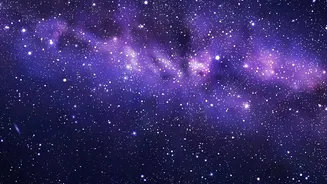
One of the easiest star patterns to spot in the September sky is the Summer Triangle. It's not a constellation itself but an asterism, a prominent pattern of stars. It's made up of three bright stars from three different constellations: Vega in Lyra (the Lyre), Deneb in Cygnus (the Swan), and Altair in Aquila (the Eagle). This giant triangle will be high overhead shortly after dark. Once you locate it, you can use it as a guidepost to explore the surrounding star fields. The Milky Way runs right through Cygnus and Aquila, and even with just binoculars, you can scan this area to see dense fields of stars.
Welcome the Autumnal Equinox
September marks a change of seasons, and the night sky is no exception. The autumnal equinox arrives on September 22nd or 23rd, depending on your time zone. This is the astronomical start of autumn in the Northern Hemisphere, when the Sun crosses the celestial equator heading south. While many think this is the day of equal day and night, that event, called the equilux, actually happens a few days later. The equinox is a great time for stargazers, as it often correlates with an increase in aurora activity at higher latitudes.
Go Planet-Spotting
September is a fantastic month for spotting planets with just your eyes. Throughout the month, the brilliantly bright planet Venus will be visible in the western sky shortly after sunset, reaching its peak brightness for the year on September 22. Yellowish Saturn rises in the east not long after sunset and will be visible for most of the night. If you're an early riser, look to the pre-dawn eastern sky to see the very bright, white Jupiter and the reddish planet Mars. On the morning of September 8th, a thin crescent moon will appear very close to Jupiter, making for a beautiful pairing.
Bask in the Harvest Moon
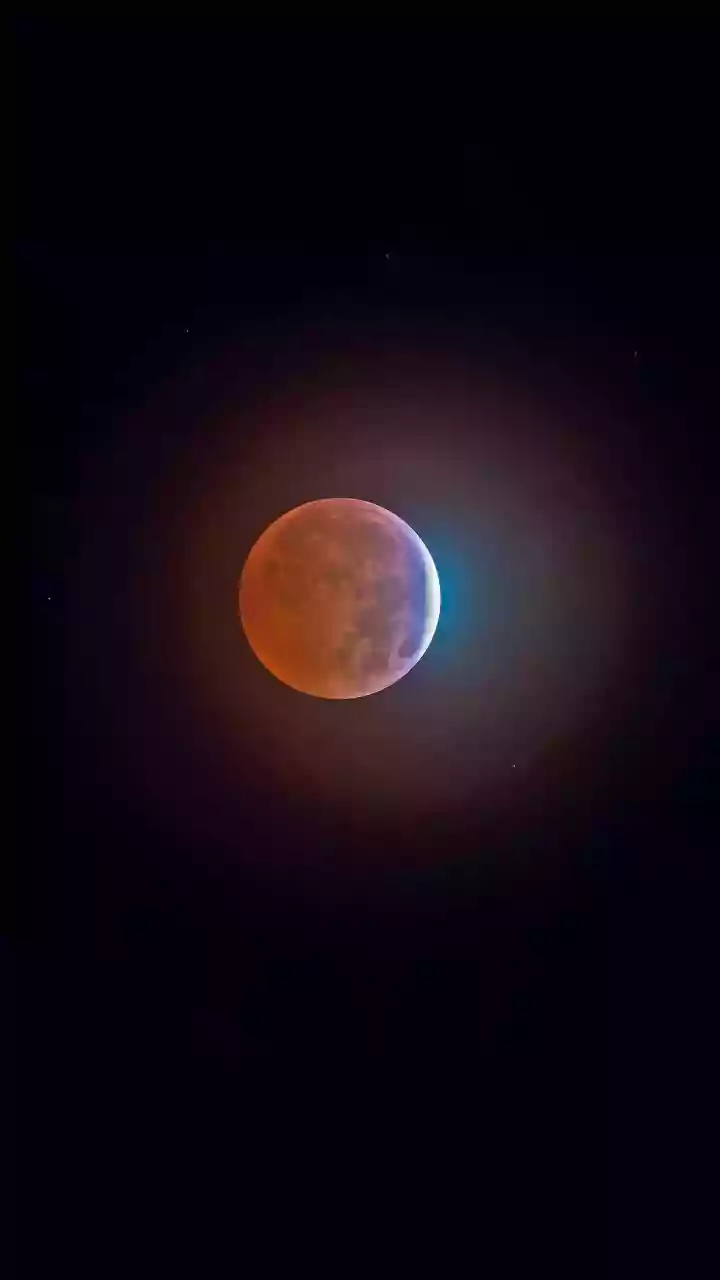
The celestial main event of the month is the full Harvest Moon on Saturday, September 26. This is the name given to the full moon that occurs closest to the autumnal equinox. Historically, its bright light helped farmers harvest their crops late into the evening. What makes the Harvest Moon special is that for several consecutive nights, it rises at nearly the same time—just after sunset—providing a prolonged stretch of bright moonlight. For the most dramatic view, watch the moon rise over the eastern horizon, when it will appear largest and take on a beautiful golden-orange hue.