

Understanding 'Remote Access'
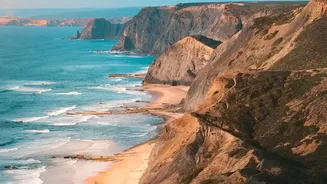
A 'hidden' beach in Portugal usually means it's challenging to get to. Access might involve navigating unmarked dirt tracks, which are best suited for a rental car you're not afraid to get dusty. Others require descending steep, winding trails carved
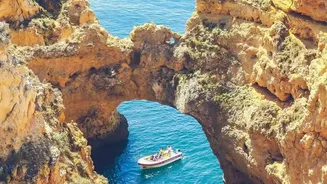
into cliffs, sometimes with loose rocks underfoot. For example, reaching Praia da Ursa near Sintra involves a significant hike down a cliffside path that can be slippery and is considered difficult. Another type of remote access is via tunnels carved through rock, like the one leading to Praia do Carvalho in the Algarve. Finally, some beaches, like Ilha Deserta near Faro, are on islands accessible only by boat.
What to Pack for the Journey
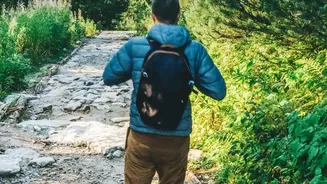
Since these beaches are often unserviced, you must be self-sufficient. There are typically no lifeguards, bathrooms, or restaurants. Your packing list should include sturdy footwear like sneakers instead of flip-flops for the trek down. Ample water and snacks are crucial, as you won't be able to buy anything on-site. A fully charged phone is essential for navigation and emergencies, though be aware that mobile service can be unreliable in such isolated spots. Also, pack sunscreen, a hat, and a small first-aid kit. Since many of these beaches offer little natural shade, an umbrella is a wise addition if you plan to stay a while.
Safety on Unsupervised Shores
The wild nature of these beaches is their main draw, but it also brings risks. The Atlantic Ocean can be powerful, with strong currents and unpredictable waves, even on calm-looking days. Rip currents are a major hazard on the Portuguese coast. If you're visiting a beach with no lifeguard, it's safest to admire the water from the sand. Many remote beaches are backed by cliffs, which can be unstable. Authorities warn of the risk of falling rocks, so it's best to avoid sitting directly underneath them. Always check the tide schedule before you go, especially for small coves that can shrink or become inaccessible at high tide.
Two Gems to Inspire Your Adventure
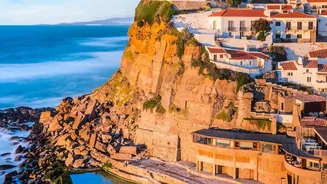
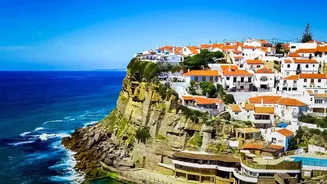
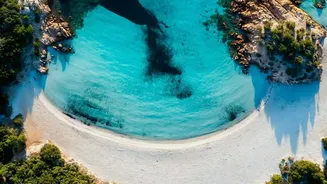
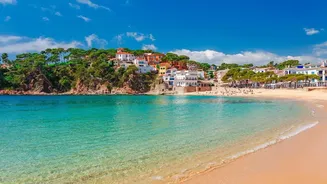
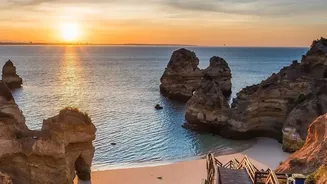
To give you an idea of what awaits, consider Praia da Ursa and Praia do Carvalho. Near Cabo da Roca, Praia da Ursa is famed for its dramatic sea stacks, the 'Bear' and the 'Giant'. Its beauty is protected by a challenging 20 to 30-minute hike that filters out most casual visitors, leaving a raw, wild landscape for those who make the effort. In the Algarve, Praia do Carvalho offers a different kind of thrill. You access this sheltered, golden-sand cove by walking through a man-made tunnel in the limestone cliffs, emerging into what feels like a secret paradise perfect for swimming in its clear, calm waters.
Leave No Trace: Protecting Paradise
The untouched beauty of these locations is fragile. Adhering to 'Leave No Trace' principles is essential to preserve them. This means packing out everything you pack in, including all trash and food scraps. Avoid walking on fragile dunes and stick to established paths to prevent erosion. Leave natural objects like shells and rocks where you find them so others can enjoy them. If you build sandcastles or dig holes, fill them in before you leave, as they can be hazards for wildlife and other visitors. By being considerate, you help ensure these hidden spots remain pristine for years to come.