




Why Coconut is a Fasting Favourite
Coconut is more than just a flavour enhancer; it's a nutritional powerhouse, making it particularly beneficial during fasts when energy levels can dip. The fruit's meat is rich in healthy fats, specifically medium-chain triglycerides (MCTs), which the
body can quickly convert into energy. This provides a sustained fuel source, helping to stave off the fatigue that can accompany a restricted diet. Furthermore, its high fibre content aids in digestion and promotes a feeling of fullness. In many Hindu traditions, the coconut is considered a pure or 'satvik' offering, symbolic of prosperity and selflessness, which explains its deep-rooted presence in religious and festive cooking. Its natural sweetness and rich texture can elevate simple ingredients, making fasting meals more satisfying and enjoyable.
The Sweet Side of Vrat
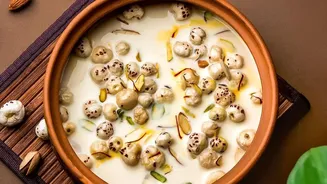
When it comes to sweet dishes for fasting, fresh coconut is indispensable. One of the simplest and most popular treats is the Coconut Laddoo. Often made with just freshly grated coconut, condensed milk or jaggery, and a hint of cardamom, these little spheres are energy-dense and incredibly delicious. Another classic is coconut barfi, a fudge-like sweet where grated coconut is cooked with milk and sugar until it thickens, then set and cut into squares. For those seeking a creamier dessert, coconut finds its way into kheer. It can be added to makhane (fox nut) kheer to provide a lovely textural contrast or used to create a coconut-milk based pudding with vrat-friendly grains like samai (little millet). These sweets are not just about indulgence; they provide quick energy and comfort during the fast.
Savoury Sensations with a Coconut Twist
On the savoury front, fresh coconut proves equally versatile. A classic vrat-friendly accompaniment is a simple coconut chutney. Made by blending fresh coconut with green chillies, rock salt (sendha namak), and perhaps some peanuts or yogurt, it pairs perfectly with dishes like sabudana vada or dosa. Many cooks also finish their Sabudana Khichdi with a generous sprinkle of freshly grated coconut. This not only adds a subtle sweetness and a delightful chewiness that complements the soft sago pearls but also adds richness to the dish. For a more substantial meal, coconut milk can form the base of a creamy curry, simmered with vrat-friendly vegetables like pumpkin or sweet potato, and lightly spiced with cumin and green chillies.
Tips for Perfect Preparation
To get the most out of this ingredient, using fresh coconut is key. While desiccated coconut is convenient, it lacks the moisture and rich, milky flavour of its fresh counterpart. When buying a whole coconut, choose one that feels heavy for its size and sounds full of water when you shake it. To prepare it, you can grate the white flesh by hand using a traditional Indian grater or carefully chop it into small pieces and pulse it in a food processor for a coarser texture. Freshly grated coconut can be stored in an airtight container in the refrigerator for a few days or frozen for longer use. This ensures you always have some on hand to liven up your fasting menu, whether you're making a quick chutney or a celebratory sweet.