







Tired of the treadmill and the familiar four walls of the gym? Trading your indoor routine for the unpredictable beauty of a nature trail might be the refresh your body and mind need. Here’s a practical look at making that rewarding switch.
More Than Just a Workout
The first thing
to appreciate is that hiking is more than a simple substitute for the elliptical. While a gym provides a controlled environment, nature offers a dynamic, holistic experience. Research shows that exercising outdoors can reduce stress, calm anxiety, and lower the risk of depression. The varied sights, sounds, and smells of a forest trail engage your senses and can boost your mood, creativity, and focus in ways a repetitive indoor workout cannot. Studies have found that walking in a natural setting reduces activity in the part of the brain linked to repetitive negative thoughts, helping you feel calmer and more resilient. This 'green exercise' effect combines the endorphin release of physical activity with the restorative qualities of nature, making the effort often feel less demanding than it would indoors.
From Treadmill to Trail
Transitioning from a flat, predictable treadmill to a rugged trail requires a physical adjustment. Trail hiking engages more muscle groups simultaneously. The uneven terrain challenges your stabiliser muscles, core, and sense of balance in a way that gym machines don't. While an indoor workout might focus on isolated muscle groups or steady cardio, hiking is a whole-body workout that builds functional strength and endurance. Inclines target your glutes and quads, while descents test your balance and control. It's important to start slow. Your cardio fitness from the gym is a great foundation, but your joints and smaller muscles will need time to adapt to the new demands of navigating rocks, roots, and shifting ground.
Gearing Up for the Path Ahead
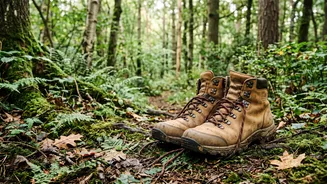
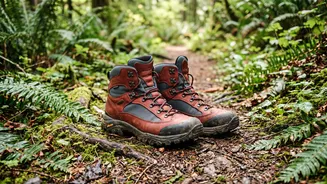
Unlike the gym where equipment is provided, hiking requires some personal gear. But you don't need to spend a fortune to get started. The two most critical items are proper footwear and a comfortable backpack. Invest in a pair of trekking shoes with good grip and ankle support; never wear a brand-new pair on a long hike without breaking them in first to avoid blisters. A small backpack (15-20 litres) is perfect for day hikes to carry essentials. Dress in layers using moisture-wicking fabrics rather than cotton, which holds sweat and can make you cold. A lightweight fleece for warmth and a waterproof outer jacket are key pieces of a modular clothing system that lets you adapt to changing weather.
First Steps and Staying Safe
Your first hike should be about enjoyment, not conquering a mountain. Choose a well-marked, beginner-friendly trail. Research the trail's distance, difficulty, and expected duration before you go. Always check the weather forecast and be prepared to turn back if conditions worsen. For safety, let someone know your itinerary and when you expect to return. Essential items in your pack should always include more water than you think you'll need, some energy-rich snacks, a basic first-aid kit, a fully charged phone, and sun protection. Stay on the marked trail to protect the natural environment and to avoid hazards like unstable terrain or encounters with wildlife. Finally, pace yourself, take breaks, and listen to your body.