






The Unpredictable Monsoon
The monsoon is no longer the reliable phenomenon it once was. Scientific studies confirm that while the total volume of rain might remain similar, its nature has changed dramatically. We are seeing fewer rainy days, but when it does rain, it pours. Research
indicates that for every degree Celsius of global warming, monsoon rainfall is likely to increase by about 5%, leading to more intense, concentrated downpours. This shift means the slow, steady absorption of water into the ground is replaced by flash floods and rapid runoff, which is less useful for replenishing vital groundwater resources. The timing is also off; delayed monsoons, false starts, and prolonged dry spells are becoming the new norm, disrupting everything from sowing seasons to urban water supplies.
A New Map of Wet and Dry
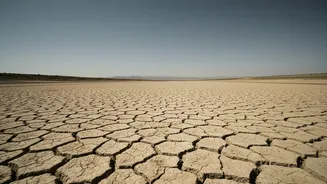
This chaotic rainfall is redrawing India's climate map. Traditionally wet regions like the northeast are experiencing a decline in monsoon rainfall and more frequent droughts. At the same time, historically arid areas in northwest India, such as Gujarat and Rajasthan, are witnessing a surprising increase in convective activity and extreme rainfall events, leading to floods. This geographic shift creates a double-edged crisis: some of the country's most vital agricultural belts in the Indo-Gangetic Plain are becoming drier, while other areas are unprepared for sudden deluges. Cities like Chennai and Mumbai highlight this paradox, facing severe water scarcity and cuts one year, despite significant annual rainfall, because the rain falls in destructive, unusable bursts.
Impact on Farms and Cities
The consequences of this new geography are being felt across the nation. For India’s farmers, who depend heavily on monsoon rains, the unpredictability is devastating. Untimely rains disrupt crop cycles, with crucial sowing months like June and July seeing less rain, while October experiences an increase, which can damage harvest-ready crops. This volatility threatens food security, as too much rain at the wrong time can be just as harmful as a drought. In urban areas, the problem is twofold. Intense downpours overwhelm outdated drainage systems, causing widespread flooding. Simultaneously, the lack of sustained rain means reservoirs aren't replenished, leading to severe water shortages that impact millions.
Adapting Our Water Strategy
Clinging to old water management plans is no longer an option. Experts argue that India's strategy must evolve to address the problem of timing, not just quantity. This means moving away from a sole reliance on large dams and canals towards more localised and flexible solutions. Key strategies include reviving and creating traditional water bodies, which act as natural recharge systems. Promoting rainwater harvesting at a community level, improving groundwater recharge through check dams and percolation pits, and investing in efficient irrigation techniques like micro-irrigation are essential. Integrating surface and groundwater management is also critical to buffer against rainfall shocks.
From Policy to People
Ultimately, building a water-resilient India requires a multi-pronged approach that involves government, industry, and individuals. National policies like the Jal Shakti Abhiyan are targeting water-stressed districts, but their success depends on effective implementation and community participation. There is a need to downsize overlapping government water organisations and create a more streamlined system for data collection and sharing. Alongside large-scale infrastructure projects, empowering local communities through initiatives like Maharashtra's Paani Foundation demonstrates how grassroots efforts can rejuvenate water sources. The goal is to create a system where water is managed efficiently from the national level right down to the individual household, ensuring that every drop is used to its fullest potential.