







A New Way to Measure Nourishment
For decades, the global fight against hunger was measured in calories. The primary question was whether people had enough food to meet their basic energy needs. But the Food and Agriculture Organization of the United Nations (FAO) is now championing a more
sophisticated approach with its Cost and Affordability of a Healthy Diet (CoAHD) indicator. This metric shifts the conversation from simply having enough food to having the right food. It calculates the cost of the least expensive, locally available foods needed to meet science-backed dietary guidelines for a healthy and active life. Instead of just tracking hunger, CoAHD measures economic access to genuine nourishment, providing a far more accurate picture of a nation's nutritional well-being.
Why Calories Aren't the Whole Story
A diet can be high in calories but disastrously low in essential nutrients. Think of a meal consisting only of rice or bread versus one that includes dal, vegetables, fruits, and dairy. While both might fill you up, only the latter provides the proteins, vitamins, and minerals necessary to prevent stunting in children, fight diseases, and support a productive life. The old way of measuring food security could mask a serious problem: a population that is not technically starving but is chronically malnourished. The FAO's focus acknowledges this gap, recognizing that unhealthy diets are a leading driver of non-communicable diseases like diabetes and heart conditions. This new metric forces us to confront the reality that food security is not just about quantity, but about quality.
What's in a 'Healthy Diet' Basket?
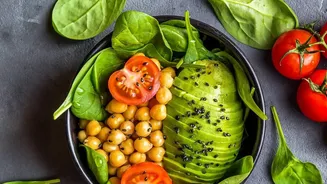
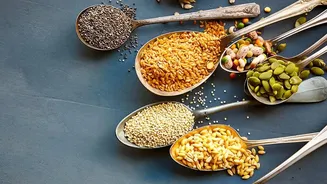
So, what does the FAO consider a healthy diet? It’s not about exotic superfoods. The model is based on a diverse basket of foods from six essential groups: starchy staples (like rice or wheat), legumes, nuts, and seeds (like dals and peanuts), animal-source foods (including dairy, eggs, and fish), fruits, vegetables, and healthy oils and fats. The goal is to create a diet that is adequate in energy (around 2,330 kcal per day), balanced, diverse, and moderate. It reflects a pattern of eating that supports healthy growth and an active life while reducing the risk of diet-related illnesses. By pricing out this basket of essential items in local markets, the FAO can determine the minimum daily cost for a person to eat healthily.
The Sobering Reality for India
When this powerful metric is applied to India, the findings are stark. According to a 2023 FAO report, an astonishing 74.1% of the Indian population was unable to afford a healthy diet in 2021. While this figure showed a slight improvement from 76.2% in 2020, it still represents a vast majority of citizens. More recent analysis from September 2025, using a more precise methodology, revised this figure to 40.4%—still a staggering number, equating to roughly 60 crore people. This data highlights a critical disconnect: even when basic grains are available, often through the Public Distribution System (PDS), the cost of supplementary nutritious foods like pulses, vegetables, fruits, and dairy puts a complete, healthy diet out of reach for hundreds of millions.
A New Compass for Policymakers
This shift in measurement from calories to cost has profound implications for policy. It suggests that India's fight against malnutrition cannot be won through grain subsidies alone. FAO's Chief Economist, Maximo Torero Cullen, has urged India to move beyond its cereal-dominated model, a legacy of the Green Revolution, and invest in diversifying agriculture towards pulses, fruits, and vegetables. Making these nutrient-dense foods more available and affordable is key. The CoAHD data acts as a compass, pointing policymakers towards the need for a more holistic approach. This includes reappraising social safety nets, strengthening supply chains for fresh produce, and implementing policies that help raise rural incomes so that families can afford to buy the nutritious food they need.