






The Myth of the Cold Bath
In a desperate attempt to bring a high temperature down, many people turn to an ice-cold bath or shower. It seems logical—fight heat with cold. However, medical experts strongly advise against this. Plunging a feverish body into cold water can cause a shock
to the system, triggering intense shivering. While shivering is the body's natural way of warming up, in this case, it's counterproductive. The muscular contractions from shivering actually generate more internal heat, potentially causing the core body temperature to rise even higher. Furthermore, cold water causes the blood vessels near the skin's surface to constrict, which traps heat inside the body instead of allowing it to escape.
The Gold Standard: Lukewarm Water
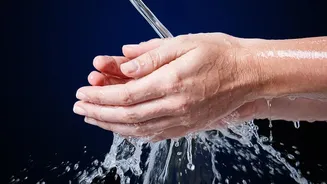
The consensus among healthcare professionals is to use lukewarm or tepid water for a bath or sponge bath during a fever. The ideal temperature is generally considered to be between 85-95°F (around 29-35°C). This temperature feels comfortably warm, but is slightly cooler than a feverish body. A lukewarm bath works by helping the body cool down gradually and gently through evaporation, without the shock of cold water. It soothes and provides comfort, which is the primary goal of bathing during a fever, rather than drastically lowering the temperature. The aim is not to cure the fever with water, but to make the person feel better while their body fights the underlying illness.
A Practical Guide to Fever Bathing
If you or a loved one is feeling uncomfortable due to a fever, a short bath can provide significant relief. Keep the bath or shower brief, ideally around 5 to 10 minutes, as prolonged immersion can lead to fatigue. For adults who feel dizzy or weak, a seated shower or a sponge bath might be a safer option. When giving a sponge bath, focus on areas with high blood flow like the forehead, neck, and armpits. For children, it's especially important to ensure the water is lukewarm, never cold. Stop the bath immediately if shivering starts. After the bath, gently pat the skin dry and dress in light, breathable clothing to prevent overheating.
When to Bathe and When to Reconsider
A bath is a supportive measure, not a primary treatment for fever. It's best used as a tool for comfort, especially after taking fever-reducing medication like paracetamol or ibuprofen, if needed. Some guidelines suggest waiting about 30 minutes after giving medicine before trying a bath. However, bathing should be avoided if the person is extremely weak, dizzy, confused, or too drowsy to be safe in the water. In many cases, especially for children, medical experts now emphasize that the child's comfort level is more important than the number on the thermometer. If a child finds the bath distressing, it's better to skip it. The main treatments for fever remain rest, hydration, and appropriate medication as advised by a doctor.
Beyond the Bath: Holistic Fever Care
While a comfortable bath can help, it's just one piece of the puzzle. Managing a fever effectively involves a holistic approach. Ensuring adequate fluid intake is crucial, as fever can lead to dehydration. Water, clear broths, and electrolyte drinks are all good options. Dressing in light layers of clothing allows excess heat to escape. Rest is non-negotiable; the body needs energy to fight off whatever infection is causing the fever. Over-the-counter medications can be effective, but it's important to use the correct dosage and consult a doctor, especially for children, the elderly, or those with underlying health conditions. Aspirin should not be given to children due to the risk of a serious condition called Reye's syndrome.