
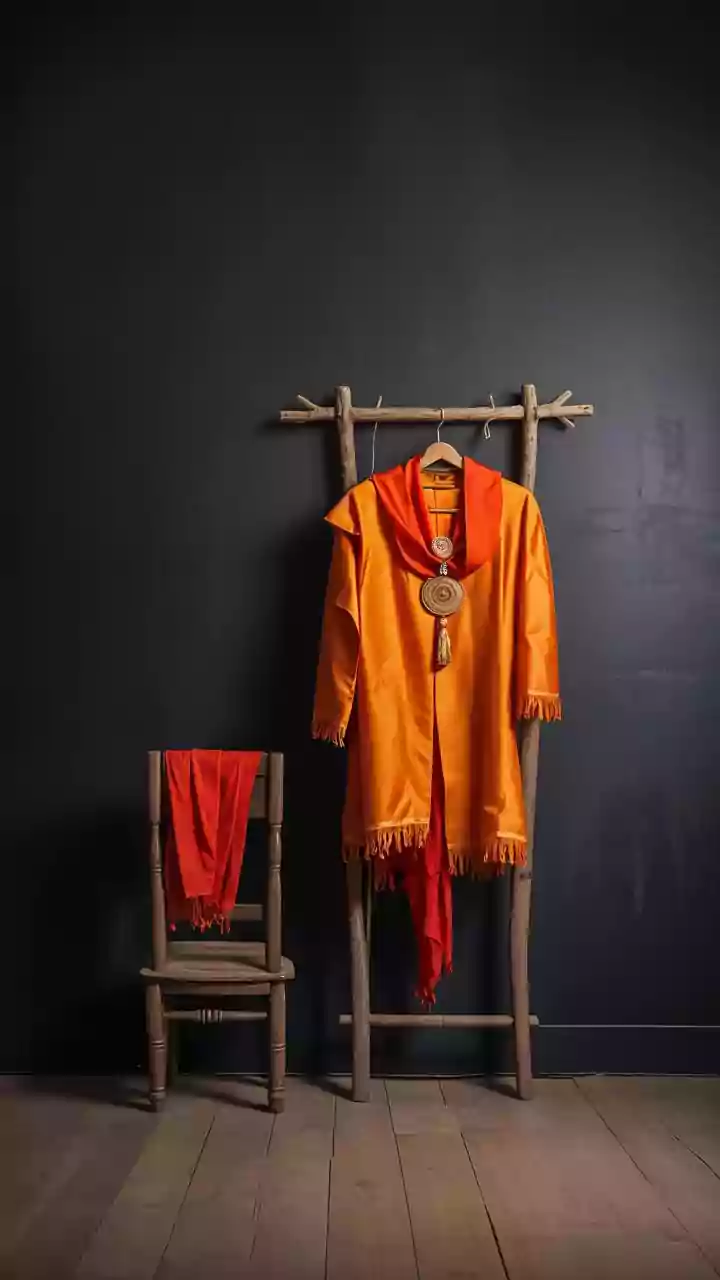

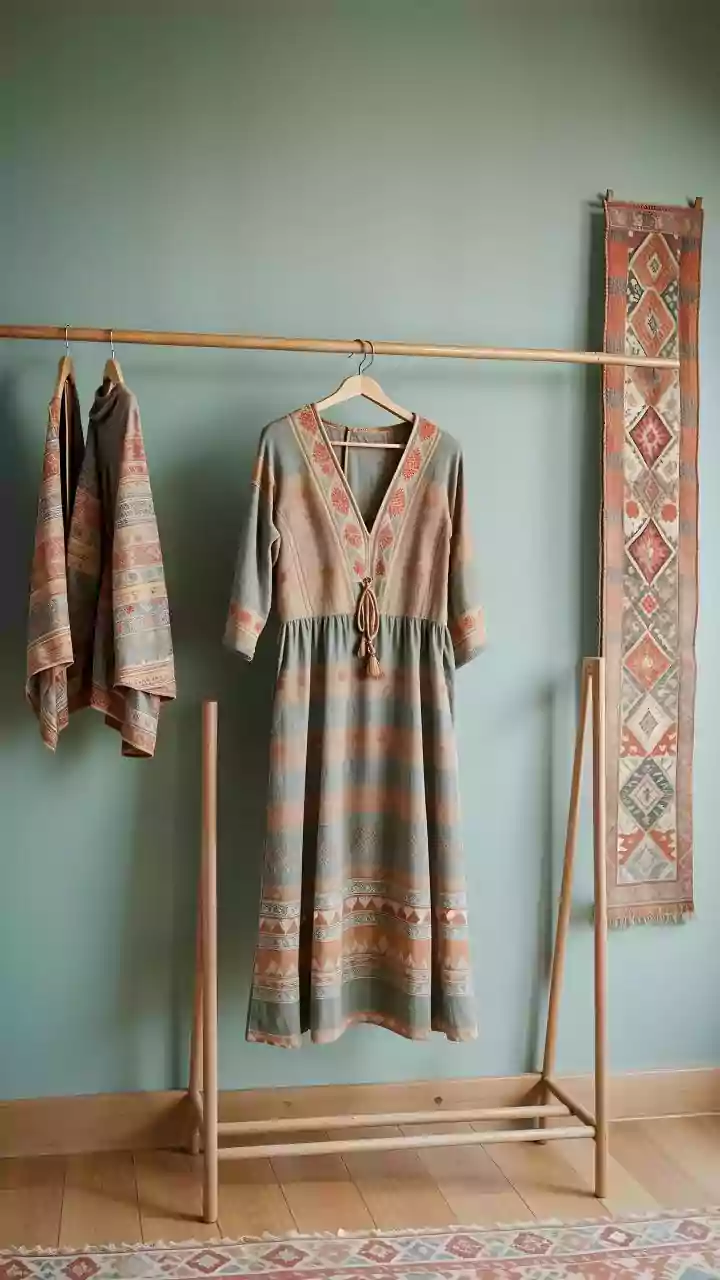
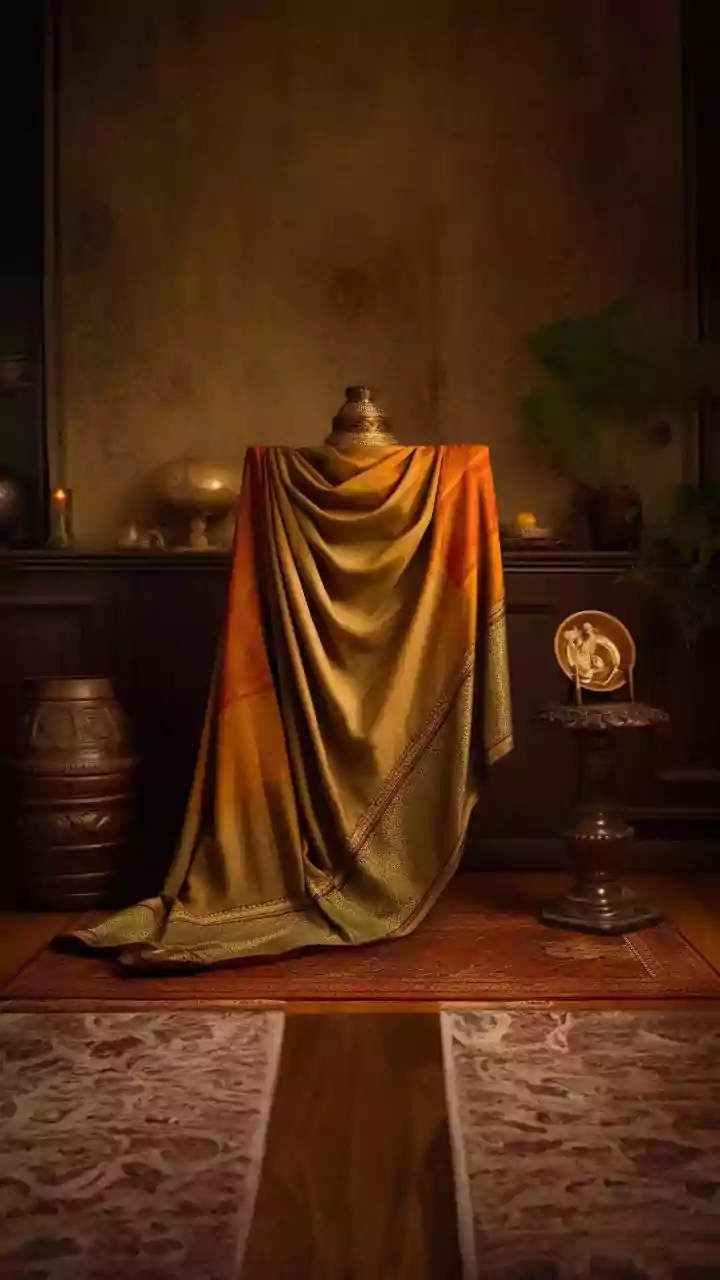



A Global Stage for Indian Heritage
New Zealand Fashion Week (NZFW) 2026 hosted the 'Khadi Beyond Borders' showcase, an initiative born from a partnership between the Fashion Design Council of India (FDCI) and NZFW. This collaboration, aimed at fostering creative exchange, brought some
of India's most innovative designers to Auckland. The runway featured collections from Rajesh Pratap Singh, Samant Chauhan, Shruti Sancheti, and Pawan Sachdeva, each presenting their unique interpretation of Khadi. The event was more than just a fashion show; it was a diplomatic and cultural moment, highlighting the fabric's journey from a symbol of India's freedom struggle to a luxurious, sustainable material fit for the world's runways.
The Fabric of Freedom Reimagined
To understand the significance of this moment, one must appreciate Khadi's history. It is a fabric intrinsically woven into the fabric of India's identity. Popularised by Mahatma Gandhi, the act of spinning and wearing Khadi was a powerful symbol of self-reliance and resistance during the independence movement. It represented a move away from foreign-made textiles, empowering local artisans and fostering economic independence. Today, that spirit of self-sufficiency has evolved. Khadi is now celebrated for its eco-friendly credentials—hand-spun and hand-woven, it has a minimal carbon footprint and is biodegradable. Its appearance at NZFW signifies a new chapter, where its historical soul and sustainable nature are its greatest assets in the world of contemporary fashion.
Contemporary Silhouettes, Timeless Texture
The challenge for designers is how to style a traditional fabric for a modern, international audience without losing its essence. The collections at NZFW provided a masterclass in this balancing act. The designers showcased Khadi in a range of silhouettes, moving beyond traditional attire to include sharp tailoring, elegant dresses, and versatile separates. This evolution is crucial for Khadi's global appeal, demonstrating its versatility. The unique, slightly coarse texture of the hand-woven fabric, once seen as simple, is now appreciated for its authenticity and character in a world of mass-produced textiles. By applying modern design principles to a heritage craft, the designers proved that Khadi is not just a relic of the past, but a forward-looking choice for conscious consumers.
Sustainability Meets Style
The 'Khadi Beyond Borders' event aligns perfectly with a growing global movement towards sustainable and ethical fashion. NZFW itself has increasingly focused on sustainability, providing a receptive platform for a fabric like Khadi. As the fashion industry grapples with its environmental impact, Khadi offers a compelling alternative. Its production supports rural artisans and preserves traditional craftsmanship, directly contributing to community empowerment. For a global audience increasingly concerned with the origins of their clothes, Khadi's story of ethical production and minimal environmental impact is as appealing as its aesthetic. This showcase was a powerful statement that style and sustainability are not mutually exclusive but can be beautifully intertwined.
The Road Ahead for Khadi
Khadi's journey to New Zealand is part of a broader trend of the fabric gaining international recognition. It has been featured on runways in Paris, London, and New York, with global brands drawn to its unique story and sustainable qualities. This growing demand helps sustain the livelihoods of countless weavers and artisans in India. The collaboration between FDCI and NZFW, marked by a formal Memorandum of Understanding, suggests that such showcases will continue, further strengthening Khadi's position on the global fashion map. It demonstrates that traditional textiles can find new, vibrant life when presented with creativity and respect, appealing to a new generation of consumers worldwide who value both heritage and innovation.