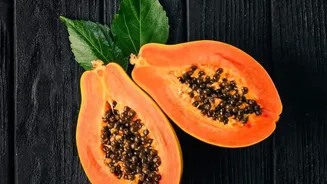








The Nutritional Power of Papaya
First, let's acknowledge why papaya is a year-round favourite for many. This tropical fruit is a nutritional powerhouse. It is exceptionally rich in Vitamin C, a vital antioxidant that supports a healthy immune system—something especially important during
a season known for infections. Papaya also provides a healthy dose of Vitamin A, which is crucial for vision and skin health. Furthermore, it is loaded with fibre and has a high water content, both of which aid digestion and can help prevent constipation, a common concern for some. The fruit is also a source of other important nutrients like potassium, magnesium, and various B vitamins. Perhaps its most famous component is papain, a digestive enzyme that helps break down proteins, making it easier for your body to absorb nutrients.
The Monsoon Challenge: Why Caution is Advised
If papaya is so healthy, why the seasonal hesitation? The problem isn't the fruit itself, but the environment the monsoon creates. The high humidity and moisture provide a perfect breeding ground for bacteria, fungi, and other microbes. This significantly increases the risk of food contamination. Fruits and vegetables can be contaminated by dirty water used for irrigation or washing, especially produce sold at open-air markets. Pre-cut fruits are particularly risky, as their exposed, sugary surfaces become a magnet for airborne germs which multiply rapidly in the damp air. An overripe or bruised papaya is more susceptible to spoilage and can harbour microbes that may lead to digestive upset.
An Ayurvedic Perspective
Traditional wellness systems like Ayurveda offer another layer to the discussion. Ayurveda classifies foods based on their inherent properties, and papaya is considered 'Ushna,' or heating, in nature. While this property can be beneficial for stimulating a sluggish digestive fire ('Agni'), some practitioners advise moderation during the monsoon, a season where digestion is naturally considered weaker and the body is trying to balance different elemental influences. However, many Ayurvedic guides do include papaya in a healthy monsoon diet, praising its easy digestibility and ability to balance certain doshas. The consensus is that it can be beneficial, but should be eaten fresh and in moderation.
Your Guide to Eating Papaya Safely
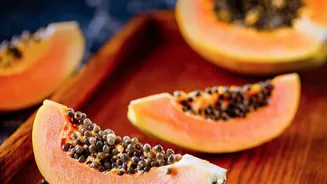
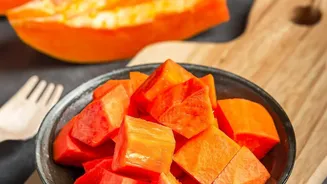
The good news is that you don't have to give up papaya. By taking a few sensible precautions, you can safely enjoy its benefits. The key is scrupulous hygiene. Start by selecting a fruit that is firm, has its skin intact, and is free from mushy spots or bruises. It is crucial to wash the whole fruit thoroughly under clean, running water before you even think about cutting it. You can even soak it for a few minutes in a solution of water with a bit of salt or vinegar for extra cleaning. Always use a clean knife and cutting board to avoid cross-contamination. The golden rule is to cut the fruit right before you plan to eat it. Avoid consuming fruits that have been cut and left exposed, especially from street vendors. Once cut, store any leftovers immediately in an airtight container in the refrigerator.