




The Chickpea Question: To Peel or Not to Peel?
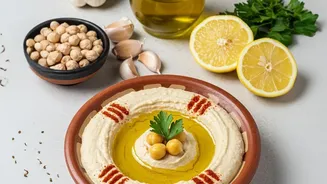
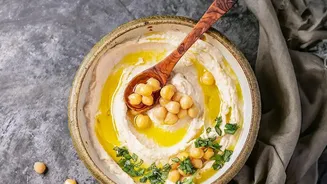
The very foundation of hummus is the chickpea, or garbanzo bean. But not all chickpeas are created equal when it comes to a silky-smooth dip. While canned chickpeas are convenient, many culinary experts agree that starting with dried chickpeas yields
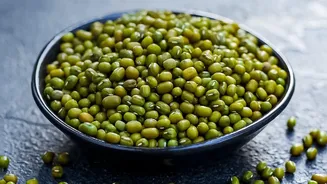
a superior flavour and texture. Dried chickpeas, when cooked from scratch until they are exceptionally soft, break down more completely into a smoother purée. Many recipes suggest adding a bit of baking soda to the cooking water, which helps soften the chickpeas' skins. This leads to the next big debate: peeling. Removing the skins from each chickpea, while tedious, is a surefire way to eliminate any graininess, resulting in an ultra-creamy final product. If you're short on time, even boiling canned chickpeas for about 20 minutes can help soften them significantly and improve the final texture.
The Power of Tahini
Hummus without tahini is simply a chickpea mash. This paste of ground sesame seeds is the soul of the dish, providing a rich, nutty flavour and an incredibly creamy texture. The amount and quality of your tahini make a world of difference. Restaurant recipes often use a more generous amount of tahini than typical homemade versions, which contributes to the dip's luxurious body and depth. High-quality tahini, made from hulled sesame seeds, will taste nutty and rich, not bitter. It balances the earthy flavour of the chickpeas and gives the hummus its satisfying, well-rounded character. Some chefs recommend whipping the tahini with lemon juice and water before adding the chickpeas, which helps create an even lighter, almost fluffy consistency.
The Essential Zing of Lemon
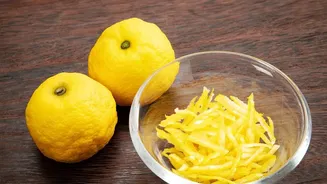
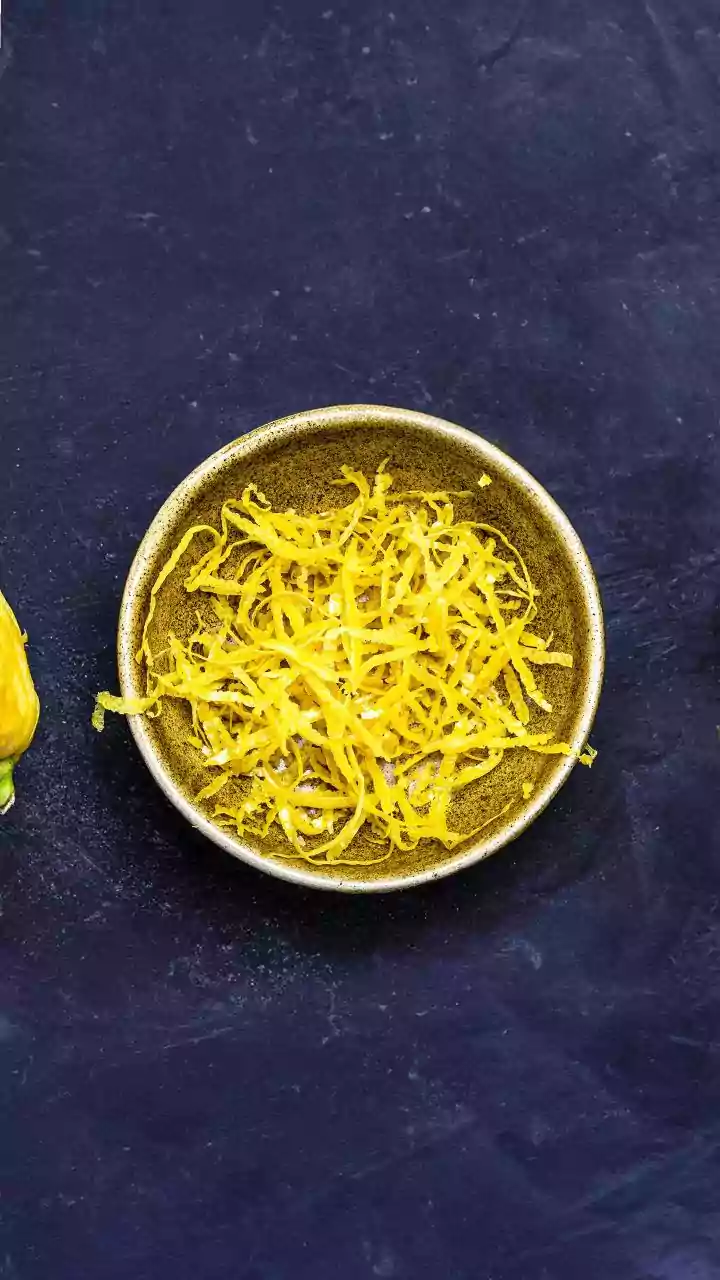
If tahini is the soul of hummus, fresh lemon juice is its heart. The acidity from the lemon is crucial for cutting through the richness of the tahini and the starchiness of the chickpeas. It brightens all the other flavours, adding a necessary 'pop' that prevents the dip from tasting flat or heavy. Using freshly squeezed lemon juice is non-negotiable; the bottled variety simply doesn't have the same vibrant, complex flavour. Many restaurant-style recipes call for a significant amount of lemon juice. While it might seem like a lot, it’s this generous hand that balances the dip perfectly. The lemon juice also acts as a natural preservative, helping your homemade hummus stay fresh in the refrigerator for longer.
Technique Makes Perfect
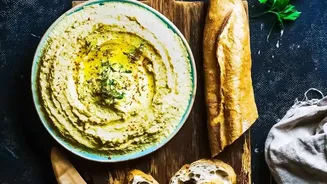
Beyond the core ingredients, a few simple techniques can elevate your hummus. A powerful food processor or blender is a great asset for achieving a super-smooth texture. Another widely shared secret is the use of ice-cold water. Streaming in a few tablespoons of ice water while the processor is running helps to create a creamier, lighter, and almost whipped consistency. The order of operations also matters. Processing the tahini and lemon juice first before adding the chickpeas creates a better emulsion. Finally, don't be shy with the blending time. Letting the machine run for several minutes, scraping down the sides as you go, ensures every last bit is perfectly smooth.