


The Undisputed Classic
To understand the debate, one must first appreciate the original. Pav bhaji is more than just a dish; it's a piece of Mumbai's history. Born in the 1850s as a quick, hearty meal for textile mill workers on short breaks, it was the city's original fast
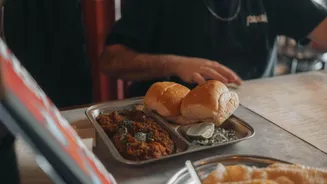
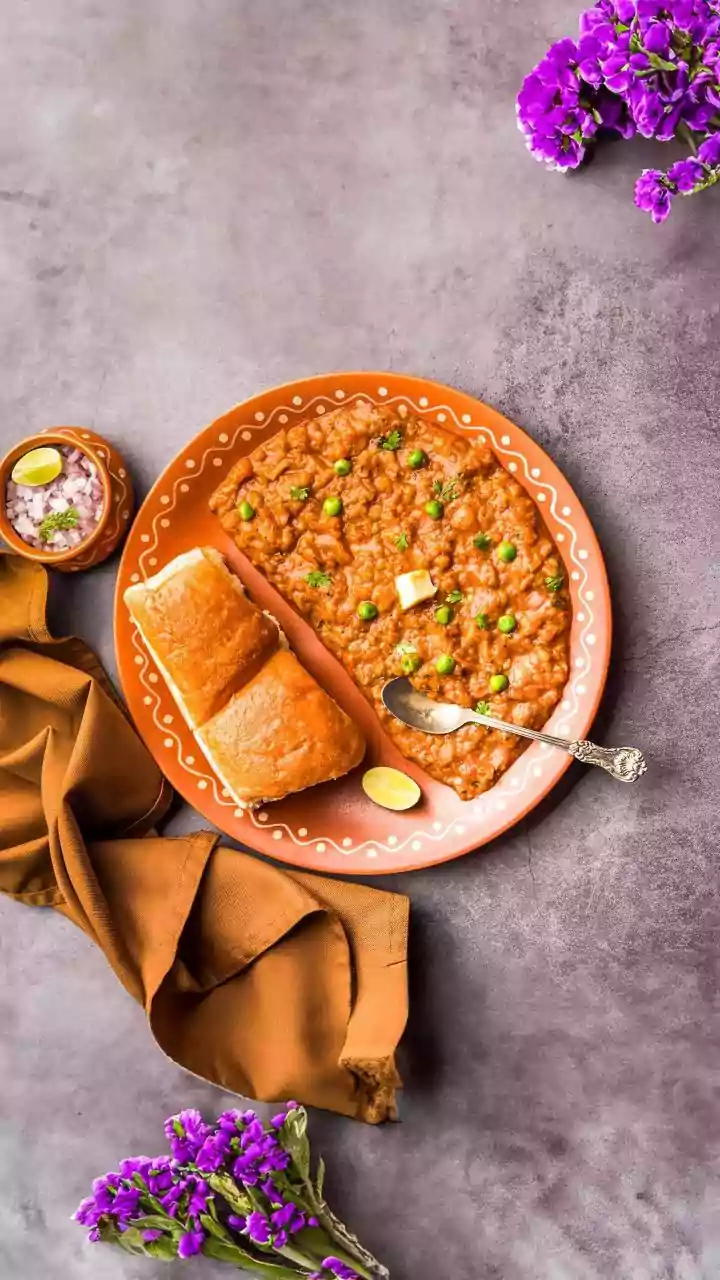
food. The formula is iconic: a flavourful mash of vegetables (the bhaji), spiced to perfection and cooked on a large flat griddle (tawa), served with soft, pillowy bread rolls (the pav). The pav, a legacy of Portuguese influence, is traditionally lightly toasted on the same tawa, soaking up traces of the bhaji and a modest amount of butter, creating a perfect vehicle for the spicy curry. Garnished with chopped onions, a squeeze of lime, and fresh coriander, it's a complete sensory experience that has fed millions across the city, from Girgaon Chowpatty to neighbourhood stalls.
Enter the Butter-Soaked Pav
The new angle mentioned in the headline isn't a change to the bhaji, but to its humble companion. Across the city, a new trend has taken hold: the extra-buttered, or 'deep-fried', pav. Instead of a light toasting, vendors now drown the pav in ladles of butter, pressing it onto the hot tawa until it becomes golden, crispy, and almost crunchy. Some stalls even add a sprinkle of pav bhaji masala or garlic to the molten butter, infusing the bread itself with flavour. This isn't just about adding richness; it’s a fundamental change to the texture and experience of the dish. The once-soft roll that was perfect for soaking up the bhaji now offers a crisp, indulgent counterpoint. Stalls promoting their use of immense quantities of butter have gained notoriety, turning the humble dish into a spectacle of excess.
A Delicious Divide: Purists vs. Innovators
This buttery evolution has split opinion among pav bhaji lovers. For purists, the classic preparation is a matter of balance. They argue that the soft, lightly buttered pav is essential for its role as a sponge, designed to soak up the bhaji's complex flavours without competing. To them, frying the pav in excessive butter makes it greasy, overpowering the delicate spice blend of the vegetables and creating a dish that is heavy rather than satisfying. They see it as a corruption of a working-class meal, turning it into an over-the-top, Instagram-friendly gimmick that misses the point of the original's simple genius. On the other side are the innovators and a new generation of foodies who embrace the change. They champion the textural contrast the crispy pav provides. For them, the extra butter and crunch elevate the dish, adding a new layer of indulgence. It's not seen as a betrayal of tradition, but as a natural evolution, much like the rise of cheese pav bhaji, paneer pav bhaji, or even Jain-friendly versions. This camp believes that street food is, by its nature, dynamic and should adapt to changing tastes.
What the Trend Says About Mumbai's Food Culture
The buttered pav phenomenon is more than just a culinary tweak; it’s a reflection of broader trends in Indian food culture. Mumbai’s food scene has always been a melting pot, built on waves of migration and adaptation. Dishes have constantly evolved to suit local palates and practical needs. However, the modern street food revolution is also driven by social media, where visual appeal and extravagance often generate buzz. The sight of a pav sizzling in a pool of butter is undeniably shareable. This trend speaks to a desire for heightened sensory experiences, where more is more—more butter, more crunch, more flavour. It raises a fascinating question about what defines authenticity. Is it sticking to the original recipe, or is it the spirit of innovation that created pav bhaji in the first place? The dish was, after all, an invention born of necessity, combining vegetables and Portuguese bread in a new way.